What Is a Panic Attack?

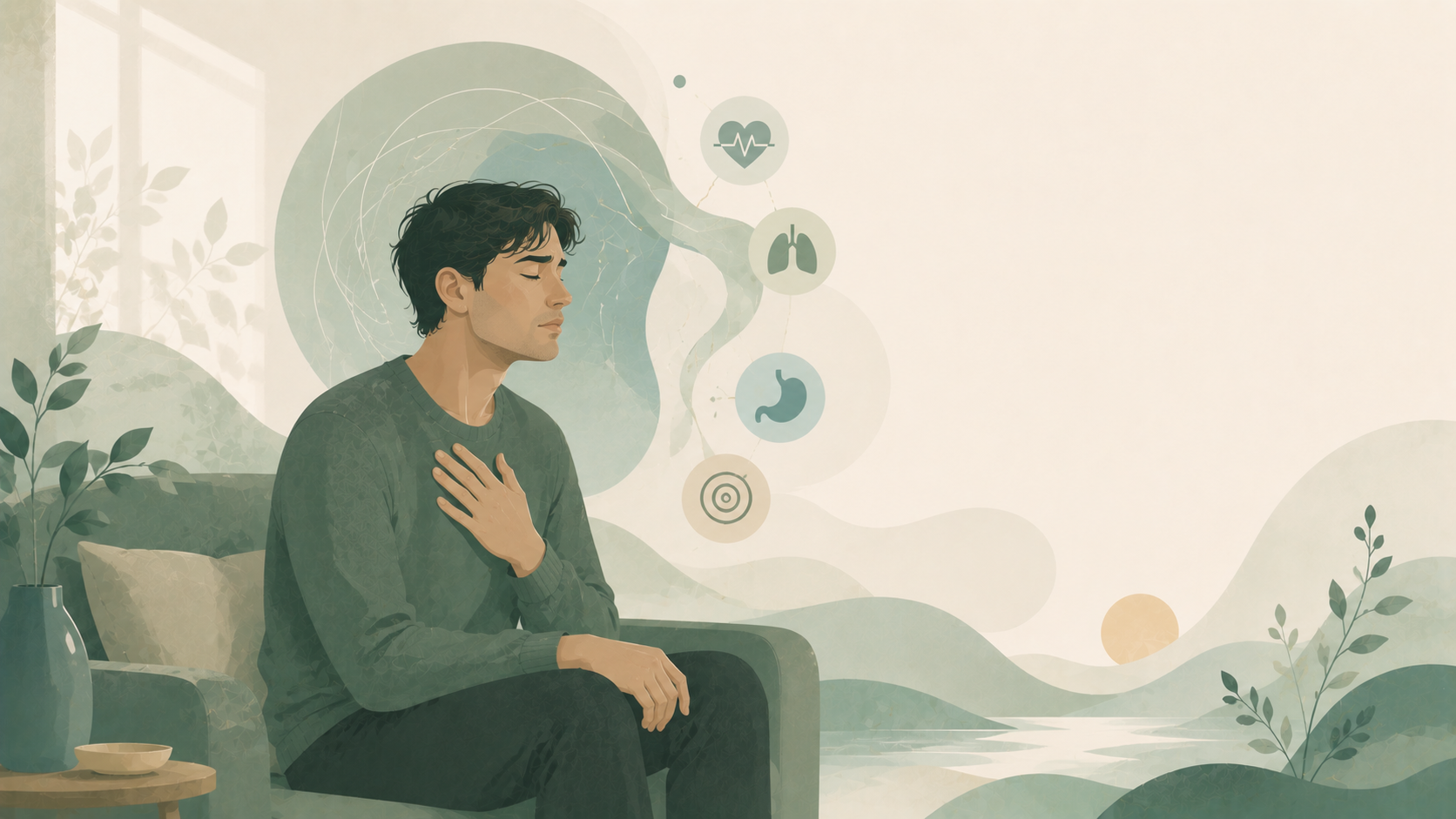
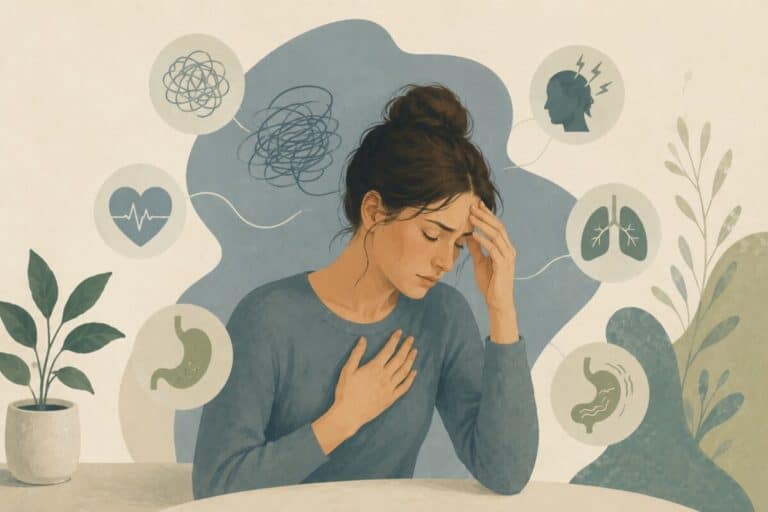
One moment you may be doing something completely ordinary. The next, it feels as if something is seriously wrong. Your heart starts racing. Breathing feels different. You may feel dizzy, shaky, hot, cold, detached from reality, or convinced that something terrible is about to happen.
For many people, a panic attack feels so physical and so intense that their first thought is not anxiety. It’s that they are having a medical emergency. I’ve had patients describe it to me almost apologetically, still half-convinced I’m going to tell them it was something more serious. That fear of a hidden medical problem is closely related to what we cover in What Is Health Anxiety?
Medical Disclaimer
This article is provided for general educational and informational purposes only and does not constitute medical advice, diagnosis, or treatment. While the content is written with input from a licensed healthcare professional, reading this article does not create a nurse-patient, provider-patient, or any other professional relationship between you and the author or Vida Atlas.
The information here is general in nature and is not a substitute for personalized medical advice from your own doctor or qualified healthcare provider, who can take your full medical history and individual circumstances into account. Always consult your doctor or another qualified healthcare provider with any questions you may have regarding a medical condition, and never disregard professional medical advice or delay seeking it because of something you read on this site.
If you think you may have a medical emergency, call your local emergency number or go to the nearest emergency room immediately. Do not rely on this article for urgent or emergency medical situations.
Vida Atlas and the author make no representations or warranties about the accuracy, completeness, or timeliness of the information provided, and disclaim liability for any actions taken or not taken based on the content of this article.
Quick Answer
A panic attack is a sudden surge of intense fear or panic that triggers powerful physical and emotional symptoms. Although panic attacks can feel dangerous, they are not usually dangerous themselves. The experience is very real, but the body’s alarm system is reacting as if there is an immediate threat, even when no actual danger is present.
What Does a Panic Attack Feel Like?
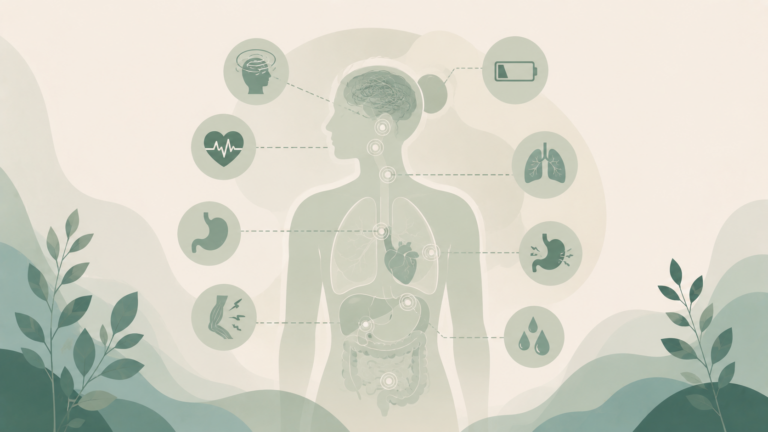
People describe panic attacks in many different ways, but certain patterns appear again and again. Common symptoms may include:
- A racing or pounding heart
- Chest tightness
- Shortness of breath
- Dizziness or lightheadedness
- Shaking or trembling
- Sweating
- Feeling hot or cold
- Nausea or stomach discomfort
- Tingling sensations
- Feeling detached from yourself or your surroundings
- Fear of losing control
- Fear of dying
What makes a panic attack different from ordinary anxiety is often the intensity. The symptoms can appear quickly and feel so convincing that many people seek urgent medical help, especially during their first attack. Most panic attacks peak within about ten minutes and then begin to ease, even though it can feel much longer while it’s happening.
Some people call a family member. Some go to the emergency department. Others leave the place where the attack started as quickly as possible. In that moment, the brain is trying to find safety.
Why Does It Happen?
It’s connected to the body’s fight-or-flight response. This system is designed to protect us from danger. It increases heart rate, changes breathing, and prepares the body to react quickly. During a panic attack, that alarm system becomes activated even though there may be no immediate threat.
For some people, panic attacks happen during stressful periods. For others, they seem to appear unexpectedly, sometimes even during sleep or while relaxing on the couch. The exact cause can be different from person to person.
Can Panic Attacks Become a Pattern?
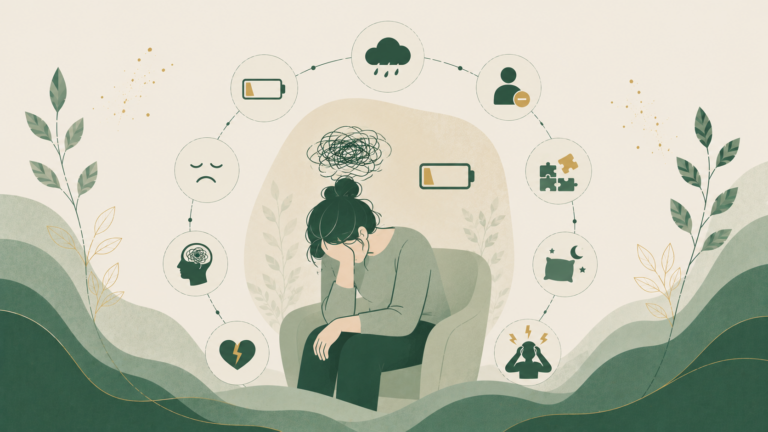
For many people, the hardest part isn’t the first panic attack but what happens afterward. Once you’ve experienced one, it’s natural to worry about it happening again. You may become more aware of normal body sensations or pay closer attention to places where previous attacks occurred.
Over time, some people begin avoiding situations linked to previous attacks, such as shopping centers, public transport, restaurants, or meetings. The problem is that avoidance can gradually make life smaller and reinforce the belief that those places are dangerous.
What May Help?
Understanding what a panic attack is can be an important first step. Learning about panic attacks, working with a therapist, practicing breathing and relaxation techniques, improving sleep, and reducing overall stress can all help. For some people, medication may also be part of treatment.
Recovery is not usually about forcing yourself to stop feeling fear, but teaching your nervous system that the situations and sensations it has learned to fear are not actually dangerous. Slow, deliberate breathing, especially making the exhale longer than the inhale, can also help calm the body during an attack.
When to Seek Support
If panic attacks keep happening, fear of another attack affects your decisions, or you start avoiding parts of life because of them, it may be worth seeking professional support. If symptoms are new, severe, unusual, or you’re unsure what’s causing them, seeking medical advice is a reasonable step.
Conclusion
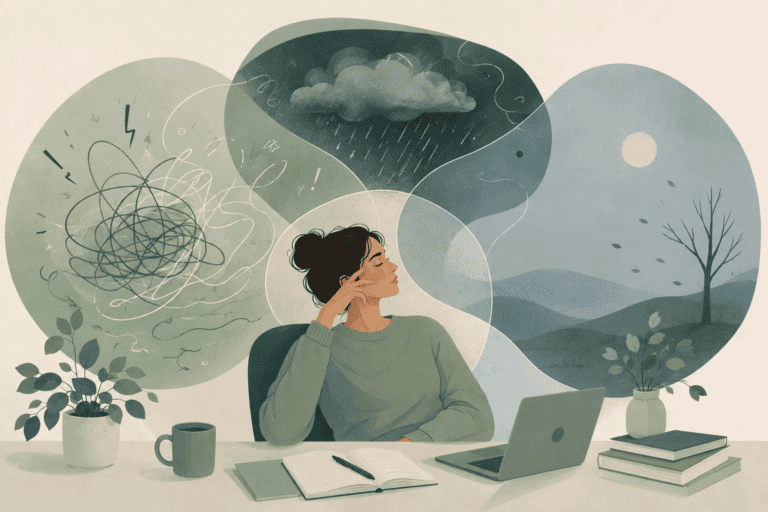
Panic attacks often teach people to avoid places, situations, or sensations that feel dangerous, and unfortunately, avoidance can strengthen the fear over time. In my experience, recovery often involves gradually returning to the situations that have become frightening and allowing the nervous system to learn that they are not actually dangerous.
This process is rarely easy, but it is often an important part of overcoming panic attacks. If you’re also trying to sort panic attacks from anxiety, burnout, or other conditions, my comparison guide can help.