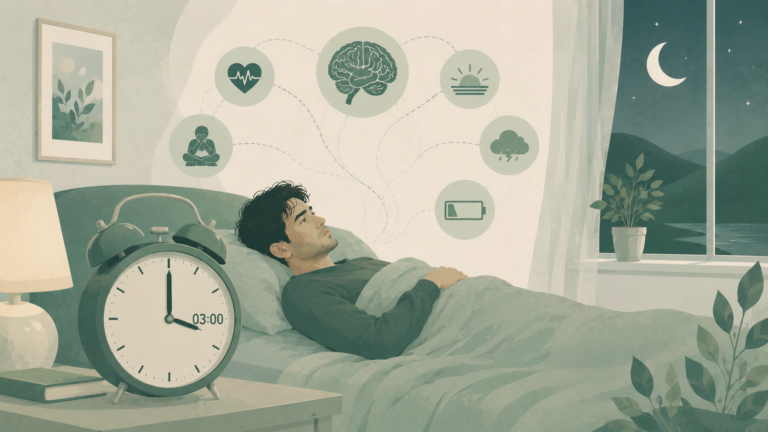
What Is ADHD in Adults?


Have you ever felt like life seems easier for everyone else? You forget things, lose track of time, start projects but struggle to finish them, and constantly feel like you’re trying to catch up. You know what needs to be done, but getting started or staying focused can feel much harder than it should.
For some people, those struggles may be related to ADHD. It’s a question I get asked a lot, usually by someone who’s already spent years quietly assuming they were just disorganized.
Medical Disclaimer
This article is provided for general educational and informational purposes only and does not constitute medical advice, diagnosis, or treatment. While the content is written with input from a licensed healthcare professional, reading this article does not create a nurse-patient, provider-patient, or any other professional relationship between you and the author or Vida Atlas.
The information here is general in nature and is not a substitute for personalized medical advice from your own doctor or qualified healthcare provider, who can take your full medical history and individual circumstances into account. Always consult your doctor or another qualified healthcare provider with any questions you may have regarding a medical condition, and never disregard professional medical advice or delay seeking it because of something you read on this site.
If you think you may have a medical emergency, call your local emergency number or go to the nearest emergency room immediately. Do not rely on this article for urgent or emergency medical situations.
Vida Atlas and the author make no representations or warranties about the accuracy, completeness, or timeliness of the information provided, and disclaim liability for any actions taken or not taken based on the content of this article.
Quick Answer
ADHD (attention-deficit/hyperactivity disorder) is a condition that affects attention, focus, organization, planning, memory, and impulse control. Although many people think of ADHD as something that only affects children, it can continue into adulthood. Some people are not diagnosed until their 20s, 30s, 40s, or even later.
What ADHD in Adults Can Feel Like
ADHD is not simply about being distracted. People with ADHD may:
- Forget appointments or deadlines
- Lose track of time
- Misplace everyday items
- Start tasks but struggle to finish them
- Put things off until the last minute
- Feel overwhelmed by planning and organization
- Interrupt conversations without meaning to
- Feel restless or mentally “busy”
At the same time, many people with ADHD can focus extremely well on things they genuinely enjoy or find interesting. This is often called hyperfocus, and it’s part of why ADHD can be confusing to people around them, since the same person who struggles to start a boring task can lose track of hours on one that captures their interest.
Why ADHD Can Be Hard to Recognize
Many adults spend years believing they are lazy, careless, or simply bad at managing life. In reality, they may be working much harder than others just to stay organized. Lists, reminders, alarms, calendars, and last-minute pressure can become coping tools without them realizing why they need them.
ADHD may go unnoticed until work, family responsibilities, or daily demands become harder to manage. This is especially common in women, whose symptoms may be less obvious from the outside. I’ve met women in their forties who only started asking these questions after watching their own child get diagnosed.
ADHD Is More Than a Social Media Trend
ADHD has received a lot of attention in recent years. As a result, many people begin wondering whether ADHD might explain their struggles. Sometimes they are right. Sometimes the symptoms may be related to stress, burnout, anxiety, poor sleep, depression, or other factors.
ADHD is not diagnosed based on a single symptom, online quiz, or social media post. A proper assessment usually involves looking at symptoms over time, how they affect daily life, and whether they have been present since childhood. If you’re trying to sort ADHD from anxiety, burnout, or other overlapping conditions, my comparison guide can help.
What May Help
Understanding how your brain works can be an important first step. Some people benefit from practical strategies such as routines, reminders, calendars, breaking tasks into smaller steps, and creating systems that make everyday life easier. Others find therapy or coaching helpful.
For some people, medication can make a significant difference. When ADHD is accurately diagnosed and the right treatment is found, the improvement in daily life can be remarkable. Tasks may feel more manageable, concentration may improve, and goals that once felt out of reach can become achievable.
The right treatment is not about changing who someone is. It is about helping them work with their brain more effectively.
When It Becomes More Than Forgetfulness
Everyone gets distracted, forgets things, or procrastinates from time to time. ADHD becomes more than occasional forgetfulness when these difficulties are present for years and repeatedly affect work, studies, finances, relationships, or everyday responsibilities.
Conclusion
Living with undiagnosed ADHD can be frustrating because many people spend years blaming themselves for challenges they do not fully understand. At the same time, not every concentration problem or organizational difficulty means someone has ADHD. That is why proper assessment matters.
In my experience, for people who do have ADHD, understanding what is happening can be the first step toward finding strategies, support, and treatments that genuinely improve quality of life.