Anxiety or Stress?

Your mind feels busy. You’re tired, tense, and finding it harder to relax. Maybe you’re worrying about an upcoming exam, a job interview, your child’s competition, a health issue, or a difficult conversation. Or maybe you’ve been carrying responsibilities for so long that you can’t remember the last time you truly switched off.
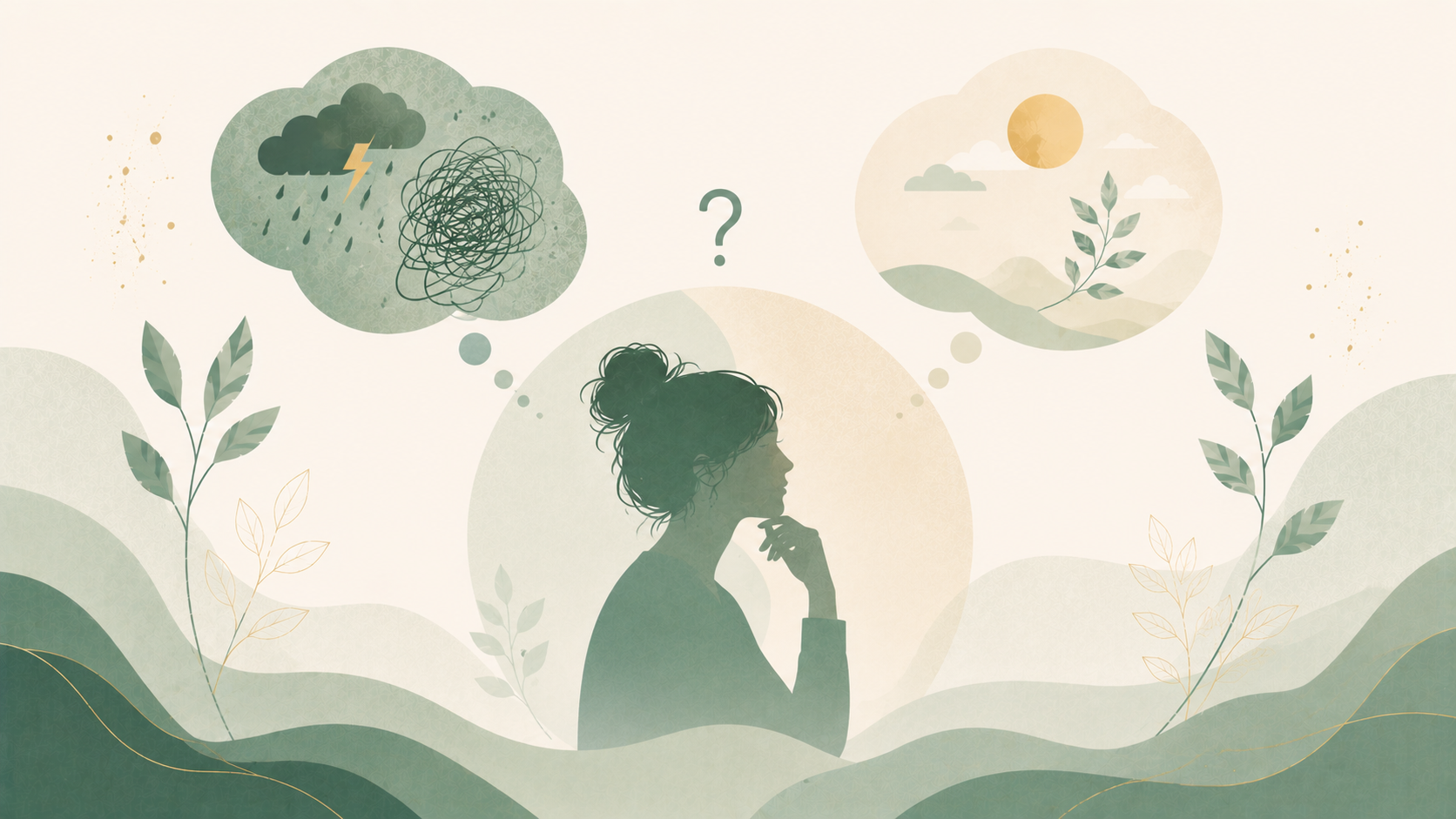
At some point, many people start wondering: “Is this stress, or is it anxiety?” The two often overlap, but they aren’t exactly the same thing. It’s a distinction I find myself walking through with patients almost weekly, because the right next step really does depend on which one it is.
Medical Disclaimer
This article is provided for general educational and informational purposes only and does not constitute medical advice, diagnosis, or treatment. While the content is written with input from a licensed healthcare professional, reading this article does not create a nurse-patient, provider-patient, or any other professional relationship between you and the author or Vida Atlas.
The information here is general in nature and is not a substitute for personalized medical advice from your own doctor or qualified healthcare provider, who can take your full medical history and individual circumstances into account. Always consult your doctor or another qualified healthcare provider with any questions you may have regarding a medical condition, and never disregard professional medical advice or delay seeking it because of something you read on this site.
If you think you may have a medical emergency, call your local emergency number or go to the nearest emergency room immediately. Do not rely on this article for urgent or emergency medical situations.
Vida Atlas and the author make no representations or warranties about the accuracy, completeness, or timeliness of the information provided, and disclaim liability for any actions taken or not taken based on the content of this article.
Quick Answer
Anxiety is usually connected to a specific situation that feels important, uncertain, or emotionally significant. Stress is often a longer period of living at or beyond your capacity.
While anxiety may come and go as situations change, stress tends to build over time when demands remain high and recovery remains low. For this article, we’re talking about everyday anxiety, not an anxiety disorder or a mental health diagnosis.
Why They Feel So Similar
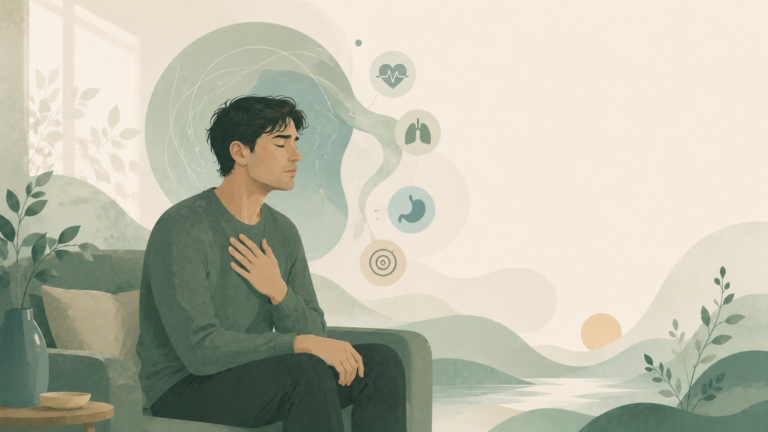
Stress and anxiety can create many of the same symptoms. You may notice:
- Muscle tension
- Poor sleep
- Racing thoughts
- Irritability
- Difficulty concentrating
- Fatigue
- Digestive issues
- Feeling restless or on edge
That’s one reason people often confuse the two. From the inside, they can feel very similar.
What Anxiety Usually Feels Like
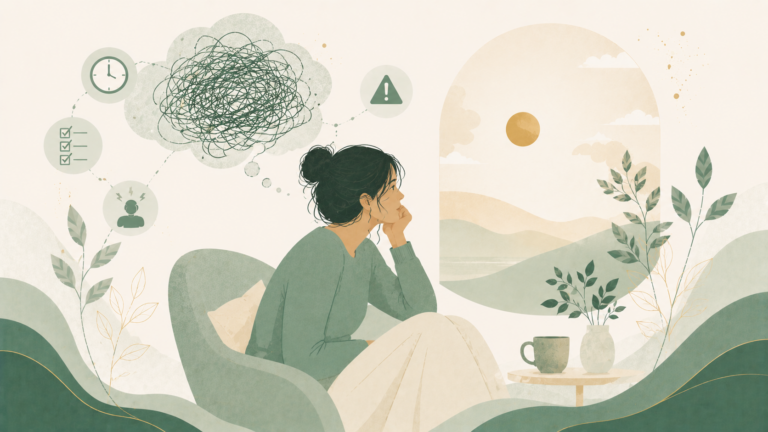
Anxiety often appears when something important is happening or about to happen, such as waiting for test results, preparing for an interview, worrying about a loved one, facing a big decision, or dealing with uncertainty about the future.
The mind becomes focused on the situation and its possible outcomes. Questions such as “What if it goes badly?” or “What if something happens?” are common. The good news is that situational anxiety often improves when the situation is resolved or when you gain more certainty about what will happen next.
What Stress Usually Feels Like
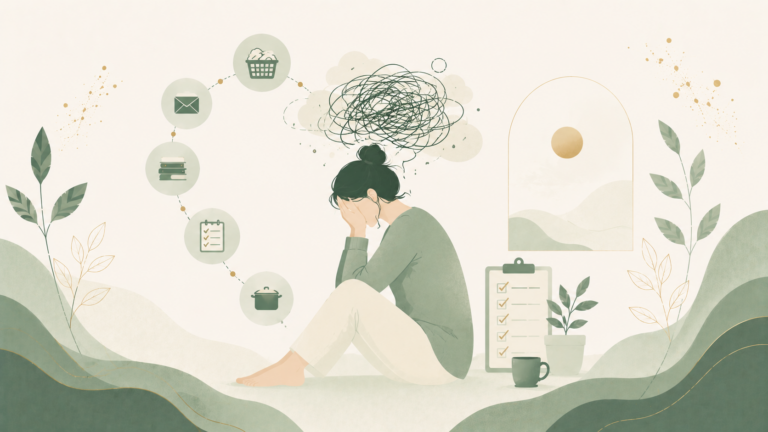
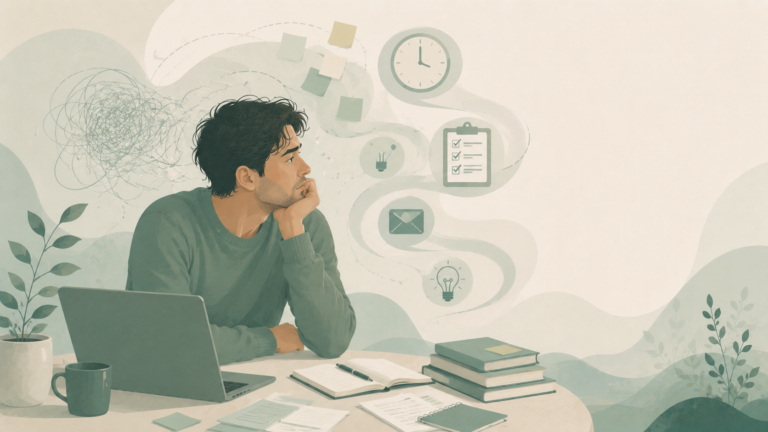
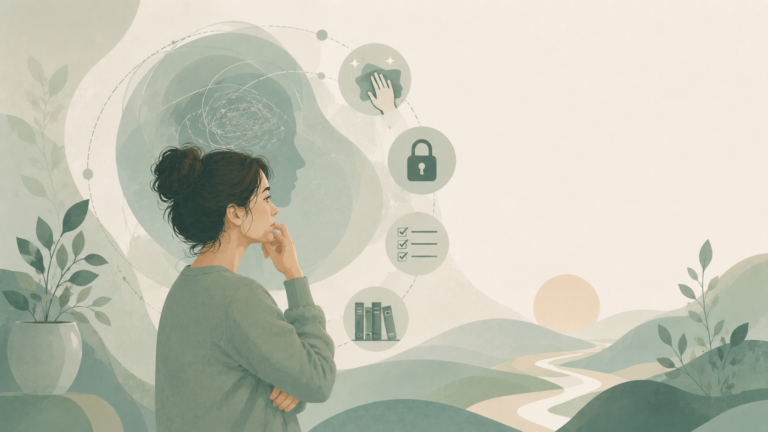
Stress is often less about one event and more about the overall load you’re carrying, including work demands, caregiving responsibilities, financial pressure, family challenges, health concerns, major life changes, or simply trying to keep up with everything.
Under stress, it’s common to keep functioning for a long time. The problem is that you continue spending energy without giving yourself enough opportunity to recover. Over time, even small problems can start feeling bigger because the system is already overloaded.
What May Help and Why
If anxiety is tied to a specific situation, it may help to focus on what you can realistically control and what you cannot. Talking to someone, exercising, journaling, meditation, breathing exercises, or simply allowing the situation to unfold can sometimes reduce the intensity of the worry.
Stress often requires a different approach. The solution is not always becoming more productive or managing time better. Sometimes the real answer is rest, recovery, delegation, stronger boundaries, or reducing the number of demands you’re trying to meet at once.
Taking a genuine break often makes people more effective afterward, even though it can feel counterintuitive. Constantly pushing through stress rarely works forever. Sleep, nutrition, physical activity, and addressing possible health issues or nutrient deficiencies may also support overall wellbeing during stressful periods.
When to Reach Out for Support
If anxiety or stress starts affecting your sleep, relationships, physical health, work performance, or quality of life, it may be worth seeking support. A healthcare professional, therapist, psychologist, or counselor can help you better understand what’s contributing to the symptoms and what steps may help.
It’s also important to remember that not every symptom is caused by stress or anxiety. If something doesn’t feel right, getting a medical evaluation is a reasonable step. If worry about symptoms themselves becomes the main problem, that may point to health anxiety rather than everyday stress.
Conclusion
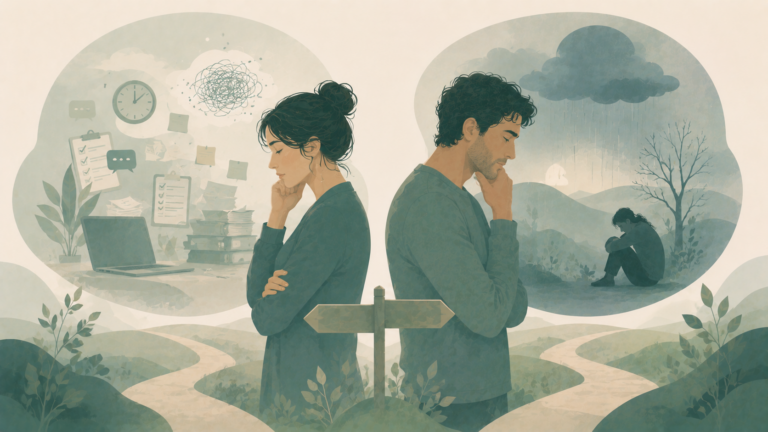
A simple way to think about the difference is this: anxiety is often a response to a specific situation you’re worried about, while stress is often the result of carrying too much for too long.
Both are part of being human. In my experience, the key is recognizing when your mind and body are asking for support, recovery, or a different way forward. If several of these conditions sound familiar at once, my guide on telling anxiety, burnout, depression, OCD, ADHD, and panic attacks apart can help you sort out what you’re experiencing.