Why Can’t I Relax Even When Everything Is Fine?

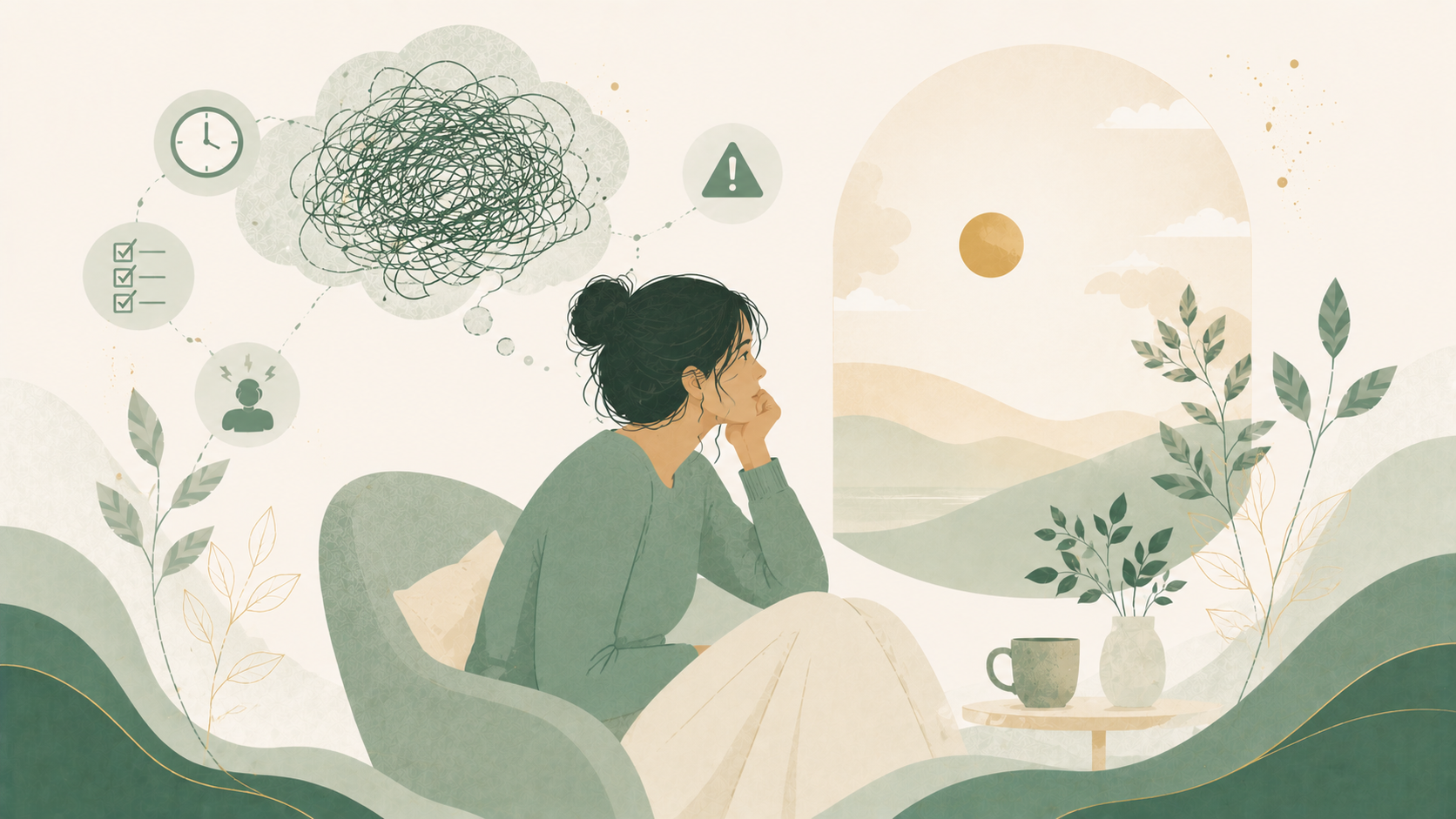
Life is finally calmer. The deadline passed. The problem got solved. The kids are okay. Work is manageable. Nothing terrible is happening.
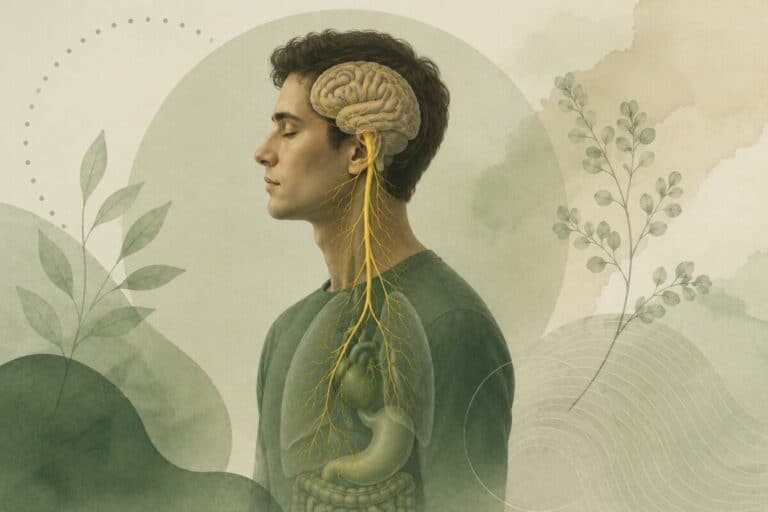
Yet instead of feeling relaxed, you still feel tense. Your mind keeps scanning for problems, and your body feels like it’s waiting for something. You tell yourself everything is fine, but it doesn’t quite feel that way. It’s one of the more confusing things I explain to patients, because there’s often no problem left to point to, and that absence itself becomes unsettling.
Medical Disclaimer
This article is provided for general educational and informational purposes only and does not constitute medical advice, diagnosis, or treatment. While the content is written with input from a licensed healthcare professional, reading this article does not create a nurse-patient, provider-patient, or any other professional relationship between you and the author or Vida Atlas.
The information here is general in nature and is not a substitute for personalized medical advice from your own doctor or qualified healthcare provider, who can take your full medical history and individual circumstances into account. Always consult your doctor or another qualified healthcare provider with any questions you may have regarding a medical condition, and never disregard professional medical advice or delay seeking it because of something you read on this site.
If you think you may have a medical emergency, call your local emergency number or go to the nearest emergency room immediately. Do not rely on this article for urgent or emergency medical situations.
Vida Atlas and the author make no representations or warranties about the accuracy, completeness, or timeliness of the information provided, and disclaim liability for any actions taken or not taken based on the content of this article.
Quick Answer
Sometimes relaxation doesn’t return the moment a stressful period ends. The mind and body may need time to adjust. Habits, thought patterns, prolonged stress, unresolved emotions, or simply years of living in “go mode” can make it difficult to switch off, even when life is objectively okay.
Why This Can Happen
Most people expect relaxation to happen automatically. The stressful situation ends, life improves, and everything should go back to normal.
Unfortunately, that’s not always how humans work. Unlike animals, we don’t simply run from danger and move on. We remember, analyze, replay conversations, and prepare for future problems. Sometimes the stressful situation ends, but the mind and body continue acting as though they still need to stay alert.
Possible Reasons You Can’t Relax
There isn’t one explanation that fits everyone. Sometimes the answer is psychological, sometimes biological, and often it’s a combination of several factors.
Your Nervous System Is Still on High Alert
If you’ve spent months or years dealing with stress, uncertainty, health concerns, caregiving responsibilities, financial pressure, or major life changes, your system may stay in “survival mode” even after life becomes calmer.
The difficult part is that the body doesn’t always receive the memo that the danger has passed. Recovery often takes longer than people expect.
You’ve Forgotten What Relaxation Feels Like
Some people become so used to being productive, responsible, and busy that resting starts to feel uncomfortable. When slowing down feels unfamiliar, the brain may interpret stillness as something being wrong. As strange as it sounds, being busy can become more familiar than being calm.
Your Brain Keeps Looking for Problems
The human brain is designed to notice potential threats, so if you’ve spent a long time solving problems, managing crises, or carrying responsibility, your mind may continue searching for the next issue even when there isn’t an immediate problem to solve.
Old Patterns Learned Early in Life
Some psychologists believe that patterns of thinking and reacting can begin forming early in life. If you grew up needing to be responsible, careful, prepared, or aware of other people’s moods, relaxation may not feel natural even as an adult. Childhood doesn’t explain everything, but for some people, these early patterns can continue influencing how safe they feel years later.
There May Be Unresolved Emotions
Sometimes people move forward quickly without fully processing grief, disappointment, anger, fear, or difficult experiences. The mind may move on, but the body can continue carrying tension. In some cases, what feels like anxiety is actually an emotion that never had a chance to be fully acknowledged.
You May Be Ignoring Your Own Needs
In some holistic approaches, ongoing tension is sometimes viewed as a sign that a person has become disconnected from their own needs, values, or desires. Whether or not you agree with that perspective, it can still be a useful question to ask yourself: “Is there something in my life that I’ve been trying not to notice?”
Your Body Remembers
A deer escapes a predator and eventually returns to grazing. Humans are different. Even when the situation is over, we may continue replaying it, preparing for it, and expecting it to happen again. Sometimes the body remembers stress long after the danger has passed. For some people that shows up specifically at night. See why do I wake up at 3 AM every night?
What It Can Feel Like
People describe this experience in different ways. You may notice:
- Feeling unable to switch off
- Constant tension in the body
- Restlessness during quiet moments
- Feeling guilty when resting
- Looking for problems even when things are going well
- Difficulty enjoying free time
- Feeling like you should always be doing something
One of the strangest parts is that you may genuinely recognize that life is okay while still feeling uneasy.
What May Help
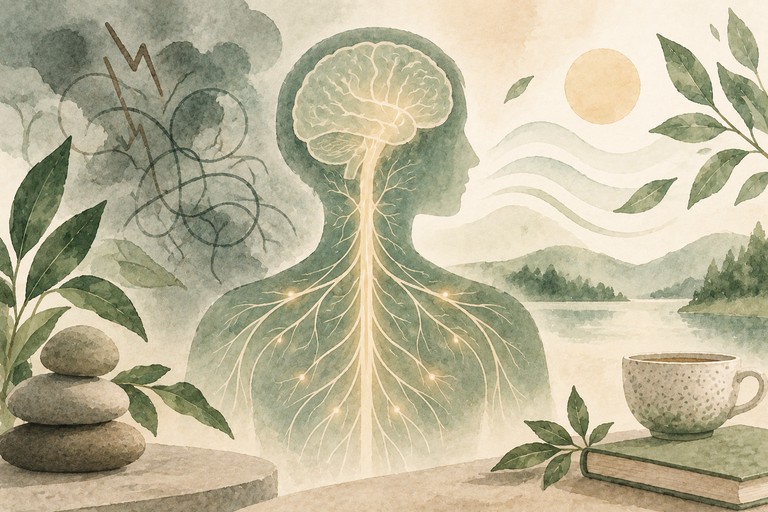
Different people find different paths back to themselves. For some, that path is therapy. For others, it’s meditation, journaling, faith, exercise, time in nature, meaningful conversations, medication, or making changes they’ve been avoiding for a long time. The method matters less than the direction.
It may also help to stop treating relaxation as another task that needs to be completed successfully. Sometimes the harder we try to force calmness, the more frustrated we become when it doesn’t happen.
The goal isn’t to become perfectly relaxed all the time. The goal is to feel safe enough in your own life that relaxation no longer feels unfamiliar. Finding that path often takes time, and most people try several approaches before discovering what truly helps them.
When to Reach Out for Support
If constant tension, worry, restlessness, poor sleep, or physical symptoms are affecting your quality of life, it may be worth seeking support.
A healthcare professional, therapist, psychologist, counselor, or other qualified practitioner may help you better understand what is keeping your system stuck in a state of alertness. Sometimes the answer is simpler than expected, and sometimes it takes longer to uncover.
Conclusion
Not being able to relax doesn’t necessarily mean something is wrong. In my experience, it often means your mind and body haven’t yet learned that the difficult chapter is over. Whether your path involves therapy, lifestyle changes, mindfulness, medication, or something else, the goal is often the same: feeling safe enough to stop fighting a battle that no longer exists. Understanding the mind-body connection can help explain why this takes time.