Nervous System Regulation: What It Actually Means

You feel wired for no clear reason, or completely drained after a day that wasn’t even that stressful. Someone tells you to “just relax,” but your body doesn’t seem to follow along. If any of this sounds familiar, you’ve probably come across the phrase nervous system regulation online.
The term is everywhere right now, especially in therapy and wellness content. There is real physiology behind how your body shifts between stress and recovery, but “nervous system dysregulation” isn’t a diagnosis on its own. Understanding what’s actually happening can make the advice around it much more useful.
Medical Disclaimer
This article is provided for general educational and informational purposes only and does not constitute medical advice, diagnosis, or treatment. While the content is written with input from a licensed healthcare professional, reading this article does not create a nurse-patient, provider-patient, or any other professional relationship between you and the author or Vida Atlas.
The information here is general in nature and is not a substitute for personalized medical advice from your own doctor or qualified healthcare provider, who can take your full medical history and individual circumstances into account. Always consult your doctor or another qualified healthcare provider with any questions you may have regarding a medical condition, and never disregard professional medical advice or delay seeking it because of something you read on this site.
If you think you may have a medical emergency, call your local emergency number or go to the nearest emergency room immediately. Do not rely on this article for urgent or emergency medical situations.
Vida Atlas and the author make no representations or warranties about the accuracy, completeness, or timeliness of the information provided, and disclaim liability for any actions taken or not taken based on the content of this article.
Quick Answer
Nervous system regulation describes how your body adjusts its level of alertness and responds to stress, then returns toward its usual state once the stress has passed. Your autonomic nervous system plays an important role in this process.
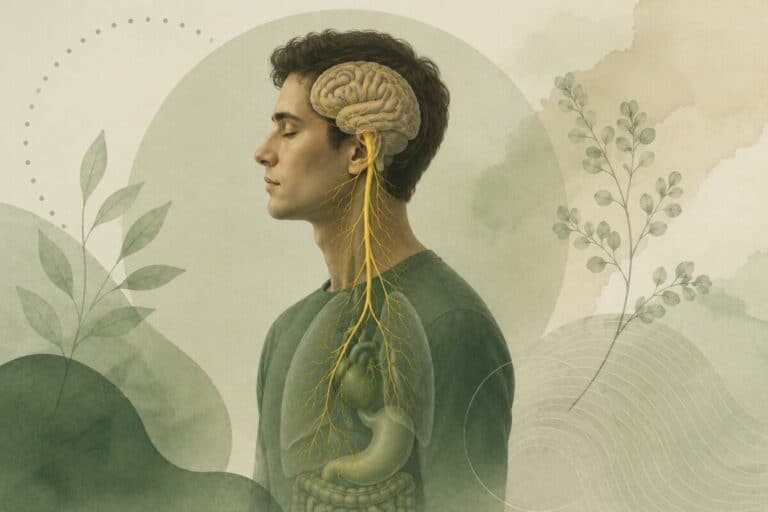
The vagus nerve is part of the parasympathetic nervous system and helps support rest and recovery. Good regulation doesn’t mean feeling calm all the time. It means your body can respond when needed and recover afterward.
Why This Can Happen
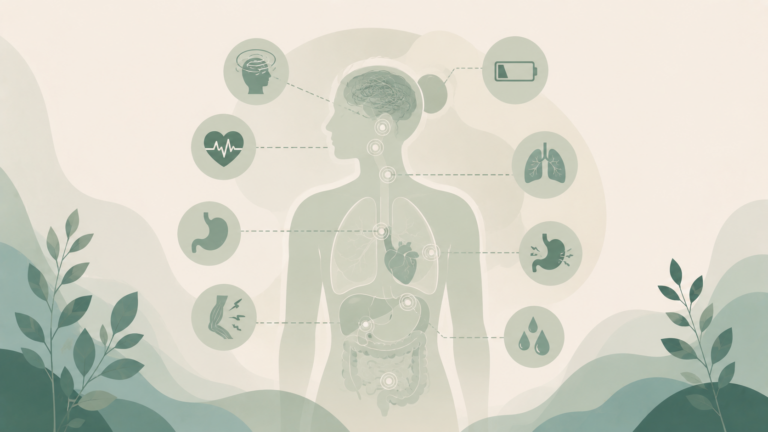
Your autonomic nervous system works mostly in the background, helping control things like heart rate, breathing, blood pressure, and digestion. The Polyvagal Institute describes autonomic regulation as a dynamic process that adjusts your physiological state in response to what’s happening in your body and environment.
The sympathetic nervous system helps prepare your body for action, while the parasympathetic system supports rest and recovery. According to Cleveland Clinic, the parasympathetic system helps bring functions like heart rate back toward their usual levels after stress or danger has passed.
When stress keeps happening without much time to recover, you may notice that you stay tense or alert longer than usual, have trouble winding down, or feel exhausted afterward. This is part of the broader picture of how stress affects the body.
What It Can Feel Like
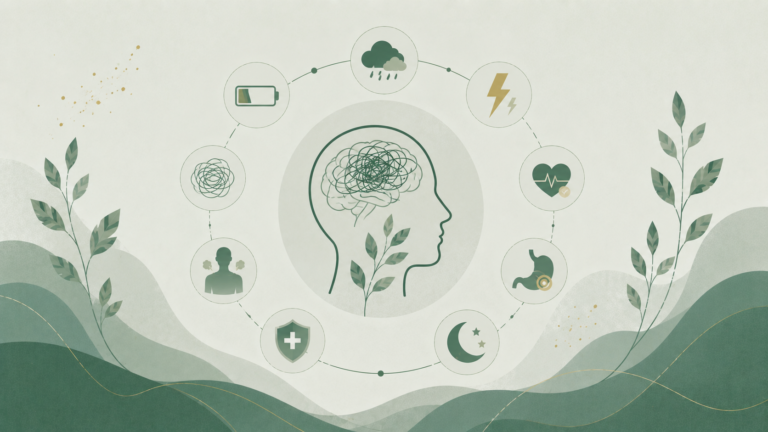
“Nervous system dysregulation” isn’t a medical diagnosis, and these symptoms can have many different causes. But during periods of ongoing stress, you may notice:
- Feeling wired, restless, or on edge for no clear reason.
- Trouble winding down at night, even when you’re exhausted.
- Feeling flat, numb, or disconnected from what’s going on around you.
- Your heart still racing, or your mind still spinning, long after whatever triggered it has ended.
- Snapping at small things that wouldn’t normally bother you.
- Feeling wiped out after a day that wasn’t even that demanding.
For me, this sometimes shows up on days when nothing particularly stressful has happened, but I still feel completely drained by the evening. I’ve noticed it’s often not one big thing, but lots of smaller stresses without much time to properly switch off in between.
Common Triggers or Contributing Factors
Ongoing, Low-Grade Stress
You don’t need one major crisis for stress to build up. Smaller stressors that keep coming without enough time to recover can leave you feeling tense, tired, or constantly on alert. This can also be part of the bigger pattern described in signs of chronic stress.
Not Enough Sleep
Poor sleep and stress can easily feed into each other. When you’re already tired, everyday demands may feel harder to manage, while ongoing stress can make it more difficult to fall asleep or properly wind down.
Past Difficult Experiences
Trauma and other difficult experiences can affect how strongly you respond to stress later on. Certain situations may trigger anxiety, tension, or a sense of being on alert even when there isn’t an immediate danger, a connection explored further in polyvagal research on trauma and the nervous system.
Constant Digital Stimulation
Notifications, work messages, social media, and constant access to new information can make genuine downtime harder to find. If you’re checking your phone until the moment you go to sleep, your mind may simply have fewer opportunities to slow down.
What May Help
Slow breathing can be a simple way to help your body settle during stressful moments. You can try breathing at a comfortable pace and making your exhale slightly longer than your inhale. Regular movement, enough sleep, and time to properly unwind can also make it easier to recover from everyday stress.
Support from other people matters too. Talking, walking, or simply spending time with someone you feel comfortable around can make stressful periods easier to handle. You may hear this described as co-regulation, but it doesn’t need to be a formal technique. Sometimes feeling supported and connected is enough.
When to Reach Out for Support
Stress is a normal part of life, but it’s worth getting support if you feel constantly on edge, exhausted, or unable to switch off and it’s starting to affect your sleep, work, relationships, or daily life.
If these patterns seem connected to trauma or difficult past experiences, a therapist can help you understand your triggers and find ways to manage your responses. A doctor can also help rule out physical or mental health conditions that may be contributing to symptoms like fatigue, sleep problems, or a racing heart.
Conclusion
Nervous system regulation isn’t about staying calm all the time. Stress is a normal response, and your body is supposed to become more alert when a situation calls for it. What matters is also having opportunities to recover once that stress has passed.
If you often feel wired, exhausted, or unable to switch off, it may be worth looking at the amount of stress and recovery in your everyday life. And if your mind tends to keep going long after the stressful moment is over, you might also like my guide on why am I always overthinking.