Why Do I Wake Up at 3 AM Every Night?

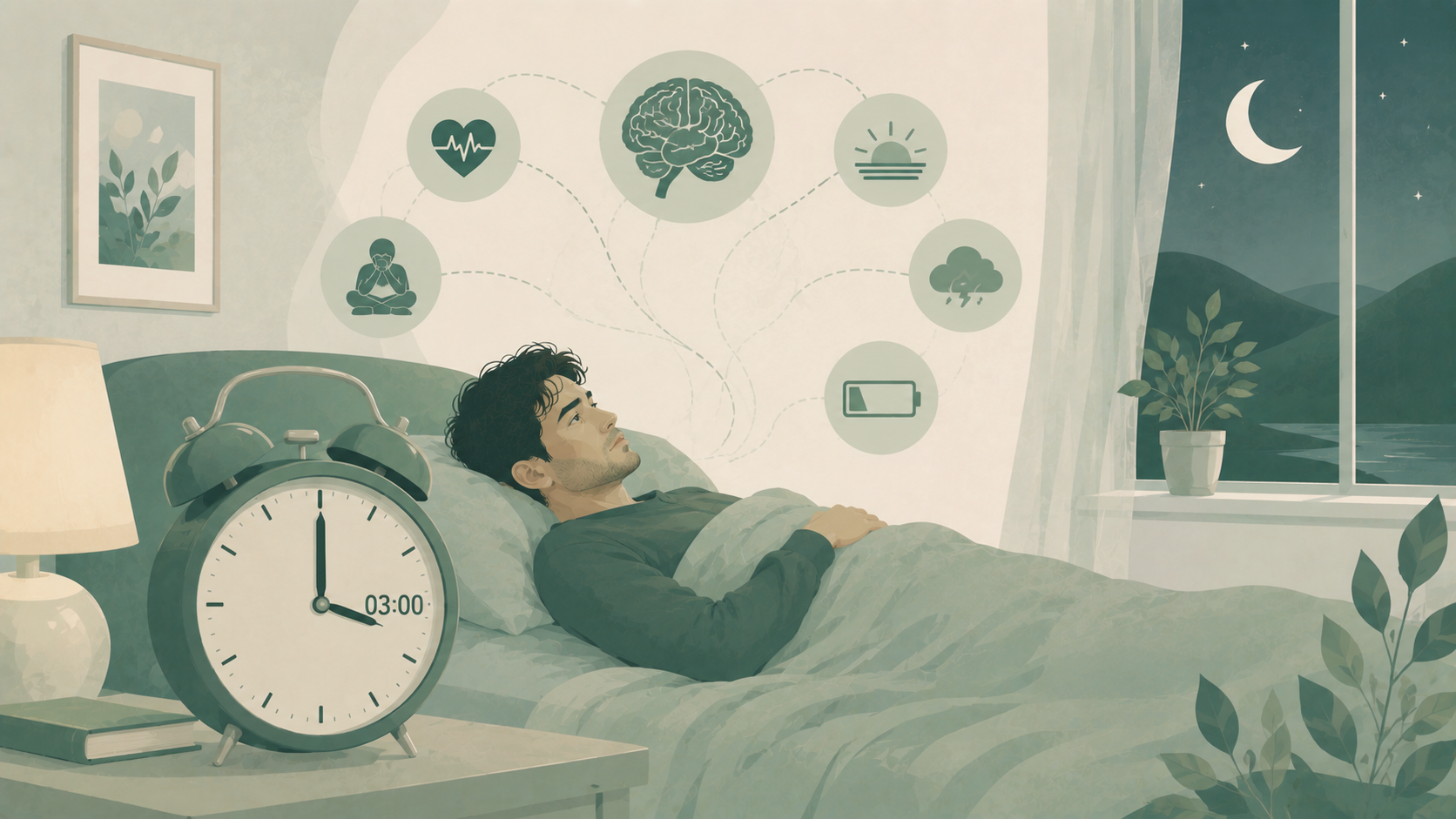
You wake up in the middle of the night and immediately know something feels off. Your body feels awake even though you want to be sleeping. Maybe your mind starts racing. Maybe it doesn’t. Either way, you’re left staring into the dark wondering why this keeps happening.
The first thought is usually much simpler: “What’s happening to me?” It’s a question I hear often enough, at almost exactly the same hour every time, that I’ve started to notice patterns in it myself.
Medical Disclaimer
This article is provided for general educational and informational purposes only and does not constitute medical advice, diagnosis, or treatment. While the content is written with input from a licensed healthcare professional, reading this article does not create a nurse-patient, provider-patient, or any other professional relationship between you and the author or Vida Atlas.
The information here is general in nature and is not a substitute for personalized medical advice from your own doctor or qualified healthcare provider, who can take your full medical history and individual circumstances into account. Always consult your doctor or another qualified healthcare provider with any questions you may have regarding a medical condition, and never disregard professional medical advice or delay seeking it because of something you read on this site.
If you think you may have a medical emergency, call your local emergency number or go to the nearest emergency room immediately. Do not rely on this article for urgent or emergency medical situations.
Vida Atlas and the author make no representations or warranties about the accuracy, completeness, or timeliness of the information provided, and disclaim liability for any actions taken or not taken based on the content of this article.
Quick Answer
Waking up around 3 AM can be linked to stress, anxiety, sleep habits, hormones, lifestyle factors, or simply the way sleep naturally changes throughout the night. It doesn’t automatically mean something is wrong. But if it happens regularly, it’s worth looking at the bigger picture rather than focusing only on the wake-up itself.
Why This Can Happen
It’s easy to assume the problem starts at 3 AM. In reality, it often starts much earlier. Sleep is closely connected to what has been happening in your life during the day and sometimes over the past few months. Stress, emotional strain, poor sleep, illness, pain, medications, alcohol, caffeine, or major life changes can all make nighttime waking more likely.
One of the frustrating things about sleep problems is that the trigger is not always recent. People often search for something that happened yesterday, but the real cause may be weeks or months of pressure slowly building in the background.
Sleep Naturally Becomes Lighter Toward Morning
The deepest sleep usually happens earlier in the night. As morning approaches, sleep becomes lighter and brief awakenings become more common.
Most people don’t remember these awakenings because they fall asleep again quickly. When stress or anxiety are present, however, it can become much harder to drift back to sleep. If falling back asleep is the harder part for you, see why can’t I fall back asleep after waking up?
Stress and Anxiety Can Wake the Body Before the Mind
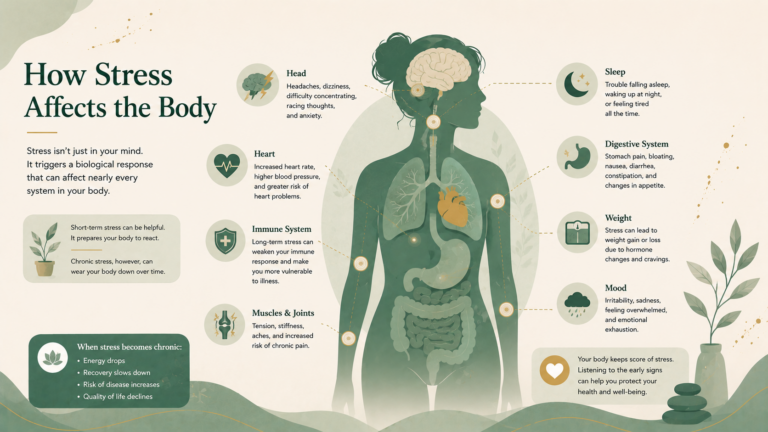
Anxiety doesn’t always feel like obvious worry. Instead, you may wake up with tension in your chest, a racing heart, or a feeling that something isn’t right. That same lingering tension is explored in why can’t I relax even when everything is fine?
Sometimes there isn’t even a clear thought attached to it. The body simply feels alert before the mind fully wakes up. I’ve had patients tell me they feel more scared than they can explain, and I always remind them that the body can be running the show well before the mind catches up.
Your Cortisol Levels Naturally Rise Before Morning
It’s easy to feel concerned after reading about cortisol online. What often gets missed is that cortisol naturally begins to rise in the early morning hours as part of the body’s normal wake-up process.
Stress can make this feel stronger, but the rise itself is not something that needs to be fixed. Most people do not need special supplements or “cortisol blockers” simply because they wake up during the night.
Other Possible Causes
Nighttime waking is not always related to stress or anxiety. Other possible causes include sleep apnea, chronic pain, hormonal changes, frequent urination, acid reflux, certain medications, or changes in sleep schedules. This is why ongoing sleep problems deserve a broader look rather than assuming there is only one explanation.
What May Help and Why
Stop Watching the Clock
Checking the time often makes it harder to relax. Once you know it’s 3:12 AM, your brain starts calculating how much sleep you have left, which can make you even more awake.
Create a Consistent Wind-Down Routine
The goal is not to force sleep. The goal is to help your nervous system recognize that the day is ending. Reading, stretching, a warm shower, or reducing screen time before bed may help some people settle more easily.
Get Daylight and Movement During the Day
Regular exposure to daylight and physical activity helps support your body’s natural sleep-wake rhythm. It doesn’t have to be intense exercise. Even a daily walk can be helpful.
Consider Simple Sleep Supports
Some people find magnesium, melatonin, or calming herbal teas helpful during stressful periods. They are not a cure for nighttime waking, but they may support better sleep for some individuals.
Look at the Bigger Picture
If you’ve been under pressure for a long time, the answer may not be found in a single bedtime habit. Sometimes nighttime waking is a sign that your body and nervous system need more recovery than they’ve been getting. This is part of the broader mind-body connection.
When to Reach Out for Support
If you’re waking frequently, struggling to fall back asleep, feeling exhausted during the day, or noticing loud snoring, breathing pauses, or other health changes, it’s worth speaking with a healthcare professional. Sleep problems have many possible causes, and the right support starts with understanding what may be affecting you personally.
Conclusion
Waking up at 3 AM doesn’t automatically mean something is wrong with you. Often it’s a sign that your sleep has become more sensitive to stress, changes in routine, or other factors affecting your body and mind. In my experience, instead of focusing only on the wake-up itself, it helps to look at the bigger picture. The reason is often found there, not on the clock beside your bed.