Physical Symptoms of Anxiety

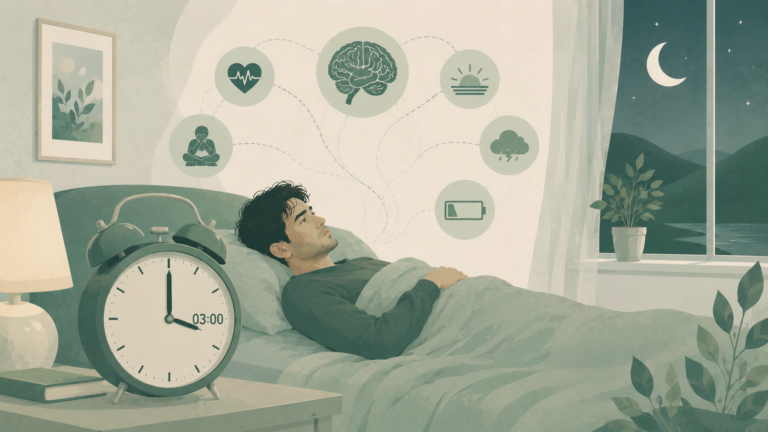
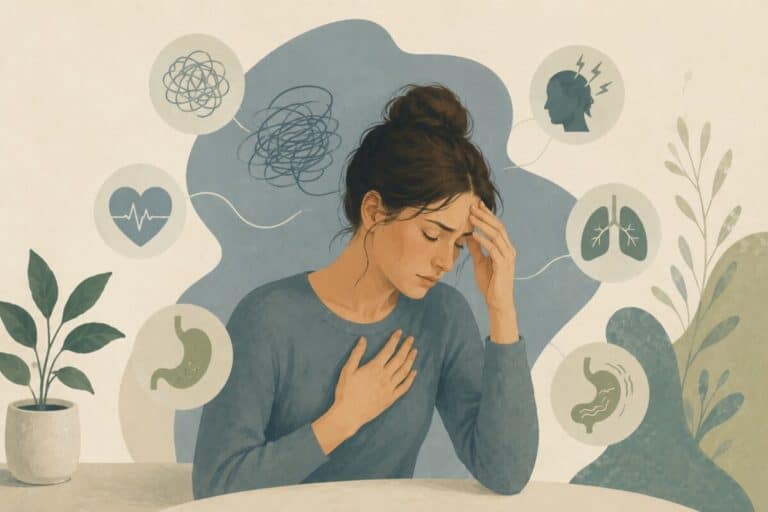
You wake up in the middle of the night or early in the morning and immediately know something feels wrong. Your chest feels tight. Your stomach feels unsettled. Your throat feels strange. Before you’ve even had time to think, your body already feels on edge.
Most people don’t think, “This is anxiety.” They think, “What’s happening to me?” In my own practice, this is almost always how the conversation starts, with a symptom, not a feeling.
Medical Disclaimer
This article is provided for general educational and informational purposes only and does not constitute medical advice, diagnosis, or treatment. While the content is written with input from a licensed healthcare professional, reading this article does not create a nurse-patient, provider-patient, or any other professional relationship between you and the author or Vida Atlas.
The information here is general in nature and is not a substitute for personalized medical advice from your own doctor or qualified healthcare provider, who can take your full medical history and individual circumstances into account. Always consult your doctor or another qualified healthcare provider with any questions you may have regarding a medical condition, and never disregard professional medical advice or delay seeking it because of something you read on this site.
If you think you may have a medical emergency, call your local emergency number or go to the nearest emergency room immediately. Do not rely on this article for urgent or emergency medical situations.
Vida Atlas and the author make no representations or warranties about the accuracy, completeness, or timeliness of the information provided, and disclaim liability for any actions taken or not taken based on the content of this article.
Quick Answer
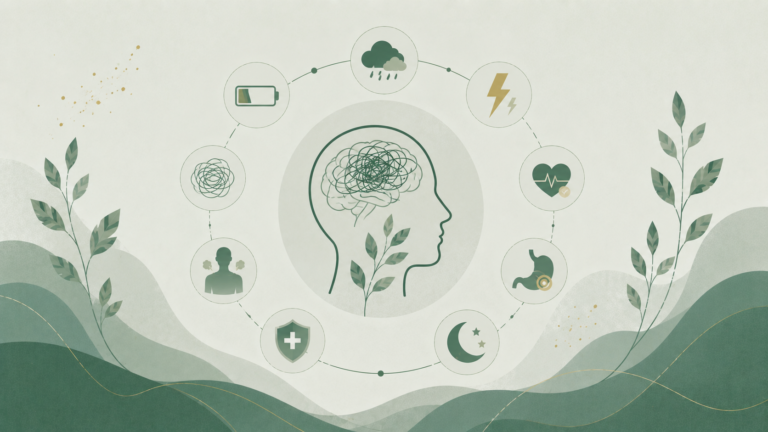
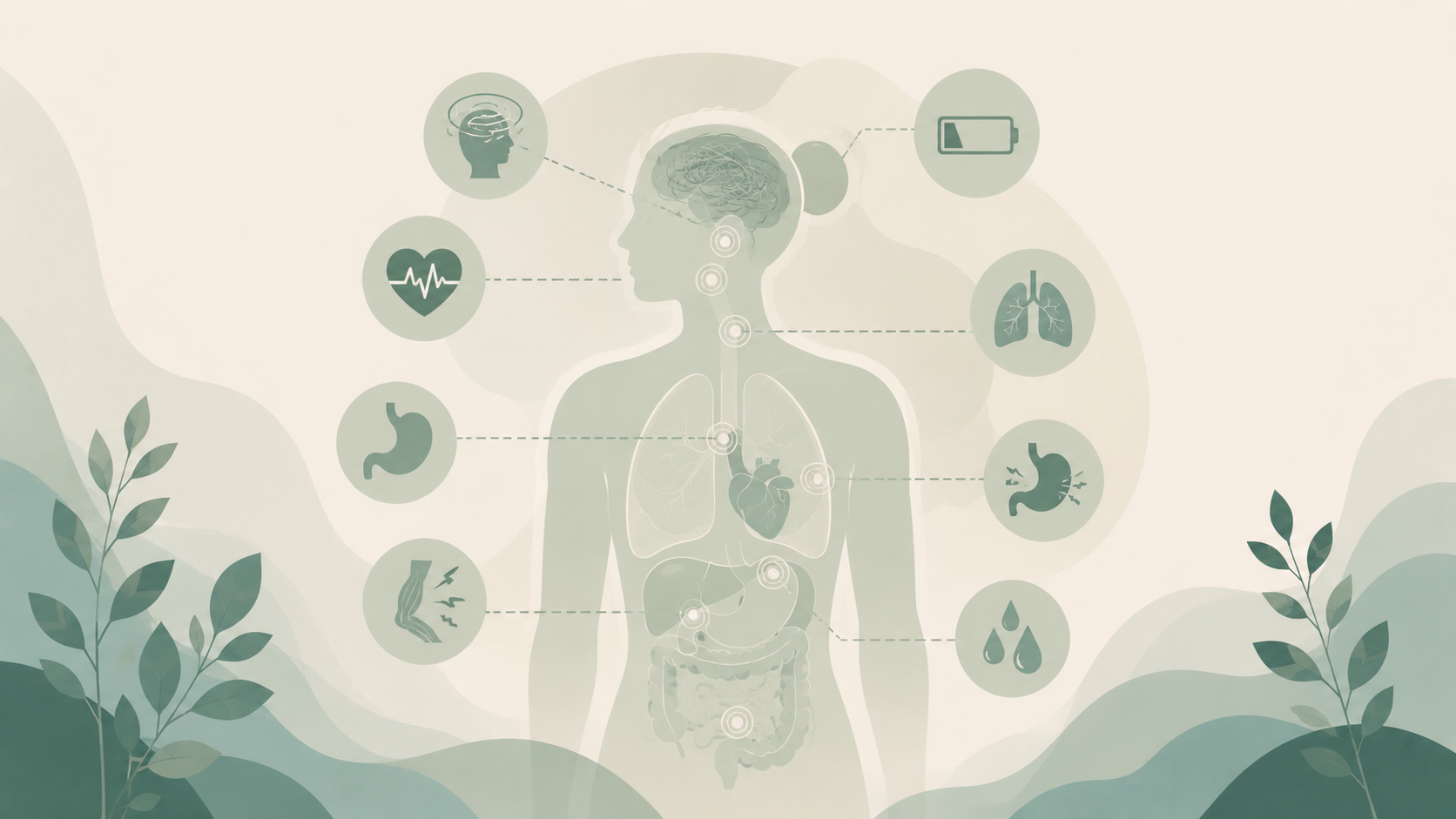
Anxiety can cause real physical symptoms, including chest tightness, a racing heart, stomach problems, muscle tension, sweating, fatigue, sleep disturbances, and a feeling of a lump in the throat.
These symptoms are very real. At the same time, anxiety is not the only possible cause, which is why new, severe, or persistent symptoms should always be discussed with a healthcare professional.
Why This Can Happen
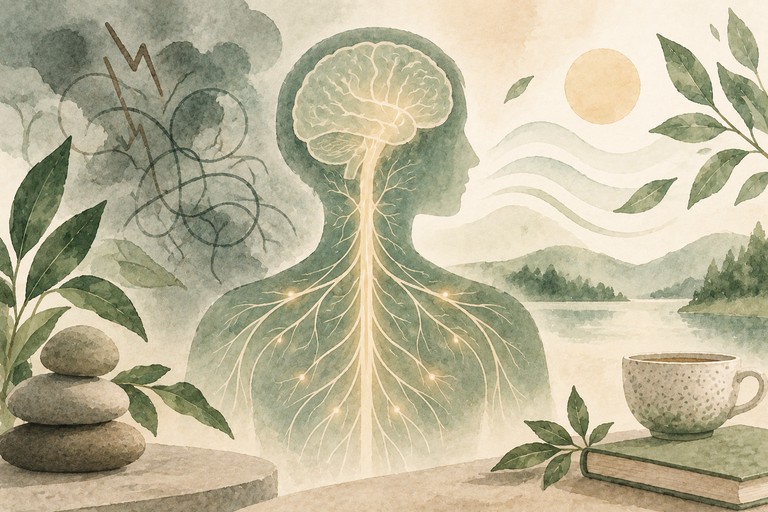
When your brain senses a threat, it activates the body’s alarm system. Stress hormones such as adrenaline and cortisol begin to rise. Heart rate increases, muscles tighten, breathing changes, and digestion slows down as the body prepares to protect you. This is the same stress response covered in how stress affects the body.
The confusing part is that this doesn’t only happen during real danger. Ongoing stress, emotional strain, uncertainty, poor sleep, or carrying too much for too long can keep this system switched on even when nothing dangerous is happening in the moment.
What It Can Feel Like
Chest Tightness and Difficulty Taking a Deep Breath
It often shows up as a feeling of pressure in the chest, or the sensation that you can’t get a satisfying breath. The more attention goes to breathing, the stronger the feeling can sometimes become.
A Racing or Noticeable Heartbeat
Some people experience a fast heartbeat. Others simply become very aware of every beat, especially at night when everything is quiet.
A Lump in the Throat
This can feel like something is stuck in your throat even though nothing is actually there. It may come and go throughout the day and often becomes more noticeable during stressful periods.
Stomach Problems
Nausea, stomach cramps, bloating, loss of appetite, or frequent trips to the bathroom can all happen when the body’s stress response is active.
Muscle Tension
Tight shoulders, jaw clenching, neck pain, headaches, and general aches are common signs that the body has been carrying tension for a long time.
Sweating, Chills, or Feeling Hot and Cold
Some people notice sweaty palms, sudden sweating, chills, waves of heat, or a feeling of internal shaking. These symptoms can be unsettling when they appear unexpectedly.
Fatigue and Sleep Problems
Anxiety is exhausting. It can make it difficult to fall asleep, stay asleep, or return to sleep after waking in the early hours of the morning.
Common Triggers or Contributing Factors
Physical symptoms often become more noticeable during chronic stress, burnout, major life changes, health worries, relationship difficulties, financial pressure, or poor sleep. The trigger isn’t always recent, and stress may have been building quietly for months before symptoms appear.
That’s why I often ask my patients about the last six months, not just the last six days. Looking at the bigger picture can make it easier to see where the symptoms may be coming from.
What May Help and Why
Stop Fighting Every Symptom
One of the hardest parts of anxiety is the urge to constantly monitor your body. Checking your heartbeat, breathing, or other sensations over and over again often keeps your attention locked onto them.
Keep Living Alongside the Symptoms
It’s tempting to start avoiding activities while waiting to feel normal again. Unfortunately, this can give anxiety more control over daily life. Continuing with ordinary activities, even when symptoms are present, helps teach the brain that you are safe.
Notice Patterns Without Letting Them Control You
Poor sleep, stress, or emotional strain may make symptoms more likely. The goal is not to predict every symptom or avoid every trigger. It’s simply to understand yourself a little better without becoming trapped in constant self-monitoring.
Give Your Nervous System Time to Recover
A body that has been under pressure for a long time rarely settles overnight. Recovery usually happens gradually through rest, support, and creating more space for your nervous system to slow down.
When to Reach Out for Support
If physical symptoms are becoming frequent, affecting your sleep, limiting daily activities, or causing significant distress, it may be time to speak with a healthcare professional. You don’t have to wait until things become unbearable. Many people find relief simply from understanding what is happening and having support while they work through it.
Conclusion
Physical symptoms are often the most confusing part of anxiety because they can feel so convincing. Understanding why they happen doesn’t make them disappear immediately, but it can make them feel less frightening. Many people spend months trying to get back to who they were before anxiety appeared.
The difficult truth is that the version of you before the symptoms may already have been carrying more stress, pressure, or emotional strain than you realized. In my experience, sometimes the symptoms aren’t the beginning of the story. They’re the moment your body finally asks you to pay attention.