AI Anxiety: Coping With Uncertainty About the Future


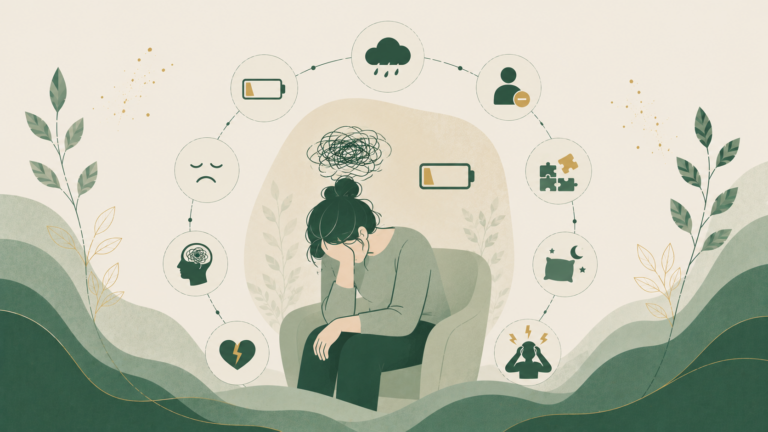
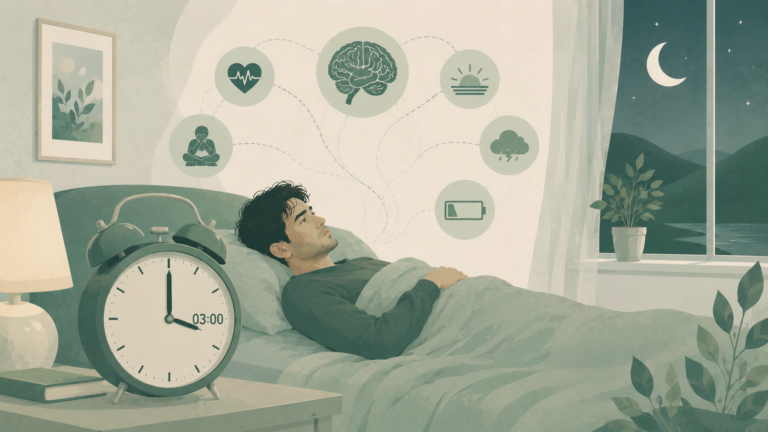
A headline about another job category being automated. A tool at work that suddenly does part of your role in seconds. A vague sense that the ground is shifting faster than you can keep up with. If any of that gives you a tight, uneasy feeling, you’re far from alone.
As someone who uses AI regularly, I understand both sides of this. I can see how useful it is, while also understanding why the speed of change can feel unsettling. You can be interested in what AI can do and still wonder what it might mean for your job, your skills, or the future in general.
Medical Disclaimer
This article is provided for general educational and informational purposes only and does not constitute medical advice, diagnosis, or treatment. While the content is written with input from a licensed healthcare professional, reading this article does not create a nurse-patient, provider-patient, or any other professional relationship between you and the author or Vida Atlas.
The information here is general in nature and is not a substitute for personalized medical advice from your own doctor or qualified healthcare provider, who can take your full medical history and individual circumstances into account. Always consult your doctor or another qualified healthcare provider with any questions you may have regarding a medical condition, and never disregard professional medical advice or delay seeking it because of something you read on this site.
If you think you may have a medical emergency, call your local emergency number or go to the nearest emergency room immediately. Do not rely on this article for urgent or emergency medical situations.
Vida Atlas and the author make no representations or warranties about the accuracy, completeness, or timeliness of the information provided, and disclaim liability for any actions taken or not taken based on the content of this article.
Quick Answer
AI anxiety is ongoing worry or stress about how artificial intelligence could affect your job, the information you trust, or the future more broadly. Surveys have found that people who worry about AI at work report significantly higher stress than those who don’t. For many people, that anxiety comes from facing rapid changes without knowing exactly what they’ll mean.
What’s Actually Going On
Uncertainty is a common trigger for anxiety, especially when change feels fast and outside your control. With AI, it can be difficult to know how your job, industry, or everyday life might look a few years from now. When there are few clear answers, it’s easy for your mind to fill in the gaps with worst-case scenarios.
Constant exposure to technology can add another layer of stress, sometimes called technostress. Research has linked technology overload with higher levels of anxiety and depressive symptoms. Following every AI update may feel like a way to stay prepared, but too much information can end up making you feel more overwhelmed.
How It Shows Up
Job and Career Worry
You might worry about your role becoming obsolete, feel pressure to constantly learn new tools, or wonder whether your skills will still matter in a few years. Even if your job feels relatively secure, rapid changes can still create uncertainty about what comes next.
A Broader Sense of Losing Control
Sometimes the worry goes beyond work. You may feel like technology is changing faster than you can keep up with or that important changes are happening largely outside your control. Because the fear is less specific, it can also be harder to know what to do about it.
Doomscrolling and Information Overload
Constantly checking AI news, especially alarming headlines and predictions, can make the anxiety worse rather than help you feel prepared. The more you read, the easier it is to feel like you need to keep checking for the next update.
What Can Help
Focus on What You Can Actually Control
You can’t control how fast AI develops or how your industry will use it. Focus instead on what’s within your control, whether that means building a useful skill, learning a new tool, or having a conversation with your manager about upcoming changes.
Limit Your News Intake, Don’t Eliminate It
Staying informed is reasonable, but you don’t need to follow every update throughout the day. Try checking AI news once or twice at set times instead of letting headlines constantly interrupt your attention.
Build Skills Instead of Just Worrying About Them
This is the approach I find most useful myself. AI feels much less abstract when you actually use it and learn where it helps, where it gets things wrong, and where your own judgment still matters. You don’t have to become an AI expert, but understanding the tools that are relevant to your work can make the future feel a little less unknown.
Talk About It Instead of Sitting With It Alone
If the uncertainty is bothering you, talk about it with a friend, coworker, or partner. Putting specific worries into words can make them easier to think through, and you may find that other people have similar concerns.
When to Talk to a Doctor
Some worry about a changing world is understandable. Consider talking to a doctor or therapist if it becomes constant, affects your sleep or concentration, or leaves you replaying the same worries over and over without feeling any closer to an answer.
It may also be worth getting support if AI is just one of many uncertainties that regularly trigger anxiety for you. Similar patterns can show up around work, relationships, or even worries about your health. If anxiety keeps shifting from one concern to another, addressing the broader pattern may be more helpful than trying to solve each worry separately.
Conclusion
AI is changing quickly, and no one knows exactly what that will mean a few years from now. Some worry about your job, your skills, or the wider impact of these changes is understandable. The goal isn’t to convince yourself there’s nothing to worry about, but to keep that uncertainty from taking over too much of your attention.
Focus on what you can do now, give yourself some distance from the constant stream of AI news, and talk about your concerns when they start to feel overwhelming. If stress like this has been building for a while, it may be worth looking at the bigger pattern rather than only what’s triggering it right now.