What Is Depression?

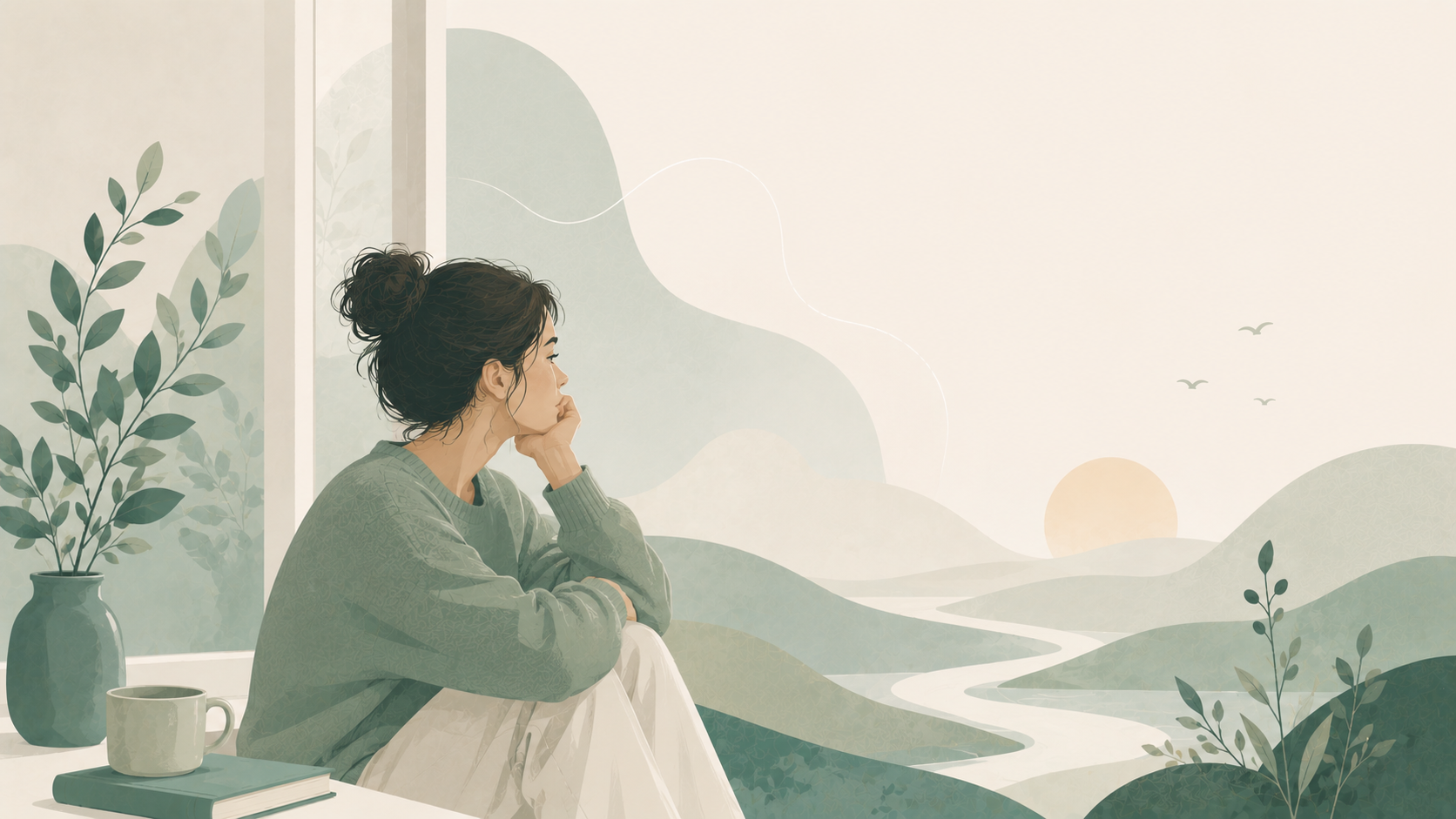
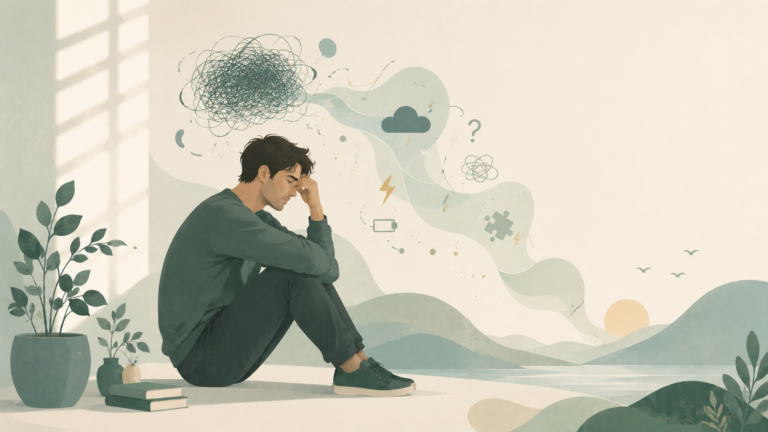
Most people imagine depression as constant sadness. In reality, it can look very different. Some people continue working, caring for their families, and doing everything they’re supposed to do while feeling increasingly disconnected from themselves and their lives.
Others may feel exhausted, unmotivated, or unable to enjoy things that once felt meaningful. In my experience, this version often gets missed because, from the outside, everything still looks fine. If you’re trying to understand whether you’re experiencing burnout, depression, or both, see Burnout or Depression?
Medical Disclaimer
This article is provided for general educational and informational purposes only and does not constitute medical advice, diagnosis, or treatment. While the content is written with input from a licensed healthcare professional, reading this article does not create a nurse-patient, provider-patient, or any other professional relationship between you and the author or Vida Atlas.
The information here is general in nature and is not a substitute for personalized medical advice from your own doctor or qualified healthcare provider, who can take your full medical history and individual circumstances into account. Always consult your doctor or another qualified healthcare provider with any questions you may have regarding a medical condition, and never disregard professional medical advice or delay seeking it because of something you read on this site.
If you think you may have a medical emergency, call your local emergency number or go to the nearest emergency room immediately. Do not rely on this article for urgent or emergency medical situations.
Vida Atlas and the author make no representations or warranties about the accuracy, completeness, or timeliness of the information provided, and disclaim liability for any actions taken or not taken based on the content of this article.
Quick Answer
Depression is more than sadness. It can affect mood, energy, motivation, concentration, sleep, appetite, and the ability to enjoy life. It can also change how people see themselves, their future, and the world around them. Whether it develops gradually or follows a specific event, depression often affects far more of daily life than sadness alone.
What Depression Can Feel Like
Depression does not look the same for everyone. Some people feel sad and cry frequently. Others feel emotionally numb, as if their feelings have been turned down or switched off altogether. Many people describe a loss of interest in activities they once enjoyed.
Common experiences may include:
- Low energy
- Lack of motivation
- Feeling emotionally flat
- Loss of interest in hobbies or social activities
- Difficulty concentrating
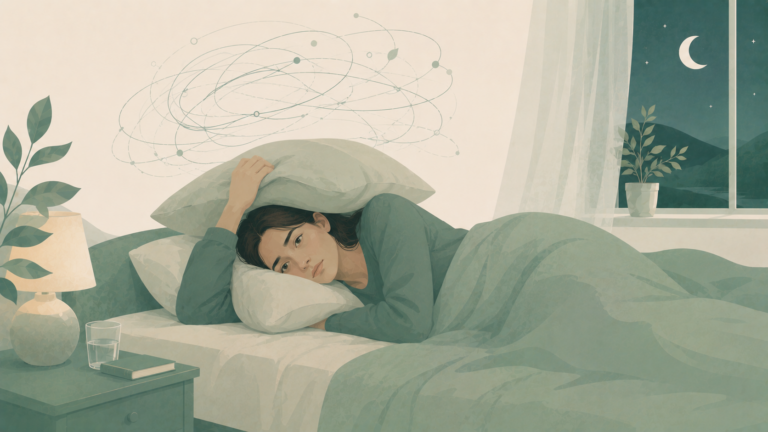
- Changes in sleep
- Changes in appetite
- Feelings of guilt or worthlessness
- Difficulty making decisions
- Feeling disconnected from life
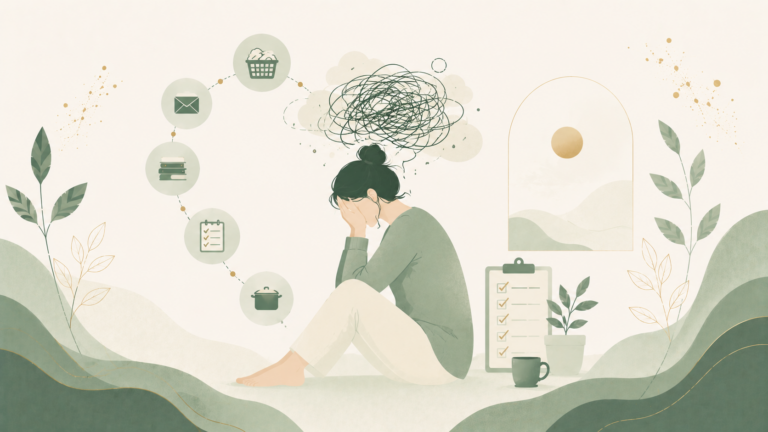
One of the most frustrating parts is that everyday tasks can begin to feel much harder than they used to. Things that once felt automatic may suddenly require effort and planning. Physical symptoms are common too, including unexplained aches, digestive changes, or a persistent heaviness in the body that doesn’t match anything a doctor can find on a physical exam.
Why Depression Can Be Hard to Recognize
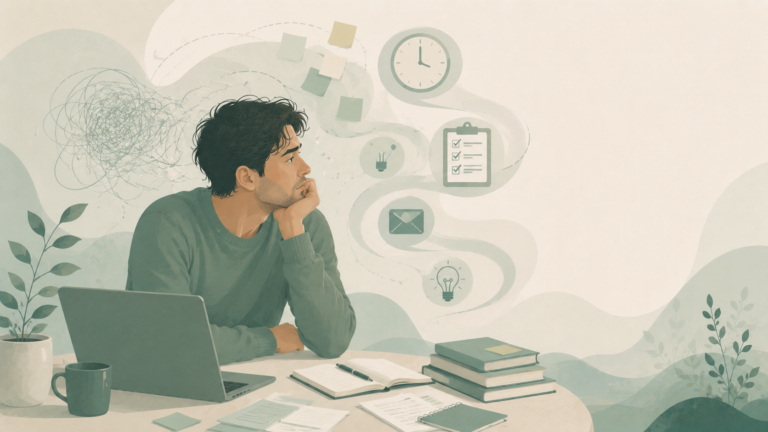
It doesn’t always look the way people expect. Some people continue meeting responsibilities while quietly struggling, while others assume they are simply tired, stressed, burned out, or lacking motivation. This pattern is sometimes called high-functioning depression and can go unnoticed for a long time.
I’ve had patients tell me they only realized how long they’d been struggling once someone else pointed it out. Because depression can develop gradually, it may take time to recognize that what you’re experiencing goes beyond an ordinary difficult period.
What May Help
There is rarely one thing that fixes depression. Some people benefit from therapy. Others need medication. Many people need a combination of approaches, along with time and patience. Talk therapy, and cognitive behavioral therapy in particular, is one of the most studied treatments, and it often works well alongside medication rather than instead of it.
Understanding what is happening can also help. Depression often convinces people that nothing will change, but the way things feel today may not be the way they feel forever.
When It Becomes More Than a Difficult Period
Everyone has difficult periods in life. If low mood, loss of interest, exhaustion, or hopelessness continue for weeks and begin affecting daily life, it may be worth looking for additional support. A useful rule of thumb doctors sometimes use is whether symptoms have lasted most of the day, nearly every day, for at least two weeks.
Conclusion
Depression can make the future feel smaller than it really is. It can change the way people see themselves, their lives, and their possibilities. In my experience, with the right support and enough time, many people improve far more than they once believed possible.