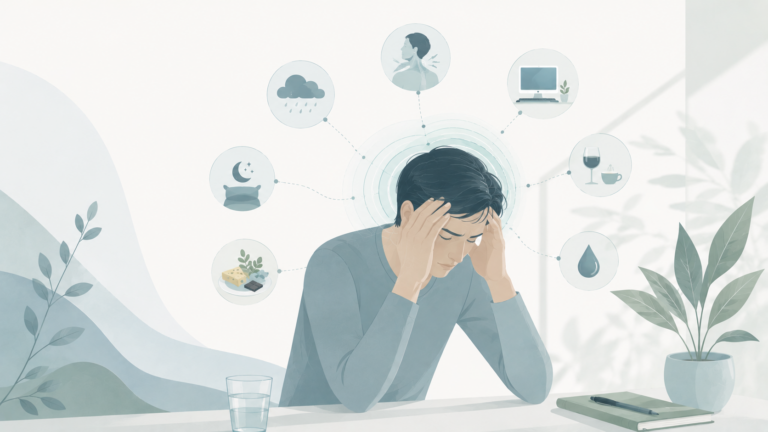
Why Am I Dizzy?

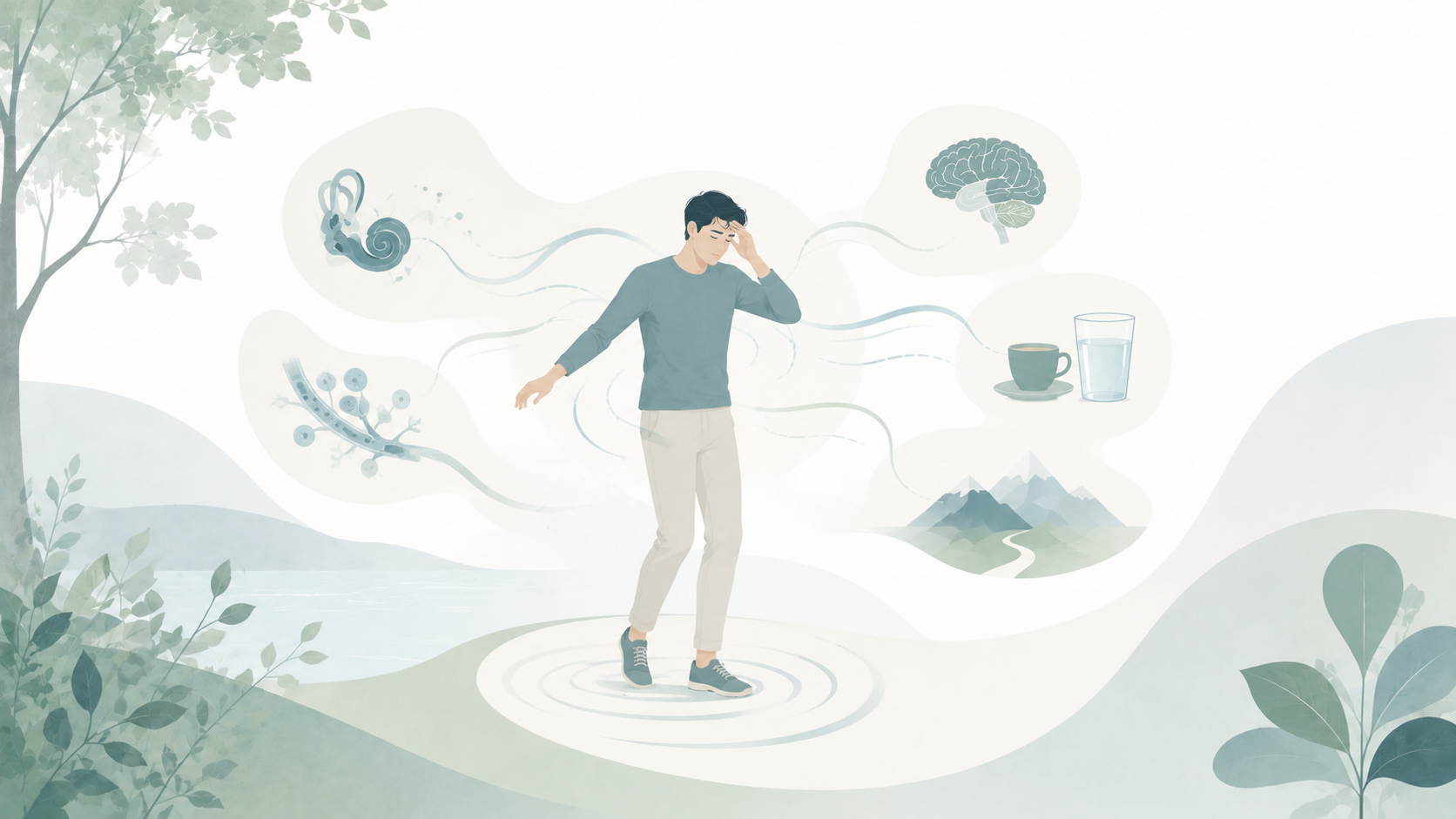
Have you ever stood up and suddenly felt lightheaded? Or turned over in bed and felt like the room was spinning for a few seconds? Maybe you’ve felt unsteady while walking, even though you didn’t actually fall.
We often use the word dizzy to describe all of these feelings, but they aren’t always the same thing. That’s because your sense of balance depends on several parts of your body working together. The good news is that dizziness is often temporary and has a simple explanation. As a nurse, I hear this question often, and it’s usually one of the easier ones to work through together.
Medical Disclaimer
This article is provided for general educational and informational purposes only and does not constitute medical advice, diagnosis, or treatment. While the content is written with input from a licensed healthcare professional, reading this article does not create a nurse-patient, provider-patient, or any other professional relationship between you and the author or Vida Atlas.
The information here is general in nature and is not a substitute for personalized medical advice from your own doctor or qualified healthcare provider, who can take your full medical history and individual circumstances into account. Always consult your doctor or another qualified healthcare provider with any questions you may have regarding a medical condition, and never disregard professional medical advice or delay seeking it because of something you read on this site.
If you think you may have a medical emergency, call your local emergency number or go to the nearest emergency room immediately. Do not rely on this article for urgent or emergency medical situations.
Vida Atlas and the author make no representations or warranties about the accuracy, completeness, or timeliness of the information provided, and disclaim liability for any actions taken or not taken based on the content of this article.
Quick Answer
Your brain keeps you balanced by comparing information from your inner ears, your eyes, and the rest of your body. If one of those systems sends confusing information, you may feel dizzy. That’s why dizziness can happen for many different reasons, even though the feeling may seem very similar.
What’s Actually Happening Inside Your Body
Staying balanced feels effortless, but your body is doing an incredible amount of work every second. Your balance depends on three systems working together: your inner ears, your eyes, and the sensors in your muscles and joints.
Your brain compares information from all three almost instantly. If the messages match, you feel steady. If they don’t, you may suddenly feel dizzy.
Think of it like asking three friends for directions. If they all point the same way, you know where to go. But if one points left while the other two point right, you’ll probably stop for a moment because you’re not sure who’s correct. Your brain works in much the same way.
Not All Dizziness Feels the Same
People often use the word dizzy to describe different feelings. Some feel lightheaded, as if they might faint, while others feel as if the room is spinning around them.
Some simply feel unsteady, like they’re walking on a moving boat, and these feelings can have different causes, which is why noticing exactly what your dizziness feels like can help explain what’s happening.
Common Causes of Dizziness
Inner Ear Problems (BPPV)
If the room feels like it’s spinning, the problem is often in the inner ear. Tiny crystals inside the ear help your brain detect movement, but sometimes they move into the wrong place. This condition is called benign paroxysmal positional vertigo (BPPV). It’s one of the most common causes of spinning dizziness and often improves with simple repositioning exercises recommended by a healthcare professional.
Feeling Lightheaded
Feeling lightheaded is different. It often happens when your brain briefly receives less blood than usual. This can happen after standing up quickly, if you’re dehydrated, have naturally low blood pressure, or take certain medications. Lightheadedness is also a common physical symptom of panic. See What Is a Panic Attack?
Other Triggers
Dizziness can also happen during a migraine, with some inner ear infections, or because of changes in blood pressure. Some people notice dizziness when their vision has changed or they’re adjusting to a new pair of glasses.
The Nausea Connection
Spinning dizziness can also make you feel sick to your stomach. The part of your brain that controls balance is closely connected to the part that controls nausea, which is why dizziness and motion sickness often go together.
When It’s Usually Harmless
Many dizzy spells last only a few seconds or minutes. They often happen after standing up quickly, getting overheated, becoming dehydrated, or changing the position of your head. In these situations, your body usually corrects the problem on its own, and the dizziness goes away without treatment.
When It’s Worth Paying Attention To
It’s a good idea to see your healthcare provider if dizziness keeps coming back, lasts for a long time, gets worse over time, or starts affecting your daily life.
Seek emergency medical care if dizziness starts suddenly together with trouble speaking, weakness, numbness, severe headache, chest pain, fainting, double vision, or difficulty walking. These symptoms need immediate medical attention.
What You Can Do
The best treatment depends on what’s causing the dizziness. If you’re dehydrated, drinking more fluids may help. If you skipped a meal, eating something may be enough. If standing up quickly always makes you feel lightheaded, it’s worth mentioning it to your healthcare provider, especially if it happens often.
If the room spins whenever you roll over in bed or move your head in certain ways, don’t ignore it. This pattern is common in BPPV, and many people improve with simple head-position exercises recommended by a healthcare professional. I’ve walked several patients through this exact exercise, and most notice a real difference within a session or two.
If dizziness keeps returning or you aren’t sure what’s causing it, don’t try to guess. Finding the cause is much more important than simply treating the symptom.
The Bottom Line
Dizziness isn’t a disease on its own. It’s a signal that one of the systems helping you stay balanced isn’t working quite the way it should.
Once you understand how your inner ears, eyes, muscles, and brain work together, dizziness becomes much easier to understand. If low energy is part of the picture too, see Why Am I Always Tired? Instead of feeling random, it starts to make sense, and that can make it feel a little less frightening.