High Blood Pressure Explained

Have you ever left a checkup and been told your blood pressure was high, even though you felt totally fine? It’s a strange thing to hear. There’s no pain. No warning sign. Nothing that would have told you something was different. That’s part of why high blood pressure confuses so many people.
The good news is high blood pressure is well understood. Once you know what’s going on, it’s also one of the easiest health issues to manage. In my years as a nurse, I’ve checked more blood pressure readings than I can count, and I’ve seen firsthand how often people are surprised by a high number. It’s one of the most common conversations I have with patients.
Medical Disclaimer
This article is provided for general educational and informational purposes only and does not constitute medical advice, diagnosis, or treatment. While the content is written with input from a licensed healthcare professional, reading this article does not create a nurse-patient, provider-patient, or any other professional relationship between you and the author or Vida Atlas.
The information here is general in nature and is not a substitute for personalized medical advice from your own doctor or qualified healthcare provider, who can take your full medical history and individual circumstances into account. Always consult your doctor or another qualified healthcare provider with any questions you may have regarding a medical condition, and never disregard professional medical advice or delay seeking it because of something you read on this site.
If you think you may have a medical emergency, call your local emergency number or go to the nearest emergency room immediately. Do not rely on this article for urgent or emergency medical situations.
Vida Atlas and the author make no representations or warranties about the accuracy, completeness, or timeliness of the information provided, and disclaim liability for any actions taken or not taken based on the content of this article.
Quick Answer
High blood pressure means the force of your blood against your artery walls stays higher than it should. It rarely causes symptoms you can feel, which is why people call it a “silent” problem. Over time, that extra pressure can strain your heart and blood vessels. That’s why finding and treating it matters, even if you feel fine.
What’s Actually Happening Inside Your Body
Every time your heart beats, it pushes blood through your arteries. Your artery walls are built to handle a certain amount of pressure.
When blood pressure stays too high for a long time, your artery walls and heart muscle have to work harder than they should. Over months and years, that extra strain can slowly affect your heart, blood vessels, kidneys, and other organs.
None of this usually feels like anything in the moment. That’s exactly why regular blood pressure checks matter more than waiting to feel symptoms. A blood pressure reading is really the only way most people find out, since the body rarely sends a clear warning signal on its own.
Why It Happens
Daily Habits
Eating a lot of salty food, carrying extra weight, being inactive, and drinking alcohol often can raise blood pressure over time. Smoking and too little sleep may also contribute. Small, consistent lifestyle changes can make a meaningful difference.
Genes and Age
Blood pressure tends to rise naturally as you get older, since your blood vessels become less flexible with age. Having a family member with high blood pressure can also raise your risk, even if your habits are otherwise healthy. This doesn’t mean high blood pressure is unavoidable, just that it’s worth checking more often if it runs in your family.
Long-Term Stress
Ongoing stress keeps your body’s alert system switched on more than it should be. Over time, this can raise your blood pressure, especially when combined with other risk factors. Stress can also lead to habits, like poor sleep or drinking more alcohol, that raise blood pressure further on their own.
Other Health Conditions
Kidney disease, thyroid problems, and sleep apnea can all lead to high blood pressure. Treating these conditions often helps lower blood pressure too, which is part of why doctors sometimes look beyond blood pressure itself when numbers don’t respond to the usual first steps.
When It’s Usually Harmless
One high reading doesn’t always mean you have high blood pressure. Coffee, stress, pain, or feeling nervous at the doctor’s office can all raise a reading for a short time. If the next measurements return to your usual range, that temporary increase is often less concerning. Taking a few readings on different days can give a much clearer picture than relying on a single number.
When It’s Worth Paying Attention To
Follow up with your doctor if you get high readings again and again over time. This is true whether they happen at checkups or on a home monitor, even if you feel fine.
Get emergency help if you have a very high reading along with a bad headache, chest pain, trouble breathing, vision changes, or confusion. This combination can be a sign of a dangerous spike in blood pressure and needs care right away.
What You Can Do
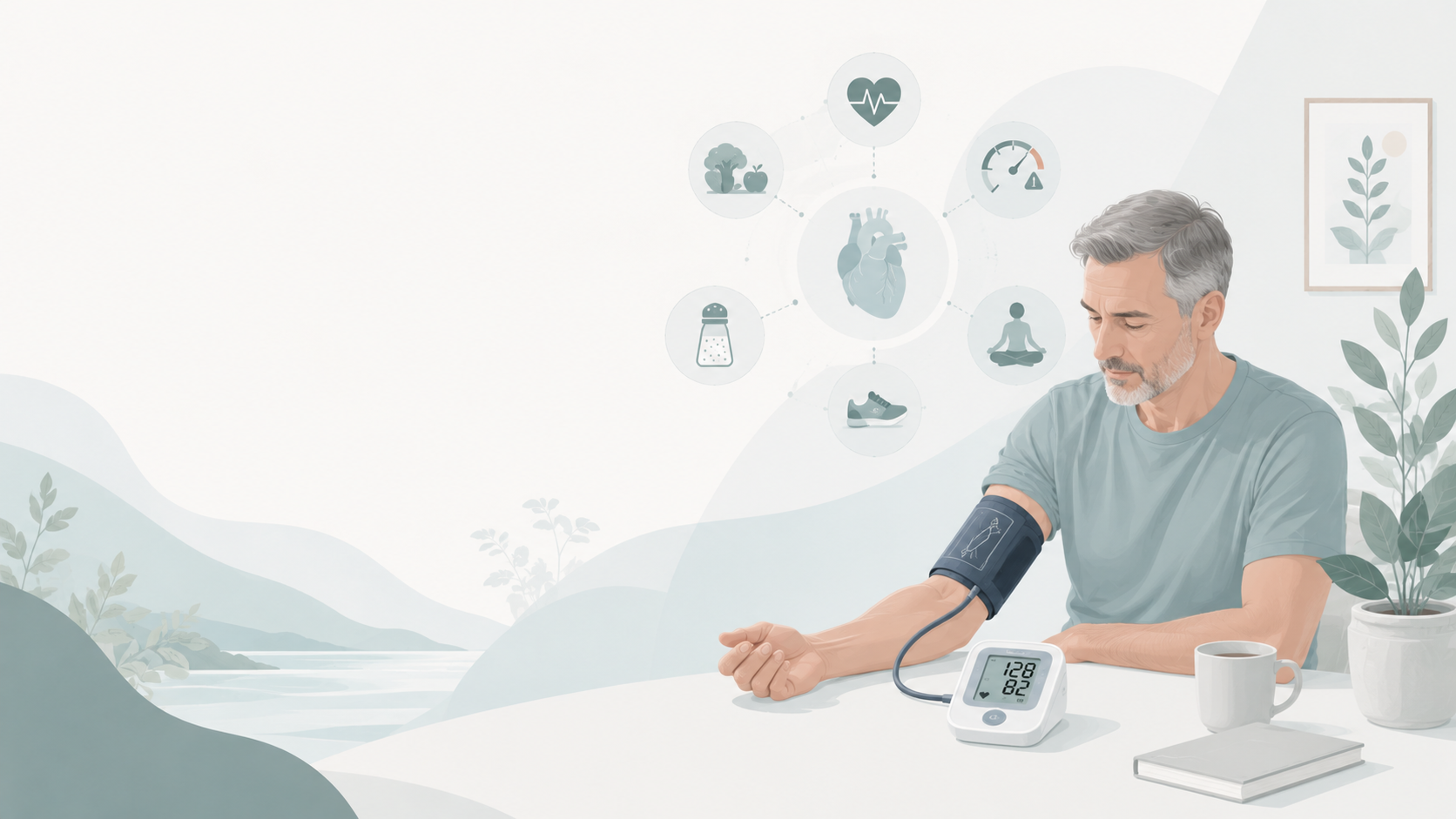
If you’ve been told your blood pressure is high, tracking it at home for a couple of weeks gives a much clearer picture than just one reading at a checkup. Take readings at similar times of day and write them down so patterns are easier to spot.
Eating less salt, staying active, drinking less alcohol, managing stress, and keeping a healthy weight are often the first steps doctors recommend. These changes can make a real difference, sometimes within just a few weeks of being consistent with them.
For some people, these changes are enough on their own. For others, medicine is also needed. Your doctor can help you figure out the right plan for your numbers and your health. When I talk to my patients about this, I remind them that one reading is just one data point. What matters is the trend I see over several weeks, and that’s exactly the approach I’d encourage you to take too.
FAQ:
Readings consistently at or above 130/80 mmHg are generally considered high, though your doctor can tell you what’s right for you.
Because it usually causes no symptoms you can feel, even as it strains your heart and blood vessels over time.
A single stressful moment can raise a reading temporarily, but long-term stress can also contribute to lasting high blood pressure.
For many people, lifestyle changes like reducing salt, staying active, and managing stress can bring numbers back into a healthy range.
Track it over a couple of weeks at similar times of day, and share the pattern with your doctor rather than reacting to one reading alone.
The Bottom Line
High blood pressure rarely gives you any warning. That’s exactly why it’s worth paying attention to, even when you feel fine. It doesn’t mean something is badly wrong with you. It just means your heart and blood vessels could use some support. If your numbers run the other way, see Low Blood Pressure Symptoms.
With regular checks and the right changes, it’s one of the easiest health issues to manage.