Common Vitamin Deficiencies

Have you been feeling tired, noticed your hair thinning, or found bruises you can’t explain? Maybe you’ve wondered if your diet is missing something. Low levels of vitamins and minerals are more common than most people think, and they build up slowly. That makes them easy to miss, since the signs often feel like normal tiredness or stress at first.
The good news is that most common deficiencies are easy to find with a simple blood test and often just as easy to fix. I’ve seen many patients worry that something serious was wrong, only to discover a common deficiency. It’s one of my favorite conversations to have because the solution is often so straightforward.
Medical Disclaimer
This article is provided for general educational and informational purposes only and does not constitute medical advice, diagnosis, or treatment. While the content is written with input from a licensed healthcare professional, reading this article does not create a nurse-patient, provider-patient, or any other professional relationship between you and the author or Vida Atlas.
The information here is general in nature and is not a substitute for personalized medical advice from your own doctor or qualified healthcare provider, who can take your full medical history and individual circumstances into account. Always consult your doctor or another qualified healthcare provider with any questions you may have regarding a medical condition, and never disregard professional medical advice or delay seeking it because of something you read on this site.
If you think you may have a medical emergency, call your local emergency number or go to the nearest emergency room immediately. Do not rely on this article for urgent or emergency medical situations.
Vida Atlas and the author make no representations or warranties about the accuracy, completeness, or timeliness of the information provided, and disclaim liability for any actions taken or not taken based on the content of this article.
Quick Answer
A few deficiencies show up again and again: iron, vitamin D, vitamin B12, and folate. Each one does a different job in the body, so each one causes a slightly different set of symptoms. In many cases, symptoms build up slowly, and people get used to feeling off before a blood test finally reveals the cause.
What’s Actually Happening Inside Your Body
Vitamins and minerals help with countless jobs in your body. They help you make energy, build red blood cells, fight off illness, and keep your nerves working well.
When your supply of one of these runs low, the jobs that depend on it start to slow down. Your body often makes up for it for a while, which is part of why symptoms can be mild at first and get more noticeable over time. By the time symptoms are obvious enough to mention to a doctor, the deficiency has often been building for weeks or months.
Common Deficiencies and What They Can Feel Like
Low Iron
Iron helps your blood carry oxygen. Low iron often causes tiredness, pale skin, shortness of breath, cold hands and feet, and general weakness. See Why Do I Feel Weak? It’s especially common in people with heavy periods or those who eat little or no meat.
Low Vitamin D
Your body makes vitamin D from sunlight. Spending little time outdoors, having darker skin, or living somewhere with long winters can all raise your risk. Low vitamin D is often linked to tiredness, sore muscles, and low mood. It’s one of the most common deficiencies overall, since it’s genuinely hard to get enough from food alone.
Low Vitamin B12
B12 helps your nerves and red blood cells work well. Low B12 can cause tiredness, numbness or tingling in your hands and feet, memory trouble, and a smooth, sore tongue. It’s more common in people who eat a vegan diet, older adults, and people with certain stomach conditions, since B12 needs healthy stomach acid to be absorbed properly.
Low Folate
Folate works closely with B12 to make red blood cells. Low levels can cause tiredness, feeling irritable, and mouth sores. It’s especially important to fix during pregnancy, since folate also plays a key role in a developing baby’s early growth.
When It’s Usually Harmless
Small, short-term dips are common and often easy to fix through diet alone, especially if you catch them early with routine blood tests.
When It’s Worth Paying Attention To
Talk to your doctor if tiredness, numbness, unusual paleness, or other symptoms last more than a few weeks, or if your diet or health puts you at higher risk for a certain deficiency.
Get care right away if you notice chest pain, hard trouble breathing, or a fast heartbeat along with tiredness. These can sometimes point to more serious low blood counts that need quick care.
What You Can Do
A simple blood test can check your iron, vitamin D, B12, and folate levels. It’s the easiest way to find out what’s really going on instead of guessing from symptoms. If a test shows a deficiency, your doctor can recommend the right dose. Avoid taking high-dose supplements without testing first, as too much can sometimes cause problems.
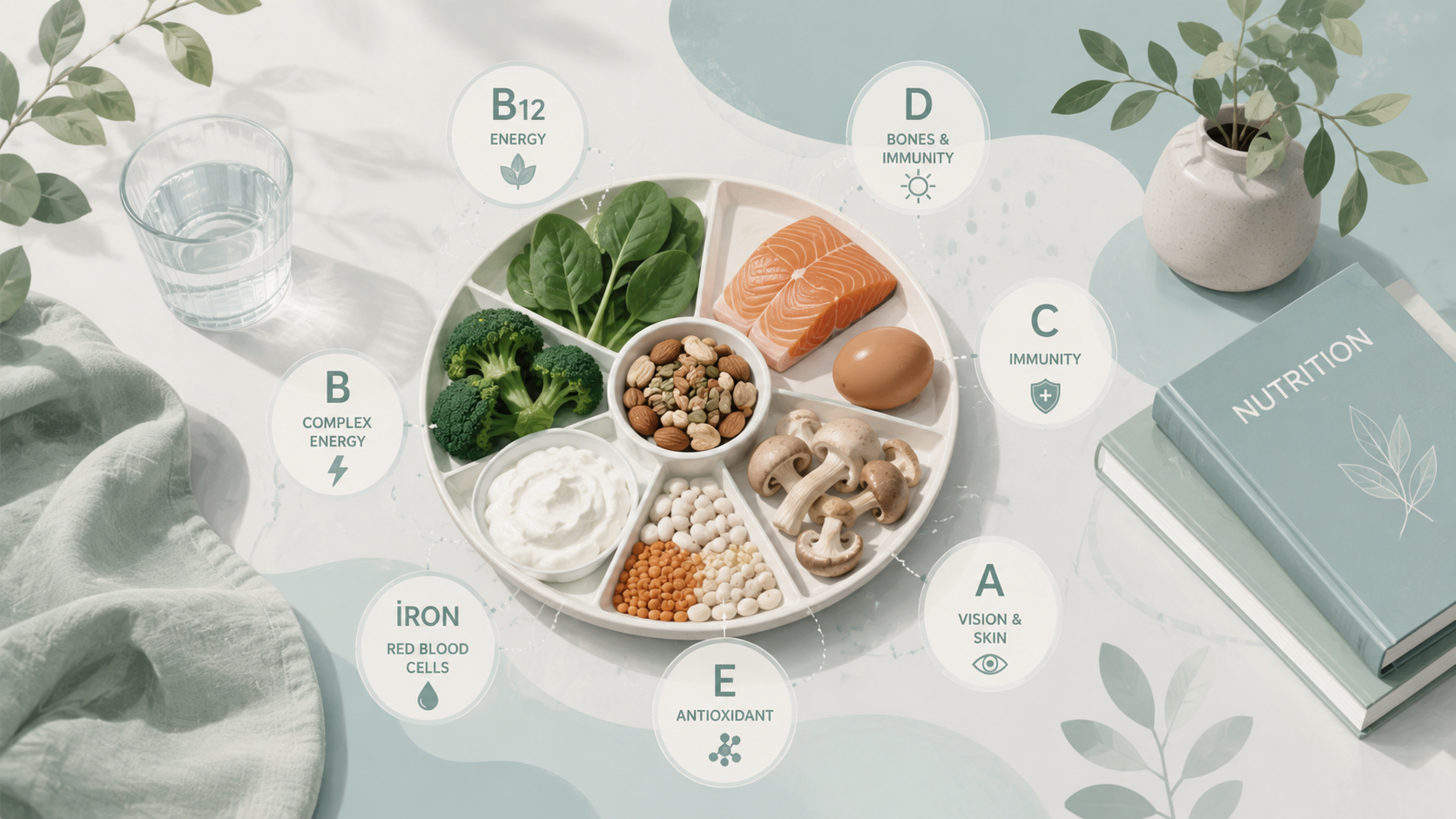
Eating a varied diet with enough iron-rich foods, dairy or fortified alternatives, and some time outdoors can help prevent deficiencies. If you follow a vegan or vegetarian diet, a daily B12 supplement is often recommended even before symptoms appear.
My advice to my own patients is simple: don’t guess, test. It takes away the uncertainty and helps you treat the actual problem. I’ve seen people go from feeling exhausted to feeling like themselves again within just a few weeks of the right treatment.
FAQ:
Iron, vitamin D, vitamin B12, and folate are the ones doctors see most often.
A simple blood test is the most reliable way to check, since symptoms alone can be easy to mistake for normal tiredness.
Mild deficiencies often improve with diet, but more significant ones may need supplements guided by your doctor.
It’s better to test first. Taking more than you need isn’t always safe and can sometimes mask other issues.
People who eat a vegan diet, older adults, and those with certain stomach conditions are at higher risk.
The Bottom Line
Many everyday symptoms, like tiredness, brittle nails, or low mood, trace back to something as fixable as a missing nutrient. You don’t have to guess which one it is. A simple blood test can point you to the answer, and often to feeling noticeably better within weeks of fixing it.