Why Do I Feel Lightheaded When I Stand Up?


You stand up from the couch, and for a second, the room tilts. Maybe you see spots, maybe you just feel briefly unsteady, then it passes.
This happens to almost everyone occasionally, but if it’s happening often, it’s worth understanding what’s actually going on. There’s rarely just one explanation, which is why I always ask a few follow-up questions before assuming it’s any one thing.
Medical Disclaimer
This article is provided for general educational and informational purposes only and does not constitute medical advice, diagnosis, or treatment. While the content is written with input from a licensed healthcare professional, reading this article does not create a nurse-patient, provider-patient, or any other professional relationship between you and the author or Vida Atlas.
The information here is general in nature and is not a substitute for personalized medical advice from your own doctor or qualified healthcare provider, who can take your full medical history and individual circumstances into account. Always consult your doctor or another qualified healthcare provider with any questions you may have regarding a medical condition, and never disregard professional medical advice or delay seeking it because of something you read on this site.
If you think you may have a medical emergency, call your local emergency number or go to the nearest emergency room immediately. Do not rely on this article for urgent or emergency medical situations.
Vida Atlas and the author make no representations or warranties about the accuracy, completeness, or timeliness of the information provided, and disclaim liability for any actions taken or not taken based on the content of this article.
Quick Answer
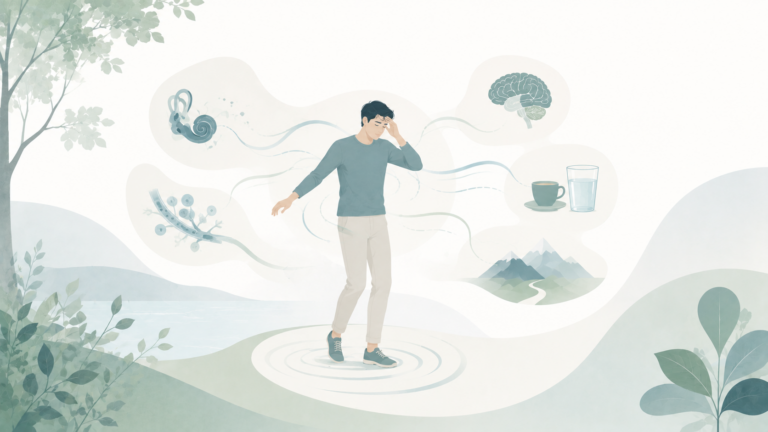
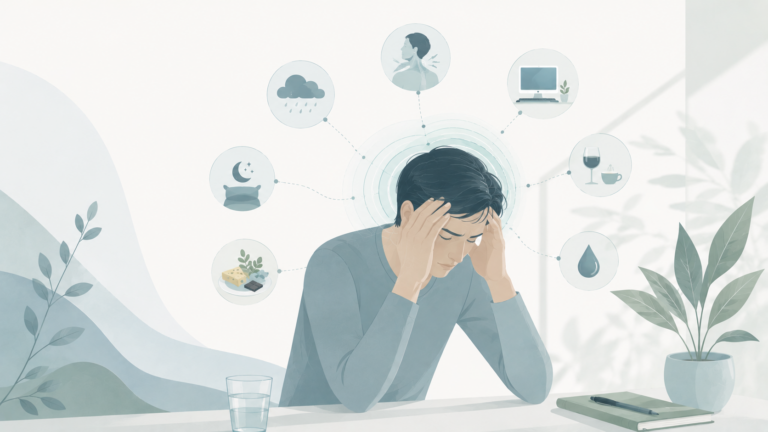
Feeling lightheaded when you stand up is usually caused by a brief drop in blood flow to the brain as your body adjusts to the change in position. Common triggers include dehydration, low blood sugar, inner ear issues, certain medications, and low blood pressure. It’s usually harmless, but frequent or severe episodes are worth mentioning to a doctor.
Why This Happens
When you stand, gravity pulls blood toward your legs. Your body normally compensates within seconds by tightening blood vessels and adjusting your heart rate to keep blood flowing to your brain. When that adjustment lags even slightly, your brain briefly gets less blood and oxygen than it needs, and that’s the lightheaded feeling.
For most people, this correction happens too fast to notice. For others, especially when dehydrated, tired, or standing up quickly after sitting a long time, the gap is just long enough to feel.
Common Causes
Dehydration
Not having enough fluid in your body lowers your blood volume, which makes it harder for your body to keep blood pressure steady when you stand. See signs of dehydration for other clues to watch for.
Low Blood Pressure
Some people naturally run on the low side, and for them, standing up is one of the most common moments symptoms show up. My guide on low blood pressure symptoms goes into this specific pattern in more depth.
Low Blood Sugar
If it’s been a while since you’ve eaten, or you have a condition that affects blood sugar, standing up can trigger lightheadedness alongside shakiness or a sudden urge to eat.
Inner Ear Issues
The inner ear plays a big role in balance. Infections, inflammation, or other inner ear conditions can cause a spinning or unsteady feeling that’s triggered or worsened by changes in position. If this is confirmed as the cause, a doctor may walk you through repositioning techniques, like the Epley maneuver, to help settle it.
Medications
Blood pressure medications, antidepressants, and some other prescriptions can affect how quickly your body adjusts when you stand. If this started after a new medication, it’s worth mentioning to your doctor.
Anemia
Low iron or red blood cell levels can leave your body with less oxygen-carrying capacity, which can make lightheadedness more likely, especially with sudden movement.
Anxiety
The physical sensations of anxiety can sometimes overlap with or intensify the ordinary dizziness of standing up quickly. My guide on physical symptoms of anxiety covers this overlap in more detail.
What May Help
Standing up slowly, especially first thing in the morning, gives your body more time to adjust. Sitting on the edge of the bed for a moment before standing fully, and flexing your ankles a few times, can help get blood moving before you’re upright.
Staying hydrated, eating regularly, and not skipping meals can reduce how often this happens. If it’s frequent, keeping a simple note of when it occurs, what you’d eaten, and how you were standing can help a doctor narrow down the cause.
When It’s Worth Paying Attention To
Occasional brief lightheadedness that resolves in a few seconds is usually harmless. See a doctor if it happens often, lasts more than a few seconds, or is starting to affect daily life. Seek urgent care if it comes with fainting, chest pain, confusion, or a pounding heartbeat that doesn’t settle quickly.
FAQ:
Occasional lightheadedness is common, but if it happens every time, it’s worth mentioning to a doctor to rule out an underlying cause.
Yes. Even mild dehydration can lower blood volume enough to make standing up feel unsteady.
Not necessarily, but frequent episodes still deserve attention, even without fainting.
The Bottom Line
Feeling lightheaded when you stand up usually has a simple explanation, and in most cases, it’s your body needing a moment to catch up, not a sign of anything serious. In my experience, paying attention to when and how often it happens tells you far more than any single episode does. If it keeps happening regularly, it’s worth having it checked rather than working around it.