PCOS: Signs and Symptoms

Irregular periods, stubborn weight changes, acne that won’t go away, or hair growing in places you don’t expect, on their own, any of these could have a dozen explanations. Most women end up chasing down each one separately, without ever connecting the dots.
But when several of them show up together, it’s worth looking at the bigger pattern. PCOS is one of the most common hormonal conditions, and also one of the most misunderstood.
As a midwife, I don’t diagnose it myself, that’s a gynecologist’s job, with bloodwork and an ultrasound. But I sometimes notice a woman describing several of these symptoms together, an unpredictable cycle along with one or two others, and my role in that moment is usually to say the combination is worth getting checked.
Medical Disclaimer
This article is provided for general educational and informational purposes only and does not constitute medical advice, diagnosis, or treatment. While the content is written with input from a licensed healthcare professional, reading this article does not create a nurse-patient, provider-patient, or any other professional relationship between you and the author or Vida Atlas.
The information here is general in nature and is not a substitute for personalized medical advice from your own doctor or qualified healthcare provider, who can take your full medical history and individual circumstances into account. Always consult your doctor or another qualified healthcare provider with any questions you may have regarding a medical condition, and never disregard professional medical advice or delay seeking it because of something you read on this site.
If you think you may have a medical emergency, call your local emergency number or go to the nearest emergency room immediately. Do not rely on this article for urgent or emergency medical situations.
Vida Atlas and the author make no representations or warranties about the accuracy, completeness, or timeliness of the information provided, and disclaim liability for any actions taken or not taken based on the content of this article.
Quick Answer
PCOS, or polycystic ovary syndrome, is a hormonal condition that can cause irregular periods, excess hair growth, acne, and weight changes, along with difficulty getting pregnant. It affects how the ovaries work and is one of the most common causes of irregular ovulation.
What Does PCOS Feel Like?
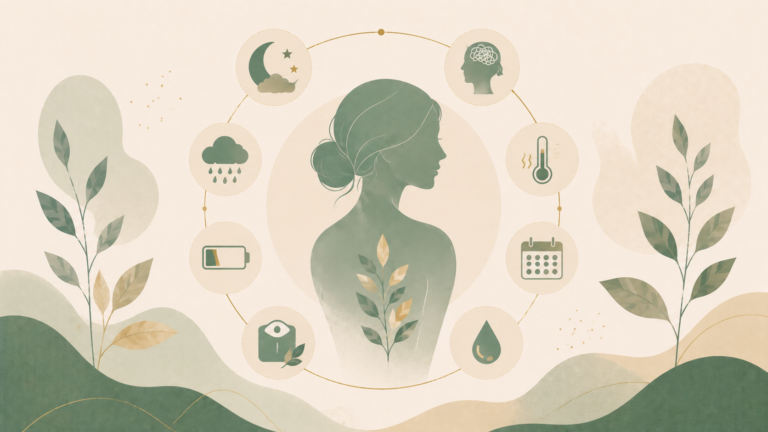
PCOS doesn’t look the same for every woman. Some notice changes in their cycle first. Others are more bothered by skin or hair changes, and some only find out during fertility testing. It’s also common to have PCOS with almost no obvious symptoms at all, which is part of why it often goes undiagnosed for years.
Irregular or Missing Periods
Cycles may be unpredictable, unusually long, or absent for months at a time. See Irregular Periods Explained for a broader look at cycle changes.
Excess Hair Growth
Some women notice more hair on the face, chest, or back than usual, a pattern related to higher androgen levels. It often shows up in a different pattern than typical body hair, which is part of what makes it noticeable.
Acne and Oily Skin
Hormonal acne, often along the jawline and chin, can flare up or persist well past the teenage years. Many women are surprised that standard acne treatments alone don’t fully clear it, since the cause is hormonal, not just topical.
Weight Changes
Weight gain, especially around the abdomen, can happen more easily, and losing weight can feel harder than expected, even with consistent effort.
Thinning Hair
Hair on the scalp may thin, while hair elsewhere on the body grows more than before. It can be one of the more distressing symptoms, since it often happens gradually enough to go unnoticed until it’s already visible to others.
Difficulty Getting Pregnant
Because PCOS can affect ovulation, it’s one of the more common causes of fertility struggles, though many women with PCOS do go on to have children.
Why PCOS Happens
Researchers don’t fully understand what causes PCOS, but it’s linked to a combination of higher androgen levels, insulin resistance, and genetics. It often runs in families, and having a mother or sister with PCOS raises your own likelihood of having it too. If you’ve also noticed other shifts in your body, my guide on signs of hormonal changes may help you spot the bigger pattern.
How Doctors Diagnose PCOS
There’s no single test for PCOS. A healthcare provider will usually look at:
- Your menstrual history.
- Blood tests to check hormone levels.
- Signs of excess androgen, like acne or hair growth.
- An ultrasound to look at the ovaries.
You typically need at least two of three main features, irregular ovulation, signs of excess androgens, and ovarian cysts on ultrasound, for a PCOS diagnosis. It’s rarely a single-appointment answer, and that’s normal, not a sign something was missed.
What You Can Do
Lifestyle changes such as regular movement, balanced meals, and consistent sleep can help manage PCOS symptoms for many women. Even a modest reduction in weight, when relevant, can improve ovulation and hormone levels.
Treatment isn’t one-size-fits-all. Some women benefit from hormonal birth control to regulate cycles, others from medication that improves insulin sensitivity, and some need a combination of approaches depending on their goals, especially around fertility.
When to See a Doctor
Consider speaking with a healthcare professional if:
- Your periods are irregular or absent for several months.
- You’re noticing new or worsening acne, hair growth, or hair thinning.
- You’ve been trying to get pregnant without success.
- You’re concerned about your risk for related conditions like diabetes.
A healthcare provider can help confirm whether PCOS is the cause and build a treatment plan around your specific symptoms and goals.
Conclusion
PCOS is common, but it doesn’t always look the way people expect, and it’s rarely just about periods. In my experience, getting an accurate diagnosis is often the hardest part; once you have one, there are real, workable options. If your cycle has felt unpredictable, my guide on irregular periods explained is a good next read.