Hormonal Acne: Causes and Care

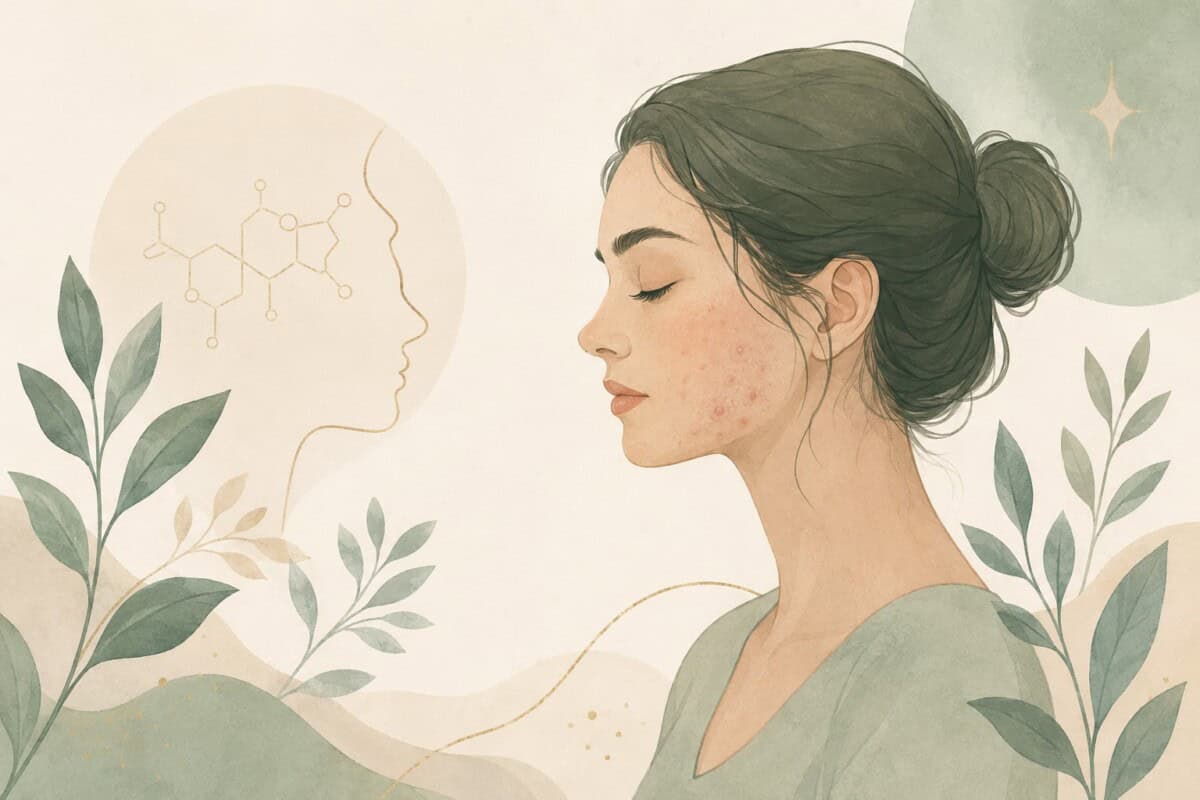
You’ve tried the cleansers, the spot treatments, maybe even a new pillowcase, but the breakouts keep coming back. When acne repeatedly shows up along the jaw, chin, or neck, especially around the same point in your cycle, that pattern can be a clue that hormones are playing a role.
I know that frustration myself. My teenage years were long behind me, but my skin problems never really went away and eventually became worse. Getting the right treatment helped me understand why skincare alone wasn’t enough. Hormonal acne often needs a different approach because what is happening on your skin may be connected to hormonal changes underneath.
Medical Disclaimer
This article is provided for general educational and informational purposes only and does not constitute medical advice, diagnosis, or treatment. While the content is written with input from a licensed healthcare professional, reading this article does not create a nurse-patient, provider-patient, or any other professional relationship between you and the author or Vida Atlas.
The information here is general in nature and is not a substitute for personalized medical advice from your own doctor or qualified healthcare provider, who can take your full medical history and individual circumstances into account. Always consult your doctor or another qualified healthcare provider with any questions you may have regarding a medical condition, and never disregard professional medical advice or delay seeking it because of something you read on this site.
If you think you may have a medical emergency, call your local emergency number or go to the nearest emergency room immediately. Do not rely on this article for urgent or emergency medical situations.
Vida Atlas and the author make no representations or warranties about the accuracy, completeness, or timeliness of the information provided, and disclaim liability for any actions taken or not taken based on the content of this article.
Quick Answer
Hormonal acne is breakouts caused by shifts in hormones, especially androgens, not just by your skincare routine. It usually shows up along the jawline, chin, and neck. It tends to flare around your period, and it often does not fully clear with regular over-the-counter treatments.
What Hormonal Acne Looks Like
Hormonal acne has a fairly recognizable pattern once you know what to look for. It’s not the same as the acne most people had as teenagers, and it usually behaves differently too. Where the breakouts appear, when they flare, and the type of spots you get can all help you recognize whether hormones may be playing a role.
Where It Shows Up
The lower third of the face is the classic spot, jaw, chin, and around the mouth, sometimes down the neck. It tends to show up as deep, tender bumps instead of the small surface pimples common in teenage acne.
When It Flares
Many women notice a clear pattern tied to their cycle. Breakouts may show up in the week before their period and calm down once it starts. That timing can be an important clue that hormones are contributing to the breakouts. Keeping track of when your skin flares for a few cycles can make that pattern much easier to spot.
How It’s Different From Teenage Acne
Teenage acne tends to spread across the forehead, nose, and cheeks. Hormonal acne sits lower on the face. It tends to be more cystic and painful, and it is often harder to treat with the drugstore products that worked in your teens.
Why Hormonal Acne Happens
Androgens are a group of hormones everyone has. They can cause the skin’s oil glands to make more oil than usual. That extra oil, mixed with dead skin cells, clogs pores and leads to breakouts. Androgen levels naturally rise and fall across your cycle, which is why breakouts often follow a predictable monthly pattern.
For some women, ongoing hormonal acne is part of a larger pattern, including PCOS, which can involve higher androgen levels along with irregular cycles and other symptoms. If acne is showing up along with changes to your cycle, it is worth looking at the full picture instead of treating each symptom on its own.
What Can Make It Worse
Certain Skincare Products
Heavy, pore-clogging products can add to the problem instead of helping it. Switching to oil-free, non-clogging formulas is a simple change that can sometimes make a real difference on its own.
Stress
Stress raises cortisol, which can increase oil production and inflammation in the skin. Many women notice their skin gets worse during stressful stretches, even when their routine has not changed.
Stopping or Switching Birth Control
Some birth control methods help keep hormonal acne in check. Stopping or switching them can trigger a flare while your body adjusts. This is common and usually settles down, but it helps to know about it in advance.
What You Can Do
A few steps tend to help most, from simple daily habits to options a dermatologist can offer for more stubborn cases:
- Cleanse twice a day and use noncomedogenic, oil-free products.
- Avoid over-scrubbing, since it can make inflammation worse.
- Try over-the-counter ingredients like salicylic acid or benzoyl peroxide for mild breakouts.
- Ask a dermatologist about topical retinoids or hormonal treatments, such as certain birth control pills or spironolactone, for deeper or persistent breakouts.
- Watch your diet if you’re curious, some women notice fewer flares when they cut back on high-sugar and high-dairy foods, though diet alone does not cause hormonal acne.
When to See a Doctor
Consider speaking with a healthcare professional if:
- Over-the-counter treatments haven’t helped after a few months of consistent use.
- Breakouts are deep, painful, or leaving scars.
- Acne is showing up alongside irregular periods, excess hair growth, or other new symptoms.
- It’s affecting your confidence or mental health day to day.
A dermatologist can help treat the acne directly. If there are signs of a larger hormonal pattern, your primary care provider or gynecologist can help look into that side of it too.
Conclusion
Hormonal acne can feel discouraging, especially when you’ve tried different products and the same breakouts keep coming back. What I wish I had understood sooner is that sometimes the answer isn’t another cleanser or treatment for the skin itself. Paying attention to where acne appears, when it flares, and what is happening with your cycle can give you a much clearer picture.
That doesn’t mean every breakout has a hormonal cause, but recurring patterns are worth paying attention to. And if something about your skin has felt “off” for a while, it may be worth looking at the bigger picture rather than continuing to switch products. If your skin changes have come with other shifts in your cycle, my guide on PCOS signs and symptoms is a good next read.