Irregular Periods Explained


Have you ever felt like your period has a mind of its own? One month it arrives right on time. The next month it’s early, late, lighter than usual, or doesn’t show up at all. After a while, it’s natural to start wondering whether something is wrong.
The truth is that menstrual cycles aren’t always perfectly predictable. Small changes can happen from time to time. In my own practice, this is one of the questions I try to slow down and unpack rather than reassure away too quickly, since the answer really does depend on the details. But when periods become consistently irregular, it’s often worth taking a closer look at what’s going on.
Medical Disclaimer
This article is provided for general educational and informational purposes only and does not constitute medical advice, diagnosis, or treatment. While the content is written with input from a licensed healthcare professional, reading this article does not create a nurse-patient, provider-patient, or any other professional relationship between you and the author or Vida Atlas.
The information here is general in nature and is not a substitute for personalized medical advice from your own doctor or qualified healthcare provider, who can take your full medical history and individual circumstances into account. Always consult your doctor or another qualified healthcare provider with any questions you may have regarding a medical condition, and never disregard professional medical advice or delay seeking it because of something you read on this site.
If you think you may have a medical emergency, call your local emergency number or go to the nearest emergency room immediately. Do not rely on this article for urgent or emergency medical situations.
Vida Atlas and the author make no representations or warranties about the accuracy, completeness, or timeliness of the information provided, and disclaim liability for any actions taken or not taken based on the content of this article.
Quick Answer
Irregular periods are periods that don’t follow a predictable pattern. They can happen for many reasons, including stress, hormone changes, weight fluctuations, thyroid problems, PCOS, pregnancy, perimenopause, or certain medical conditions. Sometimes the cause is temporary, and sometimes it may need further evaluation.
What’s Actually Happening in Your Body
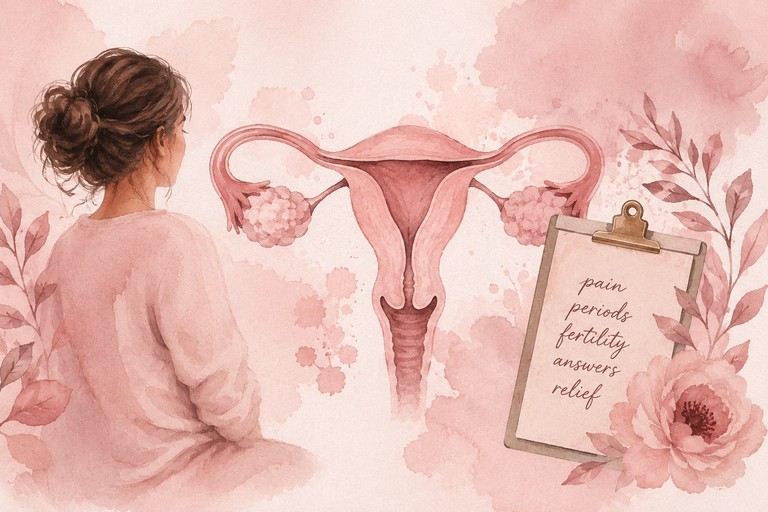
Your menstrual cycle is controlled by hormones. The brain, ovaries, thyroid gland, and other parts of the body all communicate with each other to regulate ovulation and menstruation.
When something disrupts that balance, ovulation may happen later than expected, happen irregularly, or not happen during a particular cycle. As a result, your period may arrive early, arrive late, become unpredictable, or occasionally be missed altogether.
What Counts as an Irregular Period?
Not every cycle has to be exactly the same length. A cycle that’s off by a day or two once in a while is usually not a major concern. Periods may be considered irregular if:
- The length of your cycle changes significantly from month to month
- You regularly skip periods
- Your periods arrive much earlier or later than expected
- Bleeding patterns change noticeably
- The time between periods becomes unpredictable
Common Causes of Irregular Periods
Stress
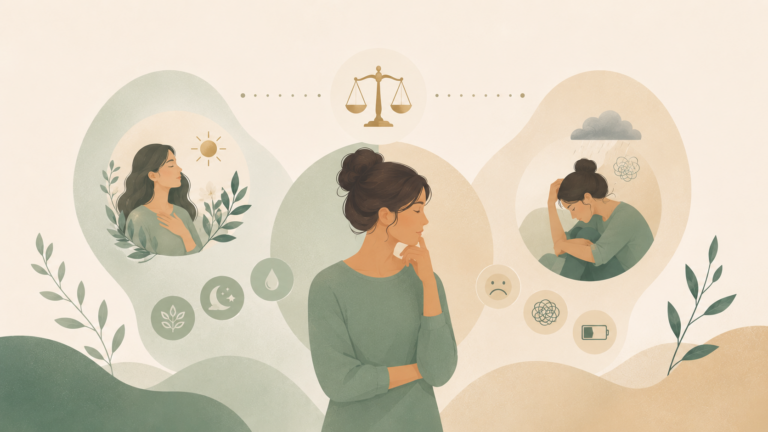
Stress can affect the hormones involved in ovulation. Emotional stress, lack of sleep, major life changes, illness, or ongoing anxiety may temporarily change your cycle. Learn more in Stress and Your Cycle. This is one of the most common reasons periods suddenly become less predictable.
Significant Weight Changes
Rapid weight loss, restrictive dieting, or significant weight gain can affect hormone production. The body often responds to major changes in energy balance, and menstrual cycles may change as a result.
Polycystic Ovary Syndrome (PCOS)
PCOS is one of the most common causes of irregular periods. Women with PCOS may experience infrequent periods, missed periods, acne, excess hair growth, or difficulty managing weight.
Thyroid Problems
The thyroid helps regulate many processes throughout the body. When the thyroid is underactive or overactive, menstrual cycles can become irregular.
Pregnancy
A missed period is often one of the earliest signs of pregnancy. If pregnancy is possible, taking a home pregnancy test is usually a good first step. If your period is late rather than simply unpredictable, my guide on why your period might be late goes into more detail.
Perimenopause
As women approach menopause, hormone levels begin to fluctuate more. Periods often become less predictable during this stage of life. You may notice changes in timing, flow, or cycle length.
Intense Exercise
Very high levels of physical activity can sometimes affect ovulation. This is more likely when intense exercise is combined with low calorie intake.
Certain Medications
Some medications may affect hormone levels or menstrual patterns. Hormonal birth control can also change bleeding patterns, especially when starting or stopping treatment.
How to Tell What’s Causing It
Start by looking at the bigger picture. Ask yourself:
- Have I been under more stress recently?
- Have I gained or lost weight?
- Have I changed my exercise routine?
- Could I be pregnant?
- Am I approaching menopause?
- Have I started a new medication?
One thing that often stands out is that periods rarely change completely on their own without some change happening elsewhere in the body. Tracking symptoms can help identify patterns that aren’t obvious at first.
What You Can Do
If irregular periods are a new development, keeping track of your cycle can be very helpful. Consider:
- Recording period dates
- Tracking symptoms
- Monitoring changes in flow
- Noting lifestyle changes
- Logging stress levels
It’s also worth focusing on sleep, nutrition, stress management, and regular physical activity. In some cases, periods become more regular once an underlying issue improves.
When to See a Doctor
It’s a good idea to speak with a healthcare professional if:
- You regularly skip periods
- Your cycles become suddenly unpredictable
- Bleeding is very heavy
- You bleed between periods
- Periods stop for several months without pregnancy
- You have symptoms such as severe acne, unusual hair growth, or unexplained weight changes
- You’re concerned about fertility
A healthcare provider may recommend blood tests, hormone testing, or other evaluations depending on your symptoms.
Conclusion
Irregular periods can happen for many different reasons, and not all of them are cause for concern. However, if changes continue, become more noticeable, or are affecting your quality of life, it’s worth finding out why.
If mood or physical symptoms also spike before your period, see PMS or PMDD? In my experience, understanding what’s happening in your body is often the first step toward getting the right support. For a full overview of common period symptoms and what they usually mean, see my complete guide to period symptoms.