Why Is My Period Late?

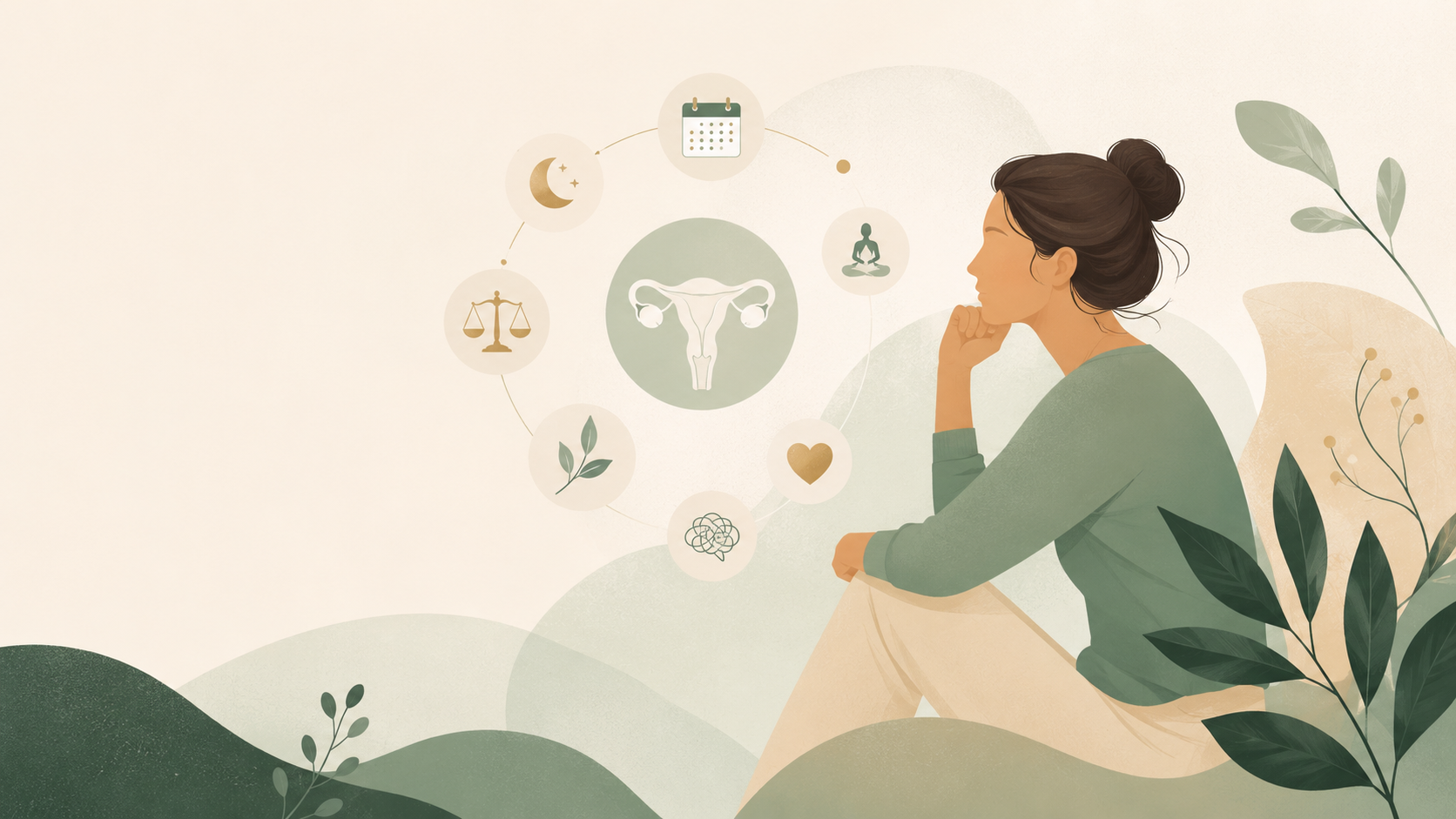
Have you ever checked your calendar, realized your period should have arrived days ago, and immediately started wondering what’s going on? A late period can feel stressful, especially if your cycle is usually predictable. Your mind may jump straight to pregnancy, but that’s only one possible explanation.
This is something that shows up more often than people expect. Working in healthcare, I’ve seen that many women assume something must be seriously wrong when their period is a few days late, but in many cases, the reason is temporary and manageable.
Medical Disclaimer
This article is provided for general educational and informational purposes only and does not constitute medical advice, diagnosis, or treatment. While the content is written with input from a licensed healthcare professional, reading this article does not create a nurse-patient, provider-patient, or any other professional relationship between you and the author or Vida Atlas.
The information here is general in nature and is not a substitute for personalized medical advice from your own doctor or qualified healthcare provider, who can take your full medical history and individual circumstances into account. Always consult your doctor or another qualified healthcare provider with any questions you may have regarding a medical condition, and never disregard professional medical advice or delay seeking it because of something you read on this site.
If you think you may have a medical emergency, call your local emergency number or go to the nearest emergency room immediately. Do not rely on this article for urgent or emergency medical situations.
Vida Atlas and the author make no representations or warranties about the accuracy, completeness, or timeliness of the information provided, and disclaim liability for any actions taken or not taken based on the content of this article.
Quick Answer
A period can be late for many reasons, including stress, illness, changes in weight, intense exercise, hormone fluctuations, pregnancy, or certain medical conditions. Sometimes a cycle simply shifts by a few days. A single late period isn’t always a sign that something is wrong.
What’s Actually Happening in Your Body
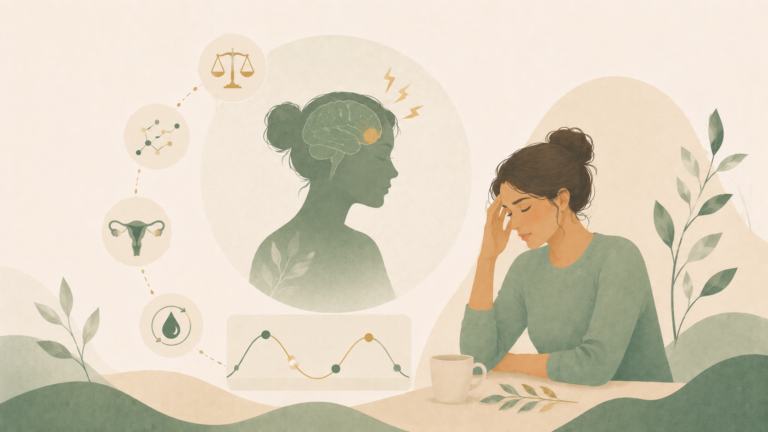
Your menstrual cycle is controlled by a delicate balance of hormones. The brain, ovaries, thyroid gland, and other parts of the body all work together to trigger ovulation and menstruation.
When something disrupts that process, ovulation may happen later than usual, or not happen at all during that cycle. When ovulation is delayed, your period is delayed too. That’s why many different things can affect when your period arrives.
Common Causes of a Late Period
Pregnancy
If you’ve had unprotected sex or a birth control failure, pregnancy is one of the first things to consider. Some women notice a missed period before any other symptoms appear. Others may experience breast tenderness, nausea, fatigue, or increased urination. A home pregnancy test is usually most accurate after your period is already late.
Stress
Stress can affect hormones that help regulate your cycle. Emotional stress, work pressure, relationship problems, exams, financial worries, or major life changes can sometimes delay ovulation. My guide on stress and your cycle explains this connection in more depth. Even if you don’t feel overwhelmed, your body may still respond to ongoing stress behind the scenes.
Recent Illness
Being sick can temporarily affect your menstrual cycle. A flu, stomach virus, high fever, infection, or even recovery from an illness may cause your period to arrive later than expected. The body often prioritizes healing before reproductive functions.
Weight Loss or Weight Gain
Significant changes in body weight can affect hormone production. Rapid weight loss, restrictive dieting, or major weight gain may interfere with ovulation and change the timing of your period. Sometimes even a moderate change can affect sensitive cycles.
Intense Exercise
Exercise is healthy, but very intense training can sometimes disrupt periods. This is more common in endurance athletes or people who combine heavy exercise with low calorie intake. The body may interpret this as a period of physical stress.
Polycystic Ovary Syndrome (PCOS)
PCOS is a common hormone-related condition that can cause irregular or missed periods. Other possible signs include acne, increased facial or body hair, and difficulty managing weight. Not everyone with PCOS has the same symptoms.
Thyroid Problems
The thyroid gland helps regulate many functions throughout the body, including the menstrual cycle. Both an underactive thyroid and an overactive thyroid can lead to irregular or delayed periods.
Perimenopause
If you’re in your 40s, hormone levels may start fluctuating as your body moves toward menopause. For a broader look at unpredictable cycles, see Irregular Periods Explained. Periods may become earlier, later, lighter, heavier, or more unpredictable than they used to be.
Birth Control Changes
Starting, stopping, or switching hormonal birth control can affect your cycle for a while. It may take a few months for periods to settle into a new pattern.
How to Tell What’s Causing It
Start by thinking about what has changed recently. Ask yourself:
- Have I been under more stress than usual?
- Have I been sick recently?
- Have I gained or lost weight?
- Have I changed my exercise routine?
- Could I be pregnant?
- Did I start or stop any medications or birth control?
Looking at the bigger picture often provides useful clues. Tracking your cycle in an app can also help you notice patterns over time.
What You Can Do
If your period is only a few days late, it may be reasonable to give your body a little time. You can also:
- Take a pregnancy test if pregnancy is possible
- Try to manage stress levels
- Get enough sleep
- Eat regular, balanced meals
- Avoid extreme dieting
- Continue tracking your cycle
In many cases, the period arrives on its own without treatment.
When to See a Doctor
It’s a good idea to speak with a healthcare professional if:
- Your period is more than a few weeks late and pregnancy has been ruled out
- You regularly miss periods
- Your cycles have suddenly become very irregular
- You have severe pelvic pain
- You experience unusually heavy bleeding
- You have symptoms such as significant hair growth, acne, or unexplained weight changes
- You suspect a hormone-related condition
A healthcare provider may recommend blood tests, hormone testing, or other evaluations depending on your symptoms.
Conclusion
A late period can be frustrating and worrying, but it doesn’t automatically mean something is seriously wrong.
Stress, illness, lifestyle changes, hormone fluctuations, and pregnancy are some of the most common reasons. If your cycle continues to be irregular or something doesn’t feel right, it’s worth checking in with your healthcare provider. For a full overview of common period symptoms and what they usually mean, see my complete guide to period symptoms.