Low Estrogen Symptoms

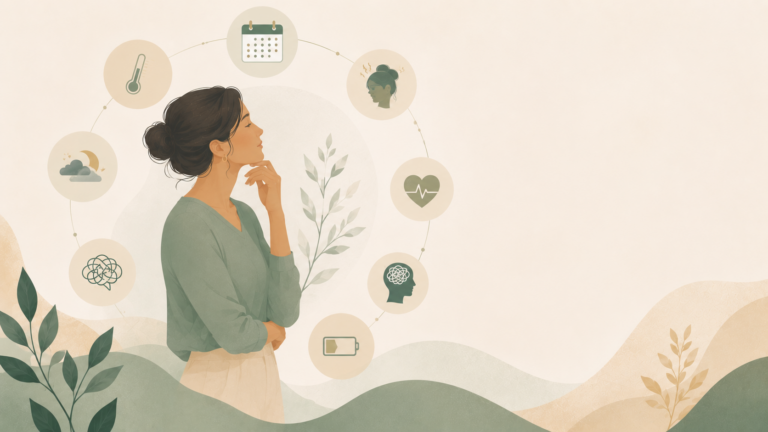
Have you been feeling different lately, but can’t quite explain why? Maybe you’re waking up during the night, feeling less interested in sex, struggling with mood changes, or noticing that your periods aren’t as predictable as they used to be. At first, it’s easy to blame stress, a busy schedule, or simply getting older.
The challenge is that low estrogen doesn’t cause just one symptom. It can affect several parts of the body at the same time, which is why the signs are often easy to miss. I’ve had patients list off three or four unrelated complaints before either of us realized they were all pointing to the same thing.
Medical Disclaimer
This article is provided for general educational and informational purposes only and does not constitute medical advice, diagnosis, or treatment. While the content is written with input from a licensed healthcare professional, reading this article does not create a nurse-patient, provider-patient, or any other professional relationship between you and the author or Vida Atlas.
The information here is general in nature and is not a substitute for personalized medical advice from your own doctor or qualified healthcare provider, who can take your full medical history and individual circumstances into account. Always consult your doctor or another qualified healthcare provider with any questions you may have regarding a medical condition, and never disregard professional medical advice or delay seeking it because of something you read on this site.
If you think you may have a medical emergency, call your local emergency number or go to the nearest emergency room immediately. Do not rely on this article for urgent or emergency medical situations.
Vida Atlas and the author make no representations or warranties about the accuracy, completeness, or timeliness of the information provided, and disclaim liability for any actions taken or not taken based on the content of this article.
Quick Answer
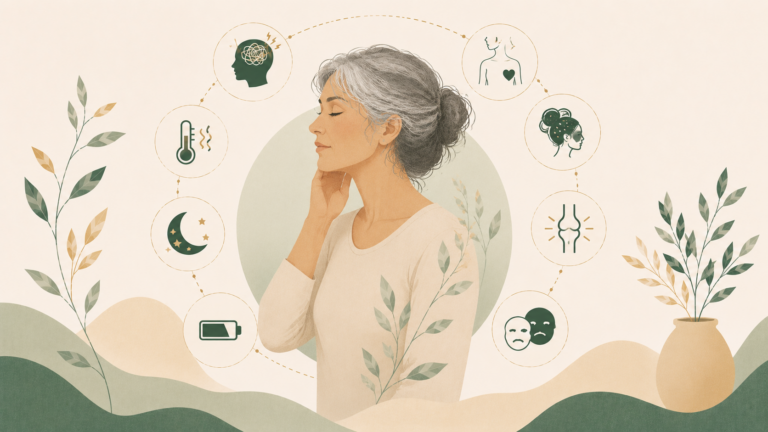
Low estrogen can cause symptoms such as irregular periods, hot flashes, night sweats, vaginal dryness, sleep problems, mood changes, and lower libido. While it’s often associated with perimenopause and menopause, it can happen at other stages of life as well.
What Does Low Estrogen Feel Like?
Low estrogen doesn’t look the same for everyone. Some women notice changes in their menstrual cycle first. Others are more bothered by sleep problems, hot flashes, or vaginal dryness.
One thing that often surprises women is that low estrogen doesn’t always show up as a reproductive symptom first. Sometimes the earliest signs involve sleep, mood, or changes in overall well-being.
Irregular Periods
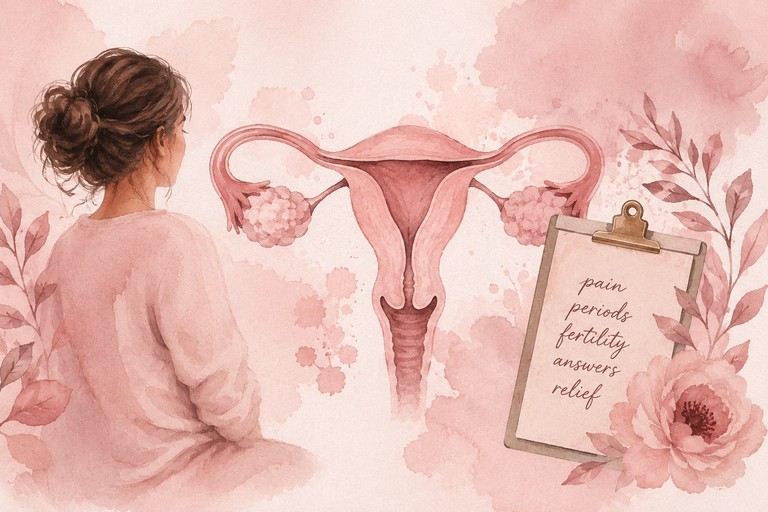
Periods may become lighter, less frequent, or harder to predict. In some cases, periods may stop altogether. See Irregular Periods Explained for a broader look at cycle changes.
Hot Flashes and Night Sweats
You may suddenly feel a wave of heat in your face, neck, or chest. Night sweats can wake you up during sleep and leave you feeling tired the next day.
Vaginal Dryness
Lower estrogen can affect the tissues of the vagina. This may cause dryness, irritation, itching, or discomfort during sex. Read more in Vaginal Dryness Causes.
Lower Sex Drive
Some women notice a decrease in sexual desire, and this can happen for several reasons, including hormone changes, sleep disruption, and vaginal discomfort.
Sleep Problems
You may have trouble falling asleep or staying asleep. Sometimes hot flashes are the main reason. In other cases, sleep simply becomes less restorative.
Mood Changes
Some women report feeling more anxious, irritable, emotional, or unlike themselves, though hormones aren’t always the only factor, they can play a role.
Brain Fog
You may find yourself forgetting words, losing focus, or feeling mentally slower than usual. Many women describe this as feeling “not quite as sharp” as they normally do.
Dry Skin
Estrogen helps support skin hydration, and when levels decline, skin may feel drier or less elastic than before.
Why Estrogen Matters
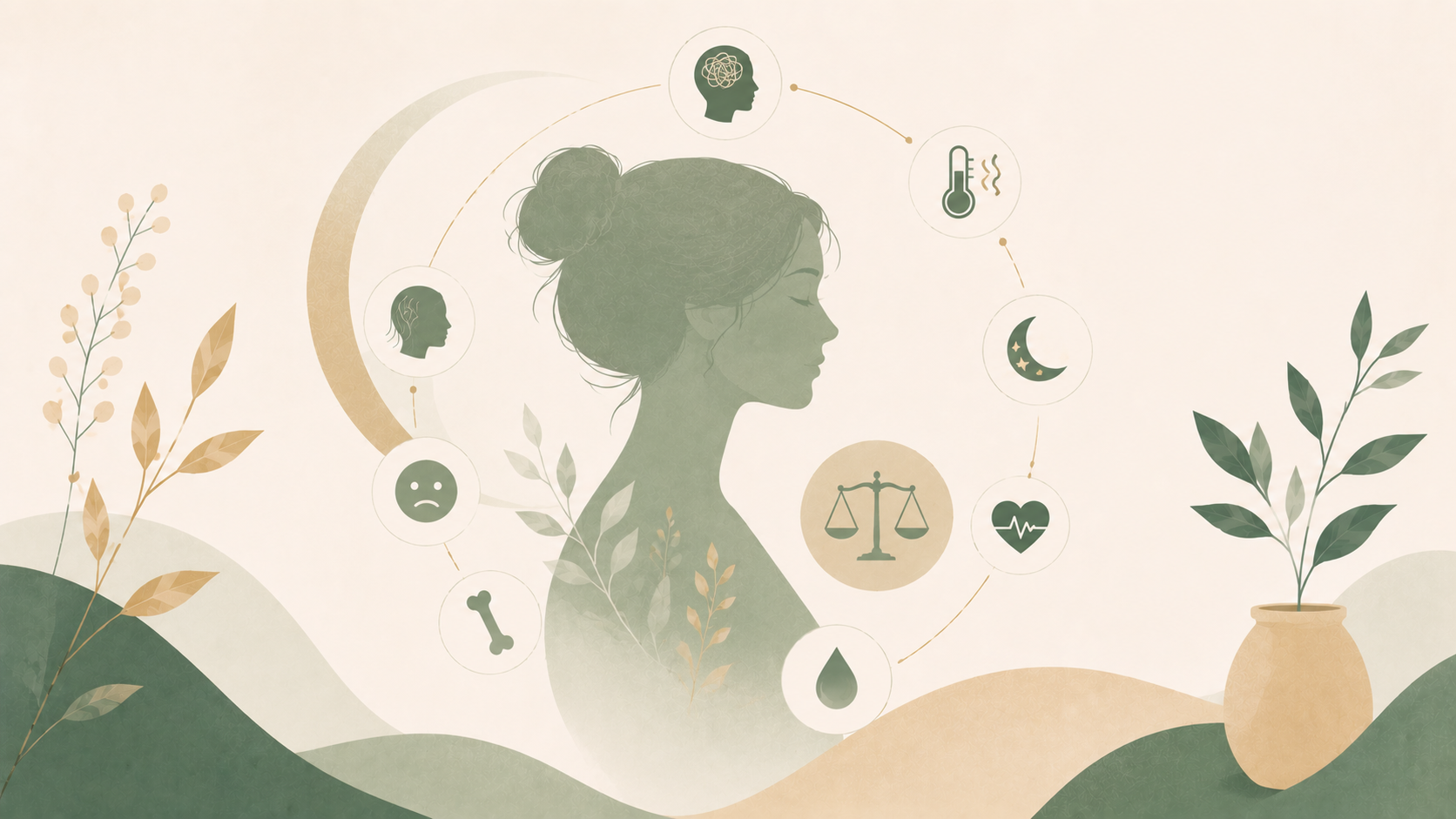
Estrogen is involved in much more than reproduction. It helps regulate the menstrual cycle, but it also affects the brain, bones, skin, vaginal tissues, and the body’s temperature regulation system. That’s why low estrogen can cause symptoms in several different areas at once.
What Can Cause Low Estrogen?
Perimenopause and Menopause
This is one of the most common causes. As the ovaries gradually produce less estrogen, symptoms often begin to appear. My guide to common menopause symptoms covers this stage in more detail.
Premature Ovarian Insufficiency
In some cases, the ovaries stop functioning normally before age 40, which can lead to lower estrogen levels earlier than expected.
Significant Weight Loss
Rapid weight loss, restrictive eating, or very low body fat levels can affect hormone production, since the body may reduce reproductive hormone activity when energy availability becomes too low.
Intense Exercise
High levels of physical activity combined with insufficient calorie intake can sometimes lower estrogen levels. This is more common in endurance athletes and highly active individuals.
Thyroid Disorders
Some thyroid conditions can affect menstrual cycles and hormone balance, and symptoms may sometimes overlap with those of low estrogen.
Certain Medical Treatments
Surgery involving the ovaries, chemotherapy, radiation therapy, and some medications may reduce estrogen production.
How Doctors Evaluate Low Estrogen
Symptoms alone don’t always provide the full answer, since many symptoms associated with low estrogen can also occur with stress, thyroid disorders, sleep problems, or other health conditions. A healthcare provider will usually look at:
- Your age
- Menstrual history
- Current symptoms
- Medications
- Overall health
In some cases, blood tests may be recommended as part of the evaluation.
What You Can Do
If you suspect low estrogen may be contributing to your symptoms, pay attention to patterns rather than focusing on a single symptom. For example:
- irregular periods plus hot flashes
- vaginal dryness plus lower libido
- sleep problems plus night sweats
These combinations often provide more useful clues than one symptom alone. Keeping a simple symptom diary can make it easier to notice patterns and discuss them with a healthcare provider. If symptoms are affecting your quality of life, it’s worth seeking medical advice rather than trying to self-diagnose.
When to See a Doctor
Consider speaking with a healthcare professional if:
- Periods become irregular or stop unexpectedly
- Hot flashes or night sweats interfere with daily life
- Vaginal dryness causes ongoing discomfort
- Sleep problems become persistent
- Symptoms appear suddenly
- You’re concerned about possible hormone changes
A healthcare provider can help determine whether low estrogen may be contributing to your symptoms and discuss appropriate treatment options.
Conclusion
Low estrogen can affect much more than the menstrual cycle. Symptoms may show up as hot flashes, sleep problems, vaginal dryness, mood changes, or changes in your periods.
While these symptoms are often linked to perimenopause and menopause, they can occur for other reasons as well. In my experience, if something feels different than usual, it’s worth paying attention and discussing it with a healthcare professional.