Signs of Hormonal Changes

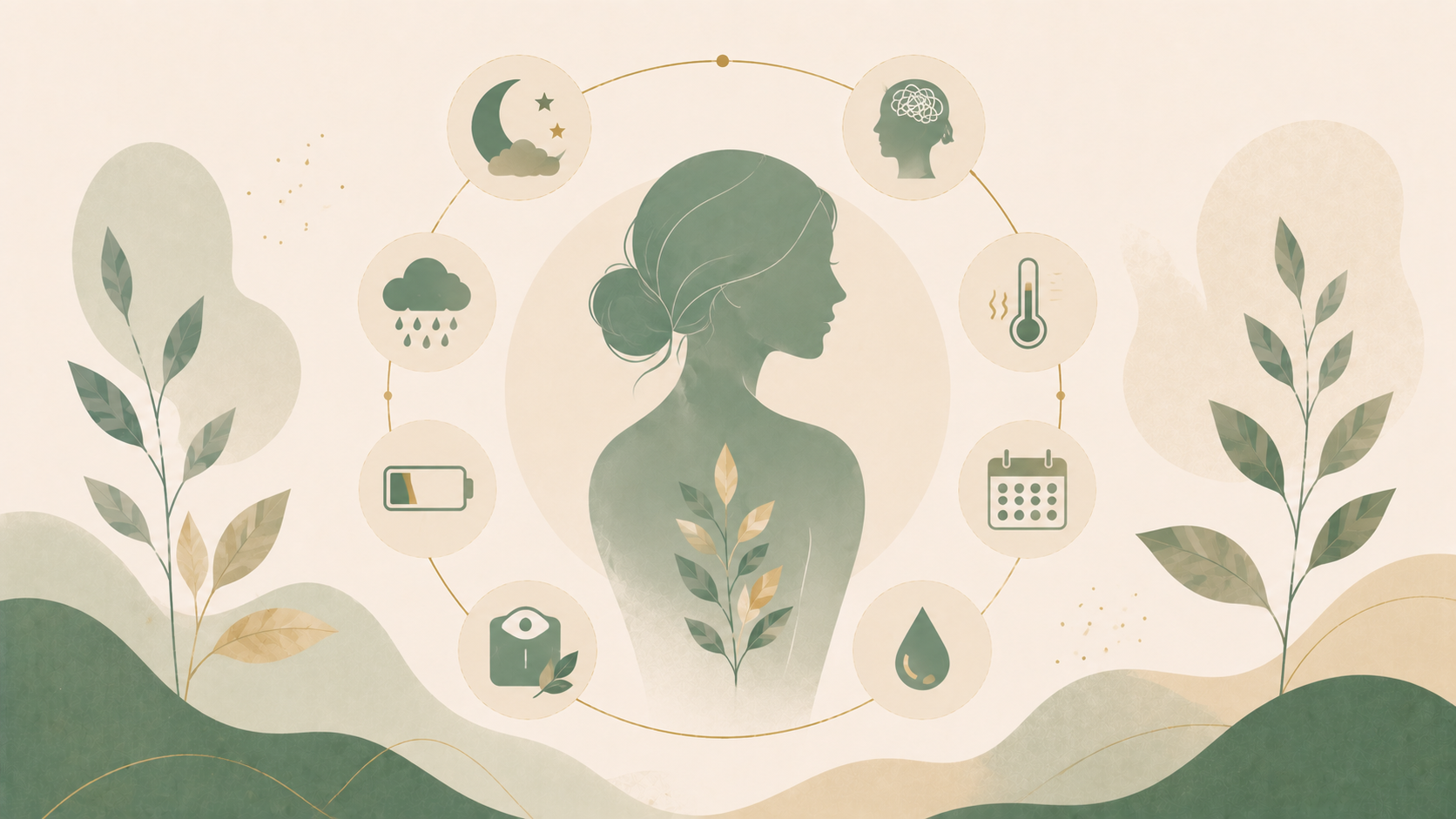
One month you’re sleeping normally. The next, you’re waking up at 3 a.m. every night. Maybe you’ve gained weight without changing your diet. Your periods are different, your skin has changed, or you’re feeling anxious for no obvious reason.
When several symptoms seem to appear at the same time, many women start wondering whether hormones could be involved. The tricky part is that “hormones” don’t just mean estrogen and menopause. Several different hormones can affect how you feel day to day.
Medical Disclaimer
This article is provided for general educational and informational purposes only and does not constitute medical advice, diagnosis, or treatment. While the content is written with input from a licensed healthcare professional, reading this article does not create a nurse-patient, provider-patient, or any other professional relationship between you and the author or Vida Atlas.
The information here is general in nature and is not a substitute for personalized medical advice from your own doctor or qualified healthcare provider, who can take your full medical history and individual circumstances into account. Always consult your doctor or another qualified healthcare provider with any questions you may have regarding a medical condition, and never disregard professional medical advice or delay seeking it because of something you read on this site.
If you think you may have a medical emergency, call your local emergency number or go to the nearest emergency room immediately. Do not rely on this article for urgent or emergency medical situations.
Vida Atlas and the author make no representations or warranties about the accuracy, completeness, or timeliness of the information provided, and disclaim liability for any actions taken or not taken based on the content of this article.
Quick Answer
Hormonal changes can affect energy levels, mood, sleep, weight, skin, appetite, menstrual cycles, and overall well-being. Common signs include irregular periods, fatigue, mood changes, sleep problems, hot flashes, vaginal dryness, weight changes, and changes in how your body tolerates stress.
What’s Actually Happening in Your Body?
Hormones act as chemical messengers that help different organs and systems communicate with each other. When hormone levels change, symptoms can sometimes appear in several areas of the body at once. That’s why hormonal changes don’t always look like a reproductive problem. Sometimes the first signs involve sleep, mood, energy levels, weight, or skin changes.
Not All Hormones Are Female Hormones
When people talk about hormones, they often think only about estrogen and progesterone, but in reality, several hormone systems can affect how you feel, including thyroid hormones, stress hormones, insulin, and reproductive hormones.
Signs Your Thyroid Hormones May Be Changing
The thyroid gland helps regulate metabolism, body temperature, energy levels, and many other functions.
When Thyroid Hormone Levels Are Too Low
Possible symptoms may include:
- Fatigue
- Weight gain
- Feeling cold more often
- Dry skin
- Constipation
- Heavier periods
- Low mood
When Thyroid Hormone Levels Are Too High
Possible symptoms may include:
- Weight loss
- Feeling unusually warm
- Shakiness or trembling
- Anxiety
- A racing heartbeat
- Difficulty sleeping
- Lighter or irregular periods
Many thyroid symptoms overlap with symptoms women often blame on reproductive hormones.
Stress Hormones and Cortisol
Cortisol has become a popular topic online, and many symptoms are often blamed on “high cortisol,” but the reality is usually more complicated. Cortisol naturally rises and falls throughout the day, so a single blood test doesn’t always provide a complete picture.
However, long-term stress can affect sleep, appetite, mood, energy levels, and even the menstrual cycle. Some women notice:
- More fatigue
- Trouble sleeping
- Increased anxiety
- Changes in appetite
- Changes in their periods
Signs Your Reproductive Hormones May Be Changing
Changes in estrogen and progesterone can affect many parts of the body, and possible signs include:
- Irregular periods
- Missed periods
- Hot flashes
- Night sweats
- Vaginal dryness
- Breast tenderness
- PMS changes
- Changes in libido
These symptoms often become more common during perimenopause and menopause, but they can occur at other stages of life as well. See Common Menopause Symptoms for a fuller picture.
Other Hormonal Conditions
Hormonal symptoms aren’t always caused by menopause or stress. Conditions such as polycystic ovary syndrome (PCOS), thyroid disorders, diabetes, and certain pituitary gland disorders can also affect hormone levels. This is one reason why persistent symptoms shouldn’t be ignored.
How to Tell What’s Causing It
One symptom alone rarely tells the whole story, since it’s usually the overall pattern that provides the most useful clues. Ask yourself:
- Have several symptoms appeared at the same time?
- Have my periods changed?
- Has my weight changed unexpectedly?
- Am I sleeping differently?
- Do symptoms seem connected to stress?
- Have symptoms developed gradually or suddenly?
One thing I’ve noticed over the years is that women often focus on a single symptom, while healthcare professionals usually look at the overall pattern. Hormonal changes rarely affect just one part of the body.
What You Can Do
If you think hormones may be contributing to your symptoms, start by tracking what you’re experiencing. It may help to record:
- Menstrual cycle changes
- Sleep patterns
- Energy levels
- Mood changes
- Weight changes
- Physical symptoms
This information can help reveal patterns that aren’t always obvious day to day. It’s also worth remembering that not every symptom is caused by hormones. Conditions such as anemia, sleep disorders, medication side effects, mental health concerns, and nutritional deficiencies can sometimes look very similar.
When to See a Doctor
Consider speaking with a healthcare professional if:
- Symptoms are affecting your quality of life
- Periods become very irregular
- Bleeding becomes unusually heavy
- Symptoms appear suddenly
- You experience significant weight changes
- Fatigue becomes persistent
- You’re unsure what’s causing the symptoms
A healthcare provider can help determine whether hormones are involved and whether additional testing may be appropriate.
Conclusion
Hormonal changes can affect much more than reproductive health. Sleep, mood, energy levels, weight, skin, and menstrual cycles can all be influenced by different hormone systems. In my experience, looking at the overall pattern rather than focusing on a single symptom often provides the clearest picture of what’s happening in your body.