What’s Normal Vaginal Discharge?

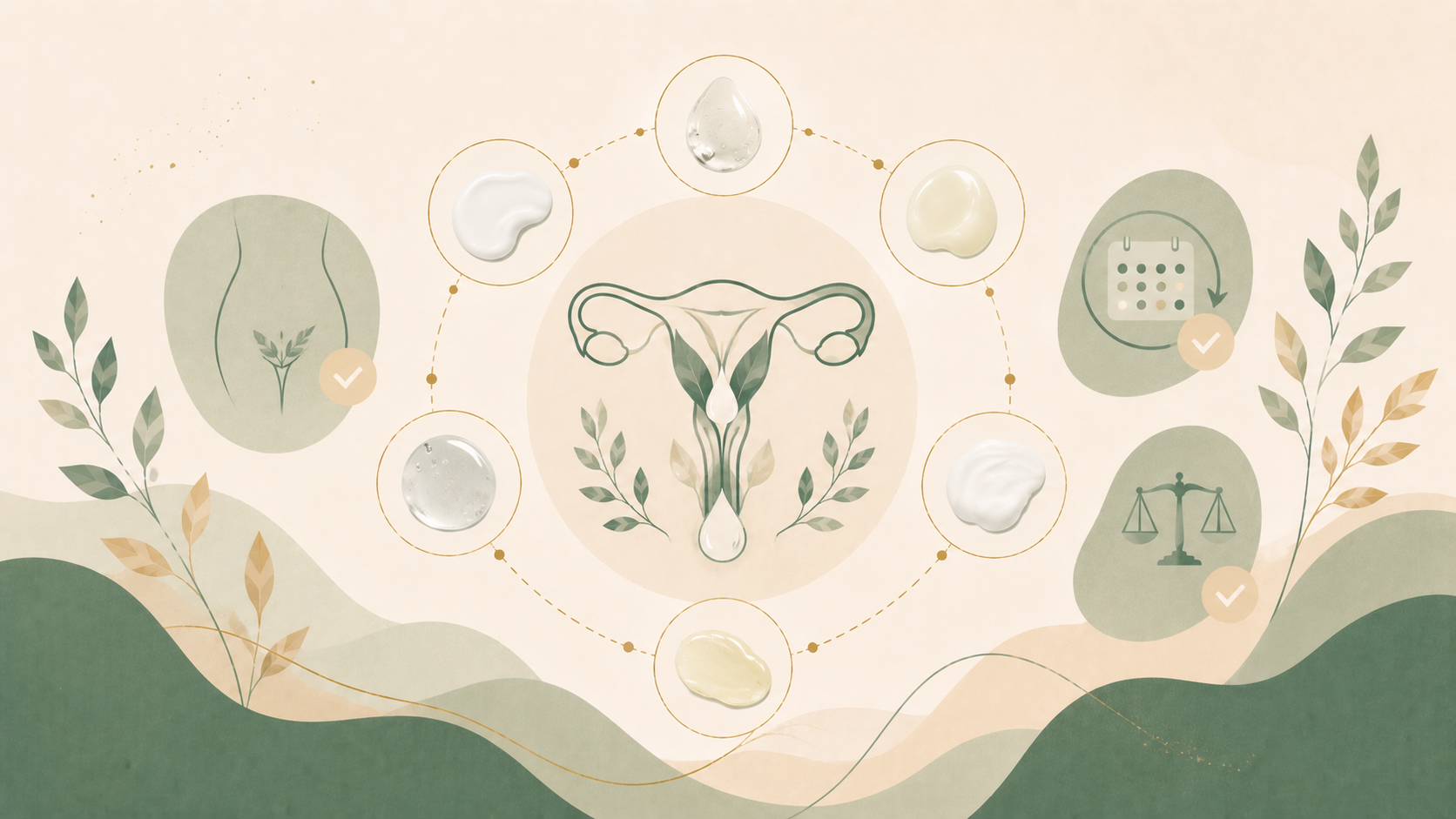
Have you ever looked at your underwear and wondered whether your vaginal discharge is normal? Maybe it seems different than it did last week. Maybe it’s thicker, thinner, more noticeable, or a different color. It’s one of the most common questions women have, yet it’s something many feel uncomfortable asking about.
In my own practice, it’s often whispered near the end of an appointment, almost as an afterthought, when it’s really one of the most useful things we can talk about. The truth is that vaginal discharge changes throughout the menstrual cycle. In many cases, those changes are completely normal and are actually a sign that your body is doing exactly what it’s supposed to do.
Medical Disclaimer
This article is provided for general educational and informational purposes only and does not constitute medical advice, diagnosis, or treatment. While the content is written with input from a licensed healthcare professional, reading this article does not create a nurse-patient, provider-patient, or any other professional relationship between you and the author or Vida Atlas.
The information here is general in nature and is not a substitute for personalized medical advice from your own doctor or qualified healthcare provider, who can take your full medical history and individual circumstances into account. Always consult your doctor or another qualified healthcare provider with any questions you may have regarding a medical condition, and never disregard professional medical advice or delay seeking it because of something you read on this site.
If you think you may have a medical emergency, call your local emergency number or go to the nearest emergency room immediately. Do not rely on this article for urgent or emergency medical situations.
Vida Atlas and the author make no representations or warranties about the accuracy, completeness, or timeliness of the information provided, and disclaim liability for any actions taken or not taken based on the content of this article.
Quick Answer
Normal vaginal discharge can vary in amount, texture, and appearance throughout the menstrual cycle. It may be clear, white, slippery, sticky, thick, or watery depending on where you are in your cycle. Discharge is often considered normal if it isn’t causing symptoms such as itching, burning, pain, or a strong unpleasant odor.
What’s Actually Happening in Your Body?
Vaginal discharge is a natural fluid produced by the vagina and cervix, and its job is to help keep the vagina clean, moist, and healthy. Hormones, particularly estrogen, influence how much discharge is produced and what it looks like throughout the month, which is why discharge often changes as your cycle progresses.
How Vaginal Discharge Changes During the Menstrual Cycle
Right After Your Period
Many women notice relatively little discharge during the days immediately following menstruation, and some may feel slightly drier during this phase of the cycle.
Before Ovulation
As estrogen levels rise, discharge often becomes more noticeable, and it may appear creamy, white, or slightly cloudy.
Around Ovulation
This is often when discharge is most noticeable, becoming clear, slippery, stretchy, and similar in texture to raw egg whites. The body produces this type of mucus to help sperm move more easily through the reproductive tract.
After Ovulation
Discharge often becomes thicker, stickier, or less noticeable, and some women feel drier again during this phase of the cycle.
Before Your Period
Discharge may become creamy, white, or slightly thicker, while others notice very little discharge before menstruation begins.
What Is Usually Considered Normal?
In general, normal discharge may be:
- Clear
- White
- Off-white
- Slightly yellow when dried
- Slippery
- Stretchy
- Creamy
- Mild-smelling or odorless
One thing that often surprises women is how different normal discharge can look from one person to another. There isn’t one “perfect” amount or appearance that’s considered normal for everyone.
When Discharge May Signal a Problem
Certain changes deserve closer attention, so consider speaking with a healthcare professional if discharge is accompanied by:
- Itching
- Burning
- Pain
- A strong unpleasant odor
- Pelvic pain
- Fever
- Bleeding unrelated to your period
You may also want medical advice if discharge becomes:
- Green
- Gray
- Frothy
- Cottage cheese-like
- Significantly different from your usual pattern
These symptoms can sometimes suggest an infection or another condition that may need treatment.
Common Reasons Discharge Changes
Hormonal Changes
The menstrual cycle itself is one of the biggest reasons discharge changes, and this is usually normal.
Pregnancy
Many women notice increased discharge during pregnancy, often due to hormonal changes.
Birth Control
Hormonal contraception can affect both the amount and consistency of discharge. For a broader look at hormone-driven changes, see Signs of Hormonal Changes.
Infections
Yeast infections, bacterial vaginosis, and sexually transmitted infections can all cause changes in discharge.
Perimenopause and Menopause
As estrogen levels decline, discharge often becomes less noticeable, and some women experience vaginal dryness during this stage of life.
How to Tell What’s Causing It
The most useful question is often: “Has anything else changed?” Think about:
- Where you are in your menstrual cycle
- Whether you have itching or irritation
- Any new medications
- Pregnancy possibility
- New sexual partners
- Menopause-related symptoms
The answers often provide important clues.
What You Can Do
In many cases, normal discharge doesn’t require any treatment, but you may find it helpful to:
- Track changes throughout your cycle
- Avoid scented vaginal products
- Wear breathable underwear
- Pay attention to new symptoms
- Learn what is normal for your body
Understanding your own pattern is often more helpful than comparing yourself to someone else.
When to See a Doctor
Consider making an appointment if:
- You develop itching or burning
- There is a strong unpleasant odor
- Discharge changes suddenly
- You have pelvic pain
- You develop fever
- Symptoms keep returning
- You’re concerned about a change that doesn’t seem normal for you
A healthcare professional can help determine whether the cause is a normal hormonal change, an infection, or another condition.
Conclusion
Vaginal discharge is a normal part of reproductive health, and it naturally changes throughout the menstrual cycle. The key is learning what’s normal for your body. If discharge changes are accompanied by symptoms such as itching, burning, pain, or a strong odor, it’s worth getting checked.
In my experience, cycle-related changes are often simply a reflection of healthy hormonal fluctuations. If you’re unsure whether it’s worth a visit, see When to See a Gynecologist.