Early Signs of Perimenopause

Have you started feeling a little different lately, but can’t quite explain why?
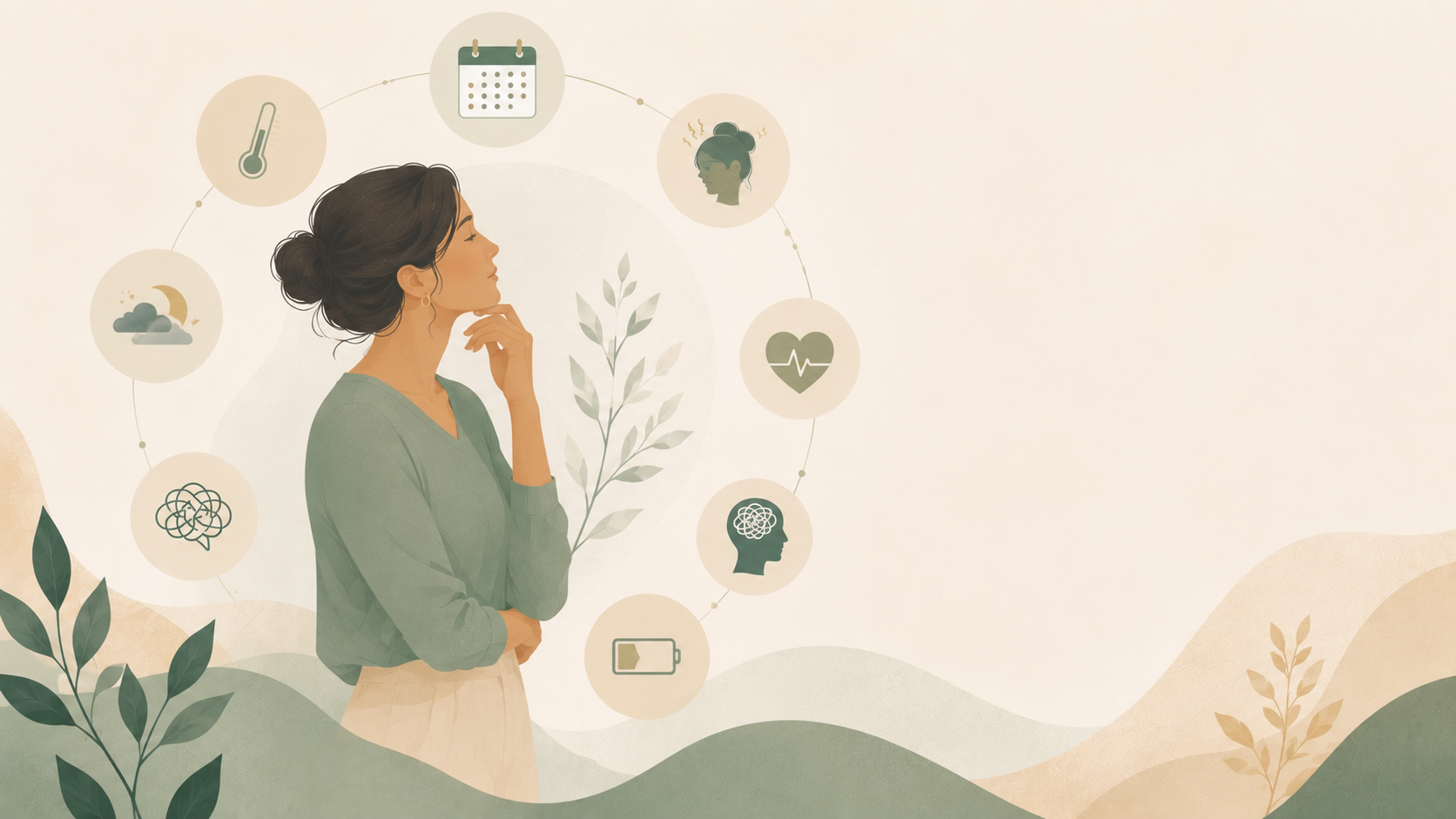
Maybe your periods are becoming less predictable. You’re waking up at night for no obvious reason. Your mood feels off, or you’re suddenly dealing with symptoms you’ve never had before.
It’s easy to blame stress, getting older, or simply having too much on your plate. But sometimes these changes can be the first signs of perimenopause. One thing that often surprises women is how early some symptoms can start, sometimes years before menopause itself. I’ve had patients in their late thirties be genuinely relieved just to hear that word, since no one had mentioned it to them yet.
Medical Disclaimer
This article is provided for general educational and informational purposes only and does not constitute medical advice, diagnosis, or treatment. While the content is written with input from a licensed healthcare professional, reading this article does not create a nurse-patient, provider-patient, or any other professional relationship between you and the author or Vida Atlas.
The information here is general in nature and is not a substitute for personalized medical advice from your own doctor or qualified healthcare provider, who can take your full medical history and individual circumstances into account. Always consult your doctor or another qualified healthcare provider with any questions you may have regarding a medical condition, and never disregard professional medical advice or delay seeking it because of something you read on this site.
If you think you may have a medical emergency, call your local emergency number or go to the nearest emergency room immediately. Do not rely on this article for urgent or emergency medical situations.
Vida Atlas and the author make no representations or warranties about the accuracy, completeness, or timeliness of the information provided, and disclaim liability for any actions taken or not taken based on the content of this article.
Quick Answer
Perimenopause is the transition period before menopause. It often begins in a woman’s 40s, but in some cases it can start earlier. The first signs are often subtle and may include irregular periods, sleep problems, mood changes, hot flashes, fatigue, and changes in menstrual flow.
What’s Actually Happening in Your Body
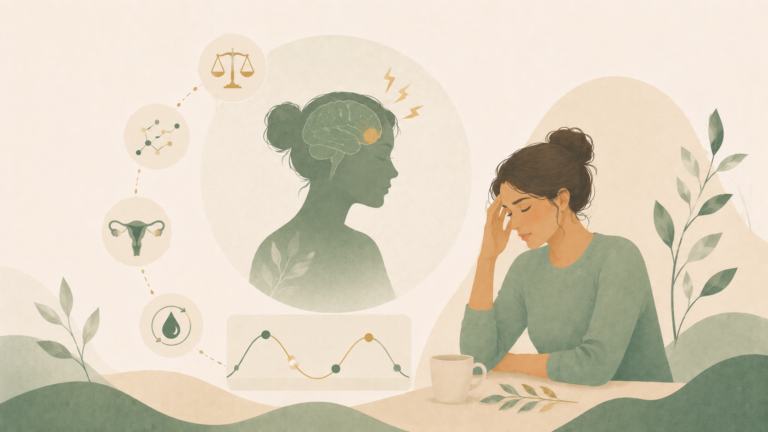
Perimenopause happens when the ovaries gradually begin producing hormones less consistently. Estrogen and progesterone levels don’t simply decline in a straight line. Instead, they fluctuate. Some months hormone levels may be relatively stable. Other months they may change more noticeably.
These hormonal ups and downs can affect many parts of the body, including sleep, mood, energy levels, body temperature, and the menstrual cycle.
Common Early Signs of Perimenopause
Irregular Periods
For many women, this is one of the first noticeable changes. Periods may come earlier than usual, arrive late, become heavier, lighter, shorter, or longer. You may still get a monthly period, but the timing starts feeling less predictable.
Hot Flashes
Hot flashes aren’t always dramatic. Some women experience a sudden feeling of warmth in the face, neck, or chest that lasts a few minutes. Others notice occasional flushing or sweating without a clear reason.
Night Sweats
Night sweats can wake you up even when the room isn’t particularly warm. You may find yourself throwing off blankets or changing clothes during the night.
Sleep Problems
Many women notice sleep changes before they notice anything else. You may have trouble falling asleep, wake up repeatedly during the night, or wake much earlier than usual. Poor sleep can then make other symptoms feel worse.
Mood Changes
Hormonal fluctuations can affect emotions. Some women feel more irritable, anxious, sensitive, or emotionally overwhelmed during perimenopause. Others notice mood swings that seem to come out of nowhere.
Fatigue
Feeling unusually tired is another common complaint. Even after a full night’s sleep, your energy levels may not feel the same as they once did.
Brain Fog
You may occasionally forget words, lose your train of thought, or walk into a room and forget why you went there. While frustrating, mild memory and concentration changes can happen during perimenopause.
Changes in Libido
Some women notice less interest in sex. Others may experience vaginal dryness, which can make intimacy less comfortable.
Headaches
Hormonal fluctuations can trigger headaches in some women. This may be especially noticeable if you’ve experienced hormone-related headaches in the past.
Weight Changes
Many women notice that maintaining their usual weight becomes more difficult. Hormones aren’t the only reason. Changes in sleep, activity levels, muscle mass, and metabolism can all play a role.
What Causes Perimenopause Symptoms?
Changing Estrogen Levels
Estrogen plays a role in many body systems. When estrogen levels fluctuate, symptoms such as hot flashes, sleep problems, and mood changes may appear.
Progesterone Changes
Progesterone often declines earlier than estrogen. This may contribute to sleep disturbances and cycle changes.
Changes in Brain Chemistry
Hormones influence brain chemicals involved in mood, sleep, and emotional regulation. This may help explain why symptoms often affect both the body and mind.
How to Tell What’s Causing It
The timing of symptoms can provide important clues.
If you’re in your late 30s or 40s and notice changes in your cycle along with symptoms like sleep problems, hot flashes, or mood shifts, perimenopause may be one possible explanation. My overview of common menopause symptoms can help you see what may come next.
However, similar symptoms can also occur with thyroid conditions, chronic stress, anxiety, certain medications, or other health issues. That’s why it’s important not to assume every symptom is caused by hormones alone.
What You Can Do
While you can’t stop perimenopause, there are ways to make symptoms easier to manage. You may find it helpful to:
- Track your periods and symptoms
- Prioritize regular sleep
- Stay physically active
- Limit excessive alcohol intake
- Manage stress where possible
- Eat balanced meals throughout the day
Some women also benefit from medical treatments or hormone therapy, depending on their symptoms and health history.
When to See a Doctor
Consider speaking with a healthcare professional if:
- Symptoms are affecting your quality of life
- Periods become very heavy
- Bleeding occurs between periods
- Sleep problems are becoming severe
- Mood changes feel difficult to manage
- You aren’t sure whether your symptoms are related to perimenopause
A healthcare provider can help rule out other causes and discuss treatment options if needed.
Conclusion
Perimenopause doesn’t usually start with one dramatic symptom. More often, it begins with small changes that gradually become harder to ignore. If your body feels different than it did a few years ago, you’re not imagining it. In my experience, understanding the early signs of perimenopause can help you make sense of what’s happening and decide when it’s worth seeking support.