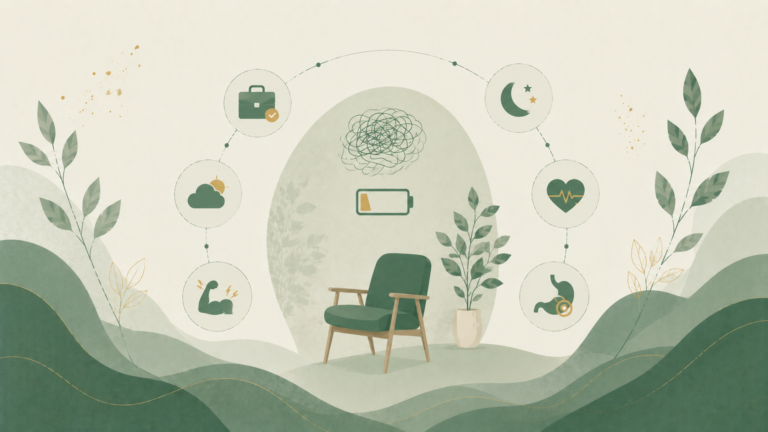
The Mind-Body Connection Explained

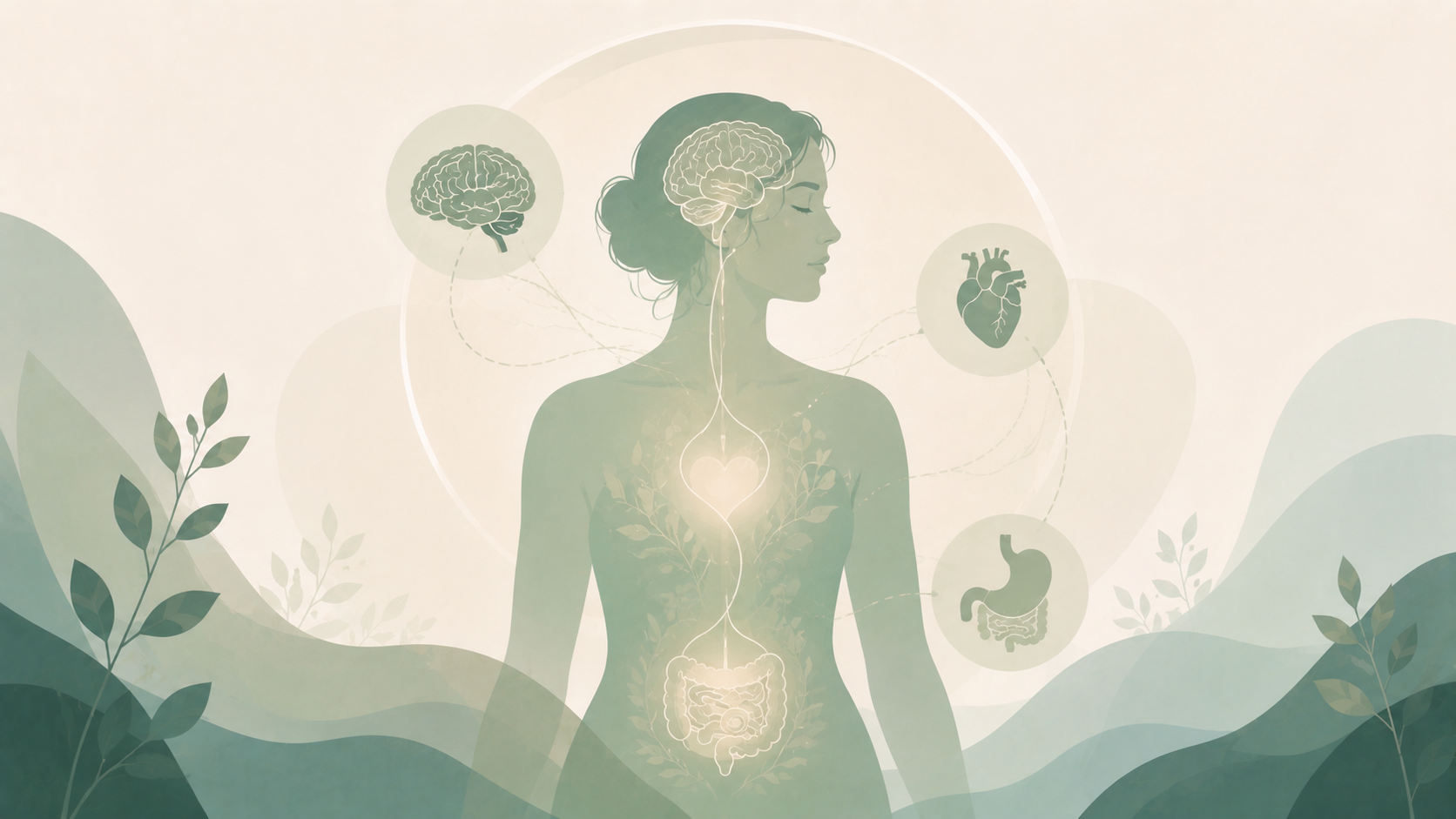
Most of us understand that physical health can affect how we feel emotionally. If you’ve ever had the flu, gone through a period of poor sleep, or dealt with ongoing pain, you’ve probably noticed that your mood, patience, and energy change too. That connection feels obvious because we’ve all experienced it.
What many people don’t think about is that the connection works both ways. It’s one of the things I find myself explaining most often, usually to someone who’s already seen two or three specialists and is starting to feel like no one believes them.
Medical Disclaimer
This article is provided for general educational and informational purposes only and does not constitute medical advice, diagnosis, or treatment. While the content is written with input from a licensed healthcare professional, reading this article does not create a nurse-patient, provider-patient, or any other professional relationship between you and the author or Vida Atlas.
The information here is general in nature and is not a substitute for personalized medical advice from your own doctor or qualified healthcare provider, who can take your full medical history and individual circumstances into account. Always consult your doctor or another qualified healthcare provider with any questions you may have regarding a medical condition, and never disregard professional medical advice or delay seeking it because of something you read on this site.
If you think you may have a medical emergency, call your local emergency number or go to the nearest emergency room immediately. Do not rely on this article for urgent or emergency medical situations.
Vida Atlas and the author make no representations or warranties about the accuracy, completeness, or timeliness of the information provided, and disclaim liability for any actions taken or not taken based on the content of this article.
Quick Answer
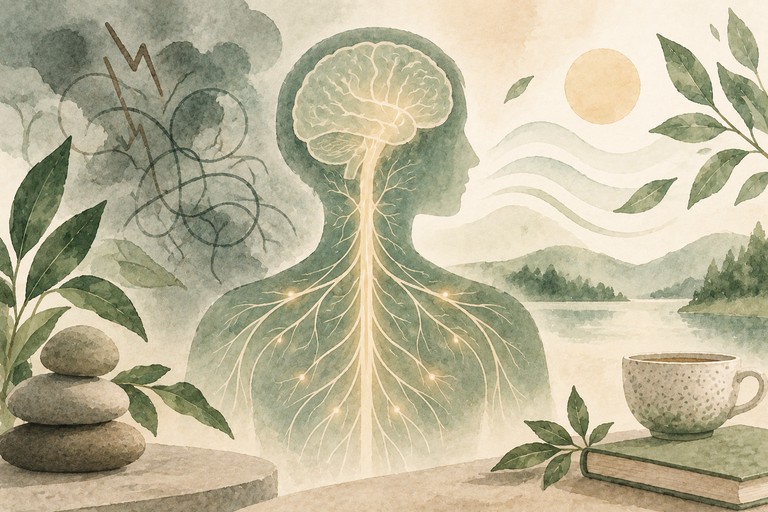
The mind and body are constantly influencing each other. Stress, emotions, sleep, physical health, daily habits, and life circumstances don’t exist in separate boxes. When one area is struggling, the effects often show up somewhere else.
We Tend to Focus on the Symptom
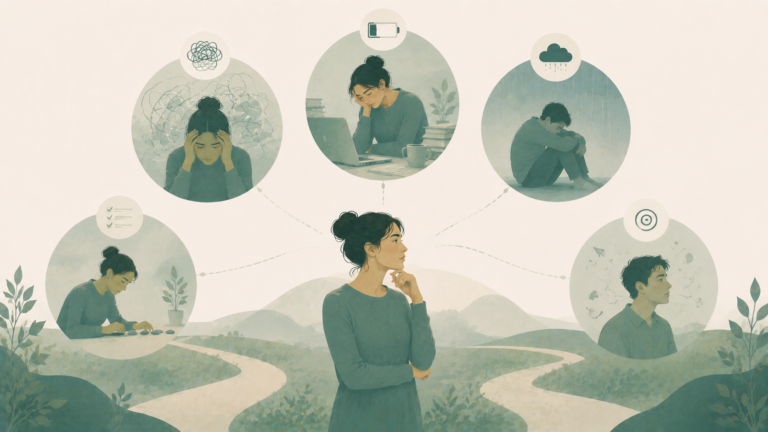
When something feels wrong in the body, most of us immediately focus on the symptom itself. If your stomach feels upset, your chest feels tight, or you’re constantly exhausted, it’s natural to look for a physical explanation. Sometimes the answer is physical. Sometimes it’s emotional. Often, it’s a mixture of both.
Problems Don’t Always Start Where They Appear
One reason the mind-body connection can feel confusing is that symptoms may appear long after the pressure starts building. Life doesn’t always overwhelm us in one dramatic moment. More often, it’s weeks or months of rushing, worrying, carrying responsibilities, sleeping poorly, and pushing through when we need rest.
You keep functioning and telling yourself you’re fine. Then one day your body starts asking for attention. By then, the stressful period may already feel like a distant memory, making the connection easy to miss. In my practice, I see this often: someone gets through the difficult stretch, and it’s only once things calm down that their body finally starts showing the strain.
This Doesn’t Mean Everything Is Emotional
This is where people sometimes get stuck. A more holistic view of health doesn’t mean every headache, stomach problem, or illness is caused by emotions. It doesn’t mean you should ignore symptoms or avoid medical care.
It simply means looking at the whole picture. Physical health affects emotional health, and emotional health affects physical health. Both matter.
What May Help
Get Curious About the Bigger Picture
Instead of focusing only on the symptom, try asking a broader question: “How have I been doing lately?” Sometimes the answer has nothing to do with emotions. Sometimes it has a lot to do with them. The goal isn’t to guess. It’s to stay open to both possibilities. That’s also true of why some people can’t relax even when everything is fine.
Pay Attention to Patterns
You don’t need to analyze every symptom or search for hidden meanings. But it can be helpful to notice whether certain periods of your life seem harder on your body than others. Many people only recognize the connection when they look back. Keeping even a loose log of stressful weeks alongside physical symptoms can sometimes reveal a pattern that’s invisible in the moment.
Take Care of Both Sides
Looking after your physical health matters. So does getting enough rest, setting boundaries, dealing with stress, and making time for recovery. You don’t have to choose between medical care and emotional well-being. Most of the time, both deserve attention.
A Holistic View Isn’t About Being Perfect
Sometimes people discover the idea of the mind-body connection and start looking for the perfect explanation for every symptom, but life rarely works that way. You can sleep well, manage stress, take care of yourself, and still get sick. You can make healthy choices and still go through difficult periods. Being human doesn’t mean avoiding every problem.
A holistic approach is not about finding someone or something to blame. It’s simply about understanding that health is usually shaped by more than one factor.
When to Reach Out for Support
If physical symptoms persist, affect your daily life, or cause concern, speak with a healthcare professional. Stress, emotional exhaustion, anxiety, or difficult life circumstances deserve attention too. Nighttime symptoms like waking up at 3 AM can sometimes be another sign that something needs attention.
Conclusion
Many people spend a long time trying to decide whether a problem is physical or emotional. Often, the answer isn’t one or the other.
The mind and body are constantly working together, influencing each other in ways we don’t always notice. In my own experience, understanding that connection won’t explain every symptom, but it can help you see your health through a wider and often more compassionate lens.