What Does Anxiety Disorder Feel Like?

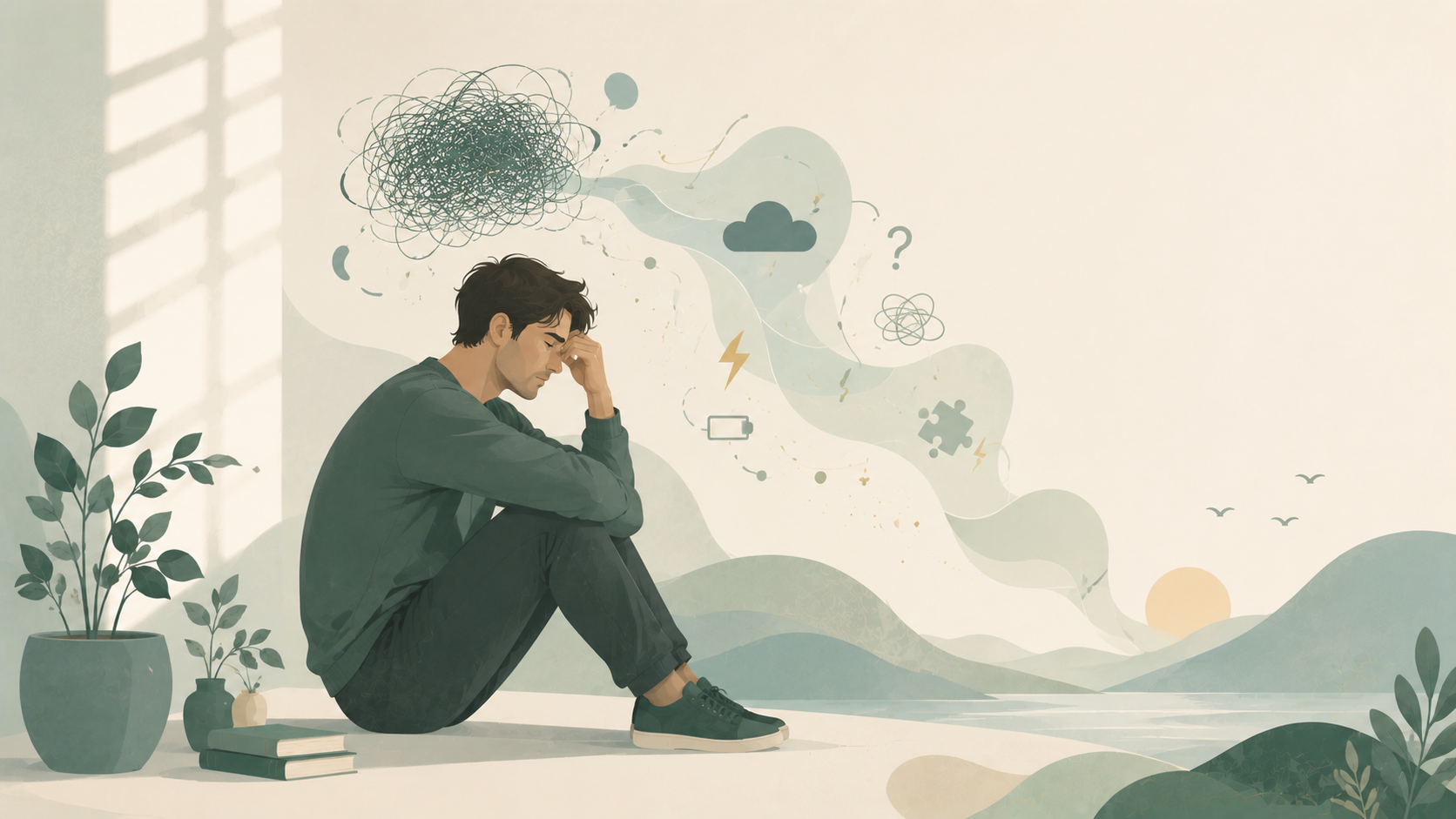
Something feels wrong, but you can’t always explain what it is. You may wake up feeling tense before the day has even started. You try to find a reason, solve a problem, or change something, yet the feeling remains.
One of the hardest parts of anxiety disorder is that many people stop trusting themselves and start wondering whether they’ll ever feel normal again. It’s a specific kind of exhaustion I hear about often, the exhaustion of feeling like your own body has become unpredictable.
Medical Disclaimer
This article is provided for general educational and informational purposes only and does not constitute medical advice, diagnosis, or treatment. While the content is written with input from a licensed healthcare professional, reading this article does not create a nurse-patient, provider-patient, or any other professional relationship between you and the author or Vida Atlas.
The information here is general in nature and is not a substitute for personalized medical advice from your own doctor or qualified healthcare provider, who can take your full medical history and individual circumstances into account. Always consult your doctor or another qualified healthcare provider with any questions you may have regarding a medical condition, and never disregard professional medical advice or delay seeking it because of something you read on this site.
If you think you may have a medical emergency, call your local emergency number or go to the nearest emergency room immediately. Do not rely on this article for urgent or emergency medical situations.
Vida Atlas and the author make no representations or warranties about the accuracy, completeness, or timeliness of the information provided, and disclaim liability for any actions taken or not taken based on the content of this article.
Quick Answer
Anxiety is a normal human emotion. Anxiety disorder is different.
An anxiety disorder involves persistent anxiety that feels difficult to control and may continue even when there is no immediate problem to solve. It can affect both the mind and the body, sometimes in ways people don’t immediately recognize as anxiety.
What Anxiety Disorder Can Feel Like
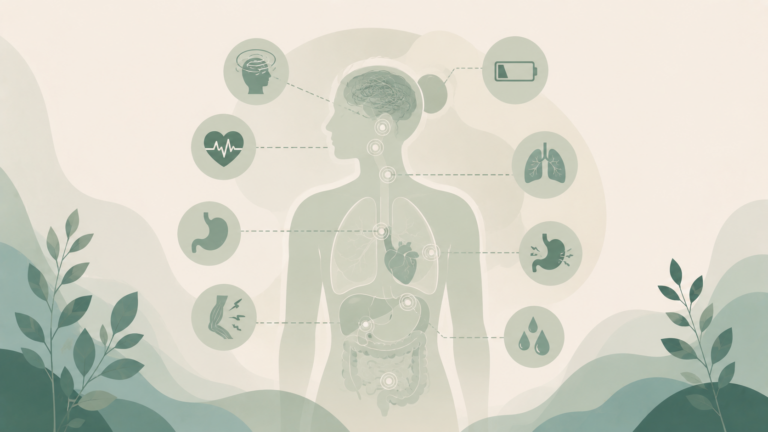
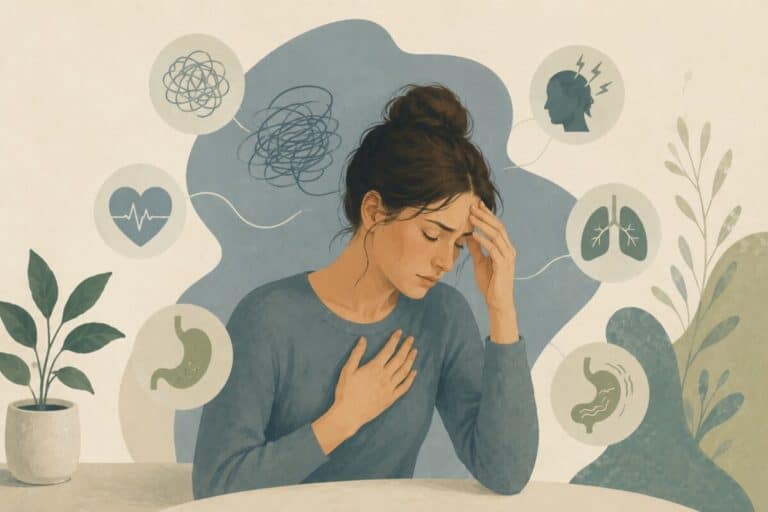
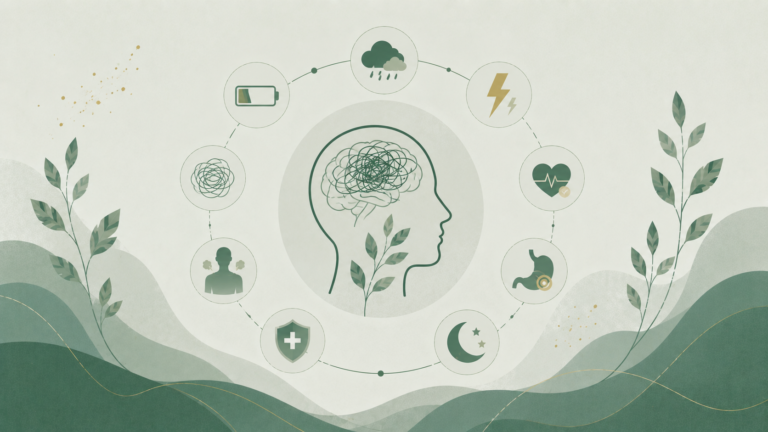
Anxiety disorders look different for different people. Some people mainly experience worried thoughts. Others notice physical symptoms long before they realize anxiety may be involved. Many people experience a mixture of both. Common symptoms may include:
- Constant inner tension
- Feeling that something isn’t right
- Difficulty relaxing
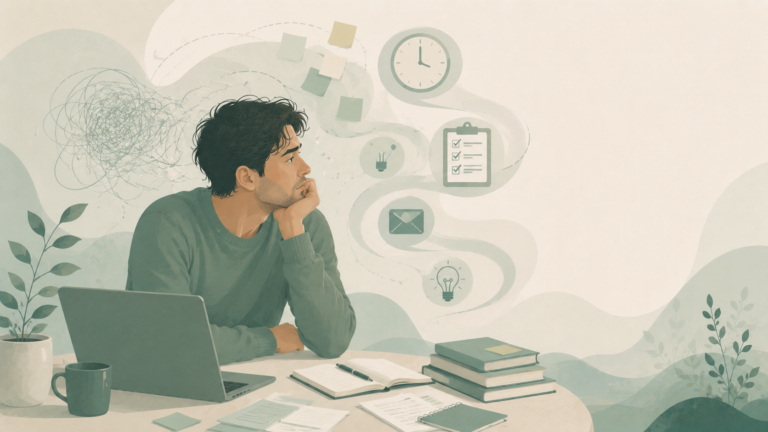
- Racing thoughts
- Early morning waking
- A lump in the throat
- Digestive problems
- Chills or feeling cold for no clear reason
- Dizziness
- Chest tightness
- Heart palpitations
- Feeling the need to stay in control
Many people spend a lot of time trying to identify the cause. Sometimes there is an obvious reason. Sometimes there isn’t. That uncertainty can make anxiety disorders even more frustrating, and it’s part of why some people describe anxiety as exhausting even on days when nothing in particular is going wrong.
Why Can Anxiety Disorder Happen?
There is rarely one single explanation. For some people, genetics may play a role. For others, it may be linked to personality traits, life experiences, early coping patterns, prolonged stress, burnout, or major life changes. In many cases, anxiety disorders develop gradually rather than appearing overnight.
Researchers also believe that anxiety disorders involve biological processes within the brain and nervous system. This is one reason anxiety disorders are not simply a matter of willpower, positive thinking, or “trying harder.” Someone can genuinely want to feel calm and still find that their nervous system reacts on its own, regardless of how much they’d prefer it didn’t.
Anxiety Disorder vs Other Conditions
These symptoms can overlap with chronic stress, burnout, panic attacks, OCD, and depression, which can make self-diagnosis difficult. The goal isn’t to label yourself perfectly, but to understand what you’re experiencing and find the right support. My guide to anxiety, burnout, depression, OCD, ADHD, and panic attacks can help you untangle overlapping symptoms.
What May Help
Most people improve through a combination of approaches rather than one single solution. Therapy, learning about anxiety, better sleep, physical activity, relaxation techniques, and lifestyle changes can all play a role. For some people, medication may also be helpful.
Medication can reduce symptoms and create enough stability for recovery to begin. At the same time, understanding the patterns and circumstances that keep anxiety active can support longer-term improvement. Cognitive behavioral therapy has strong research support for anxiety disorders because it focuses directly on thought and behavior patterns that can keep anxiety going.
When to Reach Out for Support
If anxiety is affecting your sleep, relationships, work, physical health, or daily life, it may be worth seeking support. You don’t need to wait until things become unbearable. Many people reach out simply because they are tired of struggling on their own and want a better understanding of what is happening.
Conclusion
One of the hardest parts of anxiety disorder is the fear that this is simply how life will be from now on. In my experience, the good news is that many people improve far more than they once thought possible. Recovery rarely happens overnight, and it rarely follows a straight line, but change is possible even when it doesn’t feel that way at the beginning.