Why Does My Heart Race for No Reason?

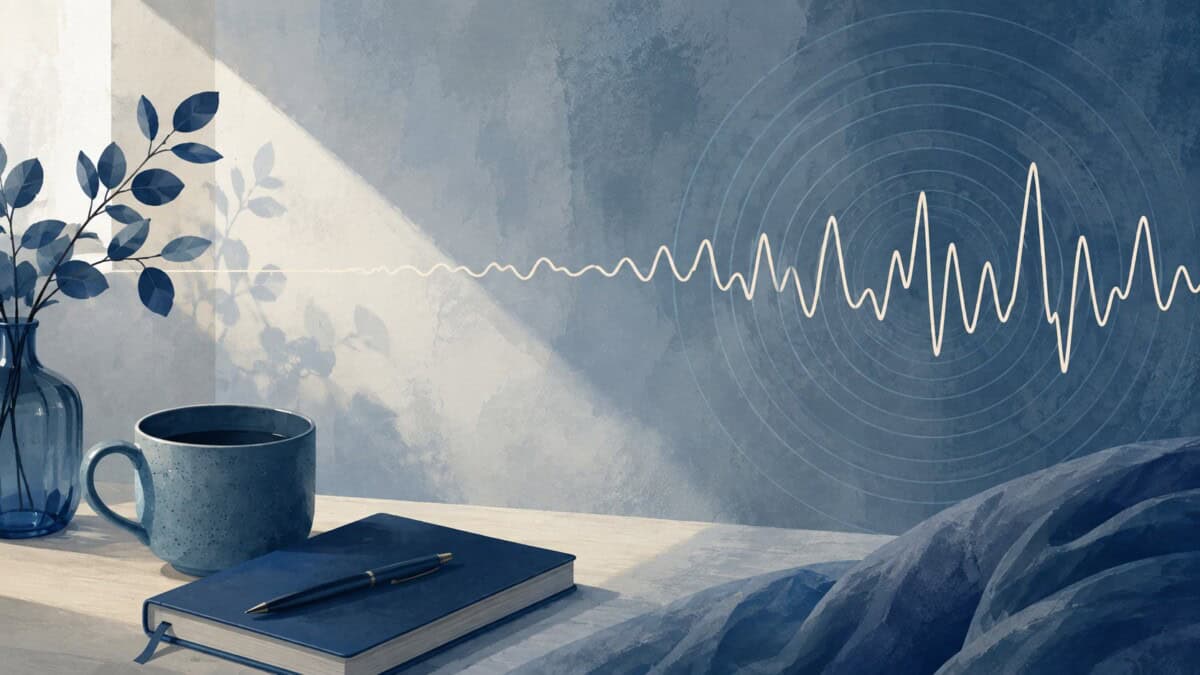
Your heart suddenly starts pounding. You’re not exercising, you’re not stressed about anything obvious, and you’re just sitting there, wondering what’s happening inside your chest.
A racing heart with no clear trigger is one of the most common reasons people end up in urgent care, and also one of the most common things that turns out to have a simple explanation. As a nurse, this is a symptom I take seriously every time, but it’s rarely as alarming as it feels in the moment.
Medical Disclaimer
This article is provided for general educational and informational purposes only and does not constitute medical advice, diagnosis, or treatment. While the content is written with input from a licensed healthcare professional, reading this article does not create a nurse-patient, provider-patient, or any other professional relationship between you and the author or Vida Atlas.
The information here is general in nature and is not a substitute for personalized medical advice from your own doctor or qualified healthcare provider, who can take your full medical history and individual circumstances into account. Always consult your doctor or another qualified healthcare provider with any questions you may have regarding a medical condition, and never disregard professional medical advice or delay seeking it because of something you read on this site.
If you think you may have a medical emergency, call your local emergency number or go to the nearest emergency room immediately. Do not rely on this article for urgent or emergency medical situations.
Vida Atlas and the author make no representations or warranties about the accuracy, completeness, or timeliness of the information provided, and disclaim liability for any actions taken or not taken based on the content of this article.
Quick Answer
A racing heart, also called heart palpitations, can be caused by caffeine, stress, dehydration, poor sleep, hormonal changes, certain medications, or simply standing up too quickly. Less often, it can point to a heart rhythm problem or another medical condition, which is why new or persistent palpitations are worth mentioning to a doctor.
What’s Actually Happening Inside Your Body
Your heart rate is controlled by a mix of your nervous system, hormones, and how much your body is working at any given moment. Everyday things like caffeine, stress hormones, low blood sugar, or dehydration can all nudge your heart rate up temporarily, even when you’re not doing anything physically demanding.
Sometimes the trigger is obvious, like a strong coffee or a stressful phone call. Other times it seems to come out of nowhere, which is usually what makes people worry the most.
What It Can Feel Like
A racing heart can feel different from person to person. You may notice:
- A pounding or fluttering sensation in your chest.
- Feeling your pulse in your neck or throat.
- A skipped or extra beat.
- Lightheadedness along with the racing feeling.
- Feeling short of breath.
- Anxiety that builds as the sensation continues.
Why It Happens
Caffeine and Stimulants
Coffee, energy drinks, some cold medications, and certain supplements can all raise your heart rate, sometimes hours after you take them.
Stress and Anxiety
Adrenaline released during stress can make your heart race even when nothing dangerous is actually happening. My guide on physical symptoms of anxiety covers this pattern in more detail.
Dehydration or Low Blood Sugar
When your body is short on fluids or fuel, your heart may beat faster to compensate, especially if you’ve skipped meals or haven’t had enough water. See signs of dehydration for other clues to watch for.
Hormonal Changes
Thyroid changes, pregnancy, and perimenopause can all affect heart rate. If your cycle has felt unpredictable lately too, it may be worth reading about signs of hormonal changes.
Medications and Other Substances
Certain prescription medications, nicotine, and alcohol withdrawal can all cause a racing heart as a side effect. I always ask patients about anything new they’ve started recently, since the timing often gives it away.
What May Help
If palpitations happen occasionally and settle on their own within a few minutes, simple steps like sitting down, taking slow breaths, and drinking water can often help. Cutting back on caffeine and making sure you’re getting enough sleep may reduce how often it happens.
It can also help to notice patterns. Keeping a simple note of when your heart races, what you’d eaten or had to drink, and how stressed you were can make it much easier for a doctor to spot a trigger.
When It’s Worth Paying Attention To
See a doctor if palpitations happen often, last a long time, or come with dizziness that doesn’t pass quickly. Seek urgent medical help if a racing heart comes with chest pain, fainting, or severe shortness of breath, since these need care right away.
FAQ:
No. Most of the time it’s caused by something temporary like caffeine, stress, or dehydration. Persistent or severe symptoms still deserve medical attention.
Seek immediate care if it comes with chest pain, fainting, severe shortness of breath, or lasts an unusually long time.
Yes. The adrenaline released during stress or anxiety can raise your heart rate even without any physical exertion.
If dehydration is the cause, yes. Drinking water and sitting down often helps palpitations settle within a few minutes.
The Bottom Line
A racing heart is startling, but in most cases it has an ordinary explanation. In my experience, paying attention to when it happens is more useful than panicking about it. If it keeps happening, is severe, or comes with other symptoms, it’s always worth getting checked out rather than guessing.