What Is Depression?

Most people imagine depression as constant sadness. In reality, it can look very different from what many people expect.
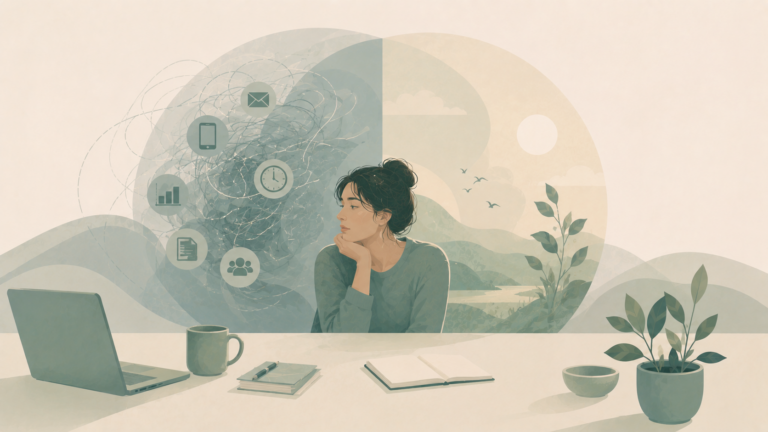
Some people continue going to work, taking care of their families, and doing everything they’re supposed to do while feeling increasingly disconnected from themselves and their lives. Others simply feel exhausted, unmotivated, or unable to enjoy things that once felt meaningful. If you’re trying to work out whether what you’re feeling is burnout, depression, or both, see Burnout or Depression?
Quick Answer
Depression is more than sadness.
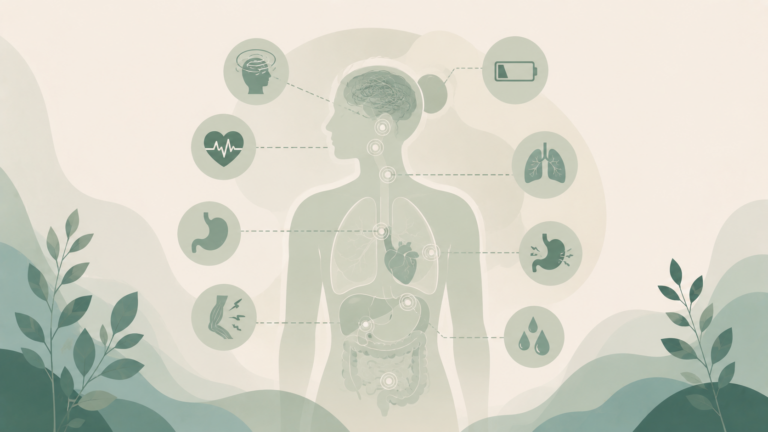
It can affect mood, energy, motivation, concentration, sleep, appetite, and the ability to enjoy life. Depression can also affect the way people think about themselves, their future, and the world around them.
What Depression Can Feel Like
Depression does not look the same for everyone.
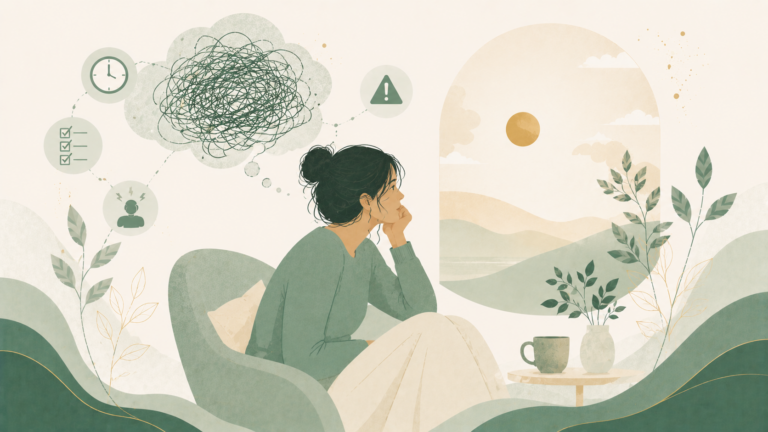
Some people feel sad and cry frequently. Others feel emotionally numb, as if their feelings have been turned down or switched off altogether. Many people describe a loss of interest in activities they once enjoyed.
Common experiences may include:
- Low energy
- Lack of motivation
- Feeling emotionally flat
- Loss of interest in hobbies or social activities
- Difficulty concentrating
- Changes in sleep
- Changes in appetite
- Feelings of guilt or worthlessness
- Difficulty making decisions
- Feeling disconnected from life
One of the most frustrating parts is that everyday tasks can begin to feel much harder than they used to. Things that once felt automatic may suddenly require effort and planning.
Why Depression Can Be Hard to Recognize
Depression does not always look the way people expect.
Many people assume depression means staying in bed all day or feeling sad every moment. In reality, some people continue meeting responsibilities while quietly struggling. Others believe they are simply tired, stressed, burned out, or lacking motivation.
Because depression can develop gradually, it may take time before someone realizes that what they are experiencing goes beyond an ordinary difficult period.
What May Help
There is rarely one thing that fixes depression.
Some people benefit from therapy. Others need medication. Many people need a combination of approaches, along with time and patience.
Understanding what is happening can also help. Depression often convinces people that nothing will change, but the way things feel today may not be the way they feel forever.
When It Becomes More Than a Difficult Period
Everyone has difficult periods in life.
If low mood, loss of interest, exhaustion, or hopelessness continue for weeks and begin affecting daily life, it may be worth looking for additional support.
Conclusion
Depression can make the future feel smaller than it really is.
It can change the way people see themselves, their lives, and their possibilities. With the right support and enough time, many people improve far more than they once believed possible.
Medical Disclaimer: This article is provided for educational purposes only and should not be considered medical advice. Always consult a qualified healthcare professional regarding your individual health concerns.