Frequent Infections: What Could They Mean?

Have you ever felt like you catch every cold going around? Or gotten over one illness just in time to come down with another? It’s easy to start wondering if your immune system is weaker than everyone else’s, especially when it feels like you’re sick more often than the people around you.
The good news is that getting sick sometimes is completely normal. In most cases, frequent infections have a simple explanation. Viral illnesses can also cause body aches. See Why Do My Muscles Ache for No Reason?
As a nurse, I hear this concern constantly, especially from parents whose kids just started daycare or school. I always remind them that getting sick more often during those seasons is expected, not a sign something is wrong.
Medical Disclaimer
This article is provided for general educational and informational purposes only and does not constitute medical advice, diagnosis, or treatment. While the content is written with input from a licensed healthcare professional, reading this article does not create a nurse-patient, provider-patient, or any other professional relationship between you and the author or Vida Atlas.
The information here is general in nature and is not a substitute for personalized medical advice from your own doctor or qualified healthcare provider, who can take your full medical history and individual circumstances into account. Always consult your doctor or another qualified healthcare provider with any questions you may have regarding a medical condition, and never disregard professional medical advice or delay seeking it because of something you read on this site.
If you think you may have a medical emergency, call your local emergency number or go to the nearest emergency room immediately. Do not rely on this article for urgent or emergency medical situations.
Vida Atlas and the author make no representations or warranties about the accuracy, completeness, or timeliness of the information provided, and disclaim liability for any actions taken or not taken based on the content of this article.
Quick Answer
Catching a few colds or small infections each year is normal for most adults. Frequent or unusually bad infections can sometimes point to things like stress and poor sleep. Less often, they can point to a problem with your immune system. Looking at the overall pattern, instead of just one illness, usually gives the clearest picture.
What’s Actually Happening Inside Your Body
Your immune system works nonstop in the background. It finds and fights germs before you even notice symptoms. How well it does this depends on your genes, your overall health, and daily habits like sleep and stress.
When your body is low on rest or good food, or under stress for a long time, your immune system doesn’t work as well. This makes it easier for infections to take hold and harder for your body to clear them fast. Most of this happens quietly in the background, which is why lifestyle factors can affect how often you get sick without you ever noticing the connection.
Why It Happens
Long-Term Stress and Poor Sleep
Ongoing stress and poor sleep can affect how well your immune system works, making it easier to catch infections or harder to recover. I see this pattern often in patients, especially during demanding periods of work or caregiving.
Missing Nutrients
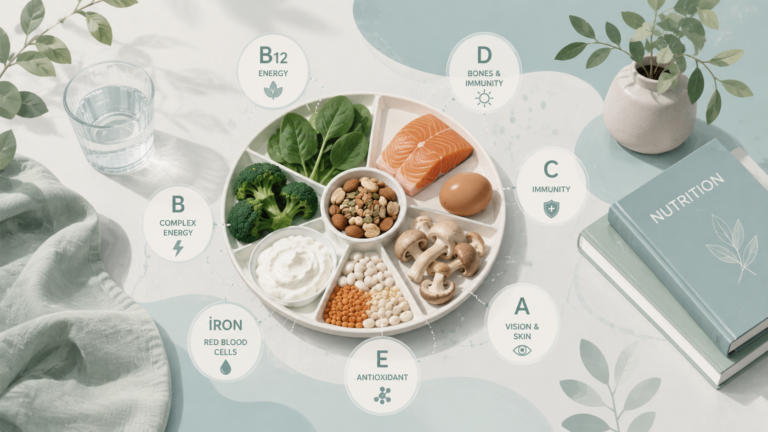
Your immune system needs good nutrition to work well, including vitamin D, vitamin C, zinc, and iron. Ongoing gaps in any of these can leave your immune system weaker than it should be. Read more in Common Vitamin Deficiencies.
Being Around More Germs
Times of higher exposure, like starting a new job, having young kids in school, or traveling a lot, naturally raise how often you meet new germs. This can make you sick more often for a while, and it’s especially common during a child’s first year or two in daycare or school.
Other Health Conditions
Conditions like diabetes, or treatments that affect your immune system, can make infections more common or harder to clear. Managing the health condition often helps this get better over time.
Rarely, Immune System Problems
In rare cases, frequent, severe, or unusual infections can point to a real problem with the immune system. This is much less common than the other causes, which is why a lasting pattern is worth a closer look rather than something to assume right away.
When It’s Usually Harmless
Getting two to four colds a year as an adult is normal. Times of higher exposure, like a new school year with young kids at home, can raise that number for a while without meaning there’s a problem.
When It’s Worth Paying Attention To
Talk to your doctor if infections are happening more often than usual, taking longer to clear than expected, or if you need antibiotics again and again in a short time.
It’s also worth a conversation if infections are unusually bad, keep coming back in the same spot, like repeated sinus or ear infections, or if you’re also noticing tiredness or weight loss you can’t explain.
What You Can Do
Keep a simple record of how often you get sick, how severe each illness is, and how long it takes to recover. This can help you and your doctor spot a pattern.
Getting enough sleep, managing stress, and eating a nutritious diet all support your immune system. Staying up to date on vaccines, washing your hands regularly, and avoiding close contact when someone is contagious can also help reduce your risk of infection.
If frequent or severe infections continue despite these changes, your doctor may recommend blood tests to look for possible causes. My advice to patients is to look at the whole picture. In my experience, basics like sleep, nutrition, and stress management can make a meaningful difference.
FAQ:
Getting two to four colds a year as an adult is considered normal.
Yes. Ongoing stress and poor sleep both make your immune system work less effectively.
Ongoing gaps in vitamin D, vitamin C, zinc, or iron can leave your immune system weaker than it should be.
Often, yes, at least for a while. Higher exposure to new germs, like from kids in school, naturally raises how often you catch something.
Talk to your doctor if infections happen more often than usual, take longer to clear, or if you need antibiotics repeatedly in a short time.
The Bottom Line
Getting sick once in a while is a normal part of life. It’s not a sign your body is failing you. But when infections start piling up in a way that feels different from your usual pattern, it’s worth paying attention. Understanding the pattern is often the first step to figuring out what your immune system needs.