Why Do I Feel Shaky?


Have you ever noticed your hands shake while holding a cup of coffee, with no clear reason why? Or felt a jittery, shaky feeling inside that doesn’t match anything going on around you? It can be an unsettling feeling, especially when it seems to come out of nowhere. Your first thought might be that something is seriously wrong.
The good news is that feeling shaky almost always has a clear cause, and most of the time, it’s easy to fix. I’ve talked to a lot of patients about this exact feeling, and I always start by asking what they last ate. More often than not, that one question gets us most of the way to an answer.
Medical Disclaimer
This article is provided for general educational and informational purposes only and does not constitute medical advice, diagnosis, or treatment. While the content is written with input from a licensed healthcare professional, reading this article does not create a nurse-patient, provider-patient, or any other professional relationship between you and the author or Vida Atlas.
The information here is general in nature and is not a substitute for personalized medical advice from your own doctor or qualified healthcare provider, who can take your full medical history and individual circumstances into account. Always consult your doctor or another qualified healthcare provider with any questions you may have regarding a medical condition, and never disregard professional medical advice or delay seeking it because of something you read on this site.
If you think you may have a medical emergency, call your local emergency number or go to the nearest emergency room immediately. Do not rely on this article for urgent or emergency medical situations.
Vida Atlas and the author make no representations or warranties about the accuracy, completeness, or timeliness of the information provided, and disclaim liability for any actions taken or not taken based on the content of this article.
Quick Answer
Shakiness is usually your nervous system reacting to something. This is most often low blood sugar, too much caffeine, stress, or simply not eating in a while. These triggers all set off similar systems in your body. That’s why the feeling can seem so familiar, even when the cause is different each time.
What’s Actually Happening Inside Your Body
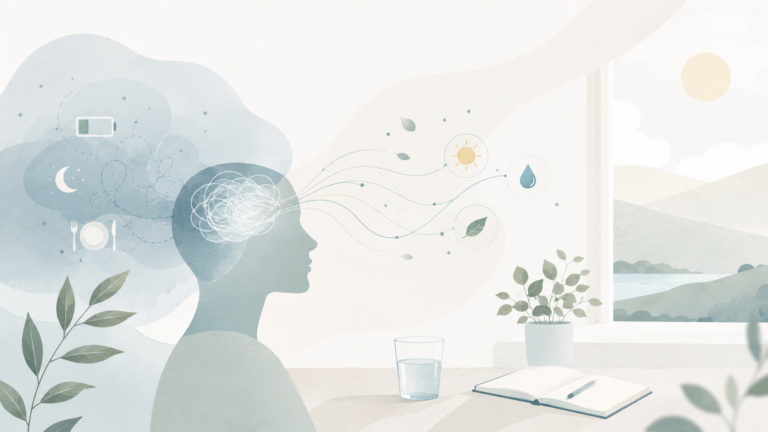
Shakiness is often tied to your body’s stress response. When your brain senses low blood sugar, a stimulant like caffeine, or a stressful moment, it releases a hormone called adrenaline to get energy moving fast.
That rush of adrenaline speeds up your heart rate and sends fast signals to your muscles. This is what creates the shaky, jittery feeling, often before you’ve even had time to think about why. It’s the same reflex that’s meant to help you react quickly to danger, just triggered here by something everyday like an empty stomach.
Why It Happens
Low Blood Sugar
When your blood sugar drops, your body releases adrenaline to bring it back up. This can cause shakiness, especially if you haven’t eaten for a while or had a meal high in refined carbs but low in protein or fiber. In my experience, it’s especially common in patients who skip breakfast or rely on coffee to get through the morning.
Caffeine
Caffeine speeds up your nervous system. Having more than your body is used to can easily cause a shaky, jittery feeling, especially on an empty stomach. Too much caffeine can also add to fluid loss. See Signs of Dehydration.
Stress or Anxiety
Emotional stress turns on the same alarm system in your body as a real danger would. Shaking is a common physical sign of anxiety, even when nothing dangerous is actually happening, and it can show up in your hands, voice, or legs.
Skipping Meals
Going too long without food gives your body less fuel to run on. This can trigger both low blood sugar and a stress response as your body tries to make up for it, which is why shakiness often shows up right around the time you’d normally eat.
Being Overtired
Hard exercise or feeling worn out can leave your muscles tired enough to shake, similar to what causes Why Do My Muscles Ache for No Reason? This is more likely if you’re also low on water or haven’t eaten enough. This kind of exhaustion often overlaps with feeling tired all the time. See Why Am I Always Tired?
When It’s Usually Harmless
Feeling shaky after hard exercise, too much coffee, or a missed meal is common. It usually goes away quickly with food, rest, or time.
When It’s Worth Paying Attention To
Talk to your doctor if shakiness happens often with no clear cause, or if it comes with a fast heartbeat, weight loss you can’t explain, or trouble sleeping. Get care right away if shakiness comes with confusion, sweating, and a fast heartbeat, especially if you have diabetes. This can be a sign of very low blood sugar that needs quick treatment.
What You Can Do
If you feel shaky, eating something with protein or a complex carb may help if low blood sugar is the cause. A handful of nuts or a slice of whole-grain toast can be a simple option.
Notice the pattern. Does it happen after coffee, before meals, or during stress? Regular meals, less caffeine, and managing stress may help. If you have diabetes, check your blood sugar when you feel shaky so you can respond appropriately.
I always tell my patients to notice the pattern before assuming the worst. In my practice, even small changes to meal timing have often made a noticeable difference.
FAQ:
Shakiness is usually your nervous system reacting to something, most often low blood sugar, too much caffeine, or stress.
Yes, it’s one of the most common causes, especially after going a long time without eating.
Yes. Caffeine speeds up your nervous system, and having more than usual can easily bring on a jittery feeling.
It can be. Shaking is a common physical sign of stress or anxiety, even when nothing dangerous is happening.
Get care right away if shakiness comes with confusion, sweating, and a fast heartbeat, especially if you have diabetes.
The Bottom Line
Feeling shaky is usually your body’s alarm system reacting to something it needs, whether that’s food, less caffeine, or a break from stress. Once you know your own triggers, the feeling becomes a lot less scary and a lot easier to stop before it starts.