Burnout or Stress?

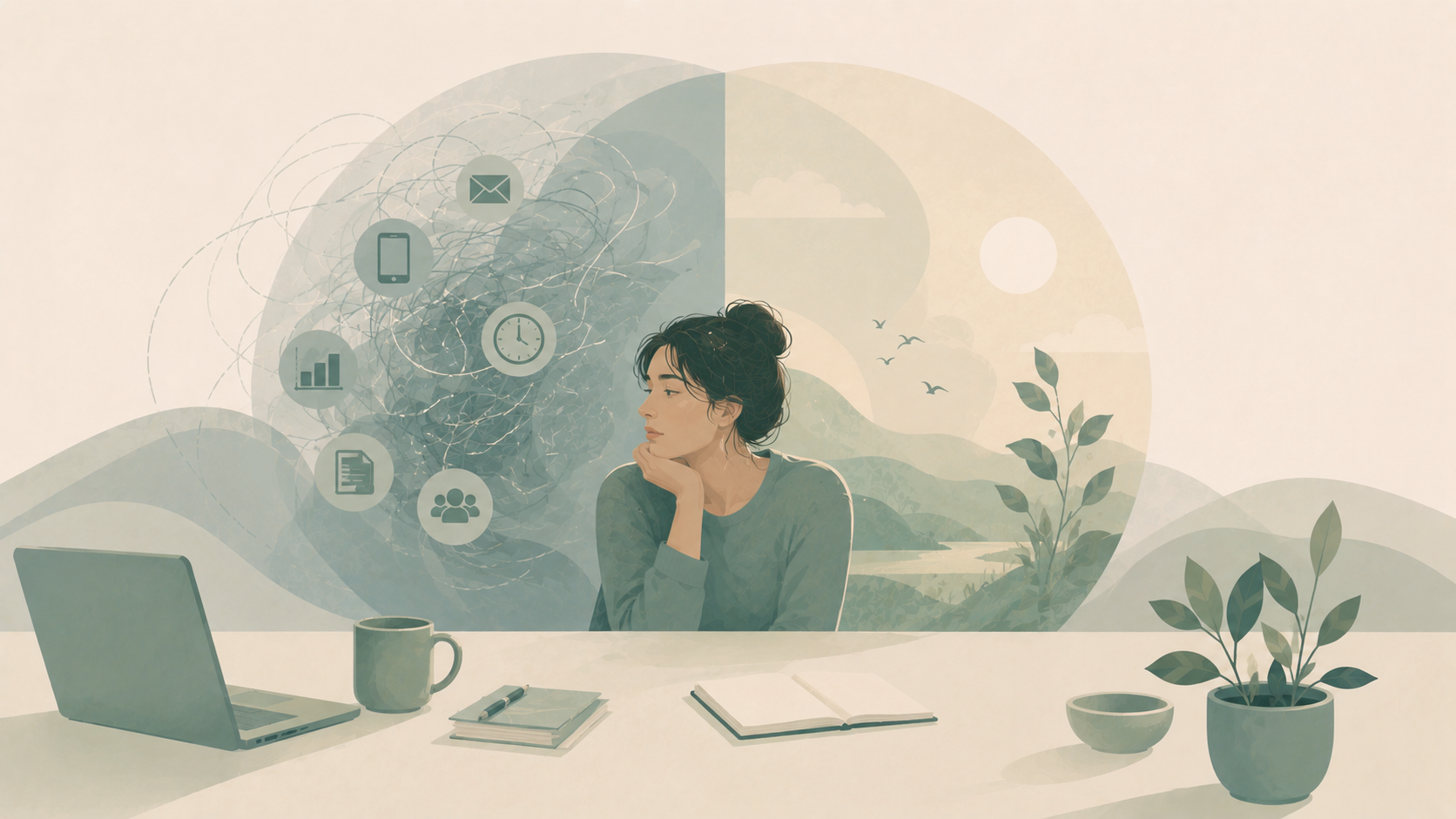
There comes a point when being tired stops feeling temporary. You wake up exhausted. Small tasks feel harder than they should. Things that once felt manageable now feel overwhelming. At some point, many people start asking the same question: “Am I stressed, or am I burned out?” The two can feel very similar, especially in the beginning. But they aren’t exactly the same thing.
Medical Disclaimer
This article is provided for general educational and informational purposes only and does not constitute medical advice, diagnosis, or treatment. While the content is written with input from a licensed healthcare professional, reading this article does not create a nurse-patient, provider-patient, or any other professional relationship between you and the author or Vida Atlas.
The information here is general in nature and is not a substitute for personalized medical advice from your own doctor or qualified healthcare provider, who can take your full medical history and individual circumstances into account. Always consult your doctor or another qualified healthcare provider with any questions you may have regarding a medical condition, and never disregard professional medical advice or delay seeking it because of something you read on this site.
If you think you may have a medical emergency, call your local emergency number or go to the nearest emergency room immediately. Do not rely on this article for urgent or emergency medical situations.
Vida Atlas and the author make no representations or warranties about the accuracy, completeness, or timeliness of the information provided, and disclaim liability for any actions taken or not taken based on the content of this article.
Quick Answer
Stress usually feels like having too much to handle. Burnout often feels like having nothing left to give. While stress tends to involve feeling overwhelmed by demands, burnout is more often associated with emotional exhaustion, detachment, and a loss of motivation or interest.
What Stress Usually Feels Like
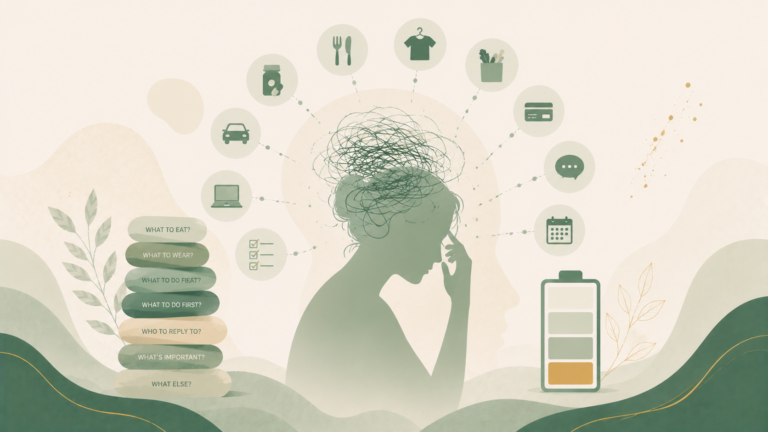
Stress often comes with a sense of urgency. Your mind feels busy. You have too much to do, too many decisions to make, or too many problems competing for your attention. You may feel tense, worried, frustrated, or constantly “on.”
The important thing is that, despite how unpleasant stress feels, you are usually still engaged. You still care. You still want things to go well.
What Burnout Usually Feels Like
Burnout often develops after stress has been going on for too long. Instead of feeling overwhelmed, you may start feeling emotionally disconnected. The energy that once pushed you forward begins to disappear, motivation becomes harder to find, and things you used to care about may start feeling pointless.
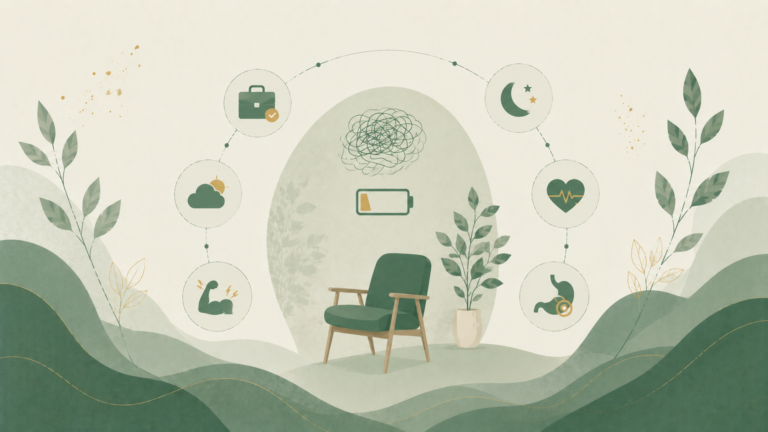
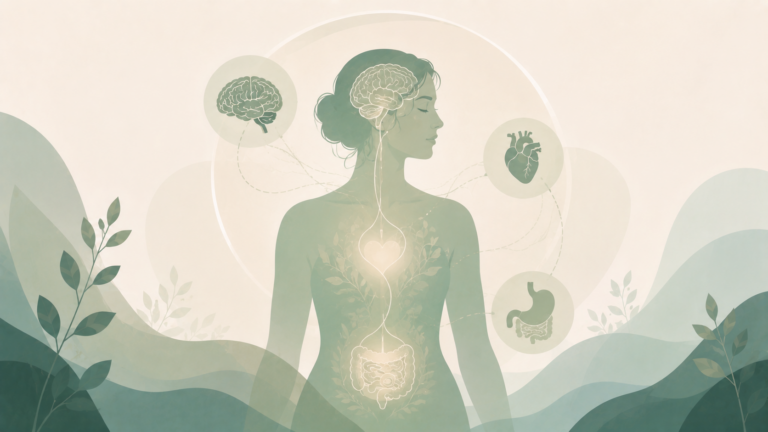
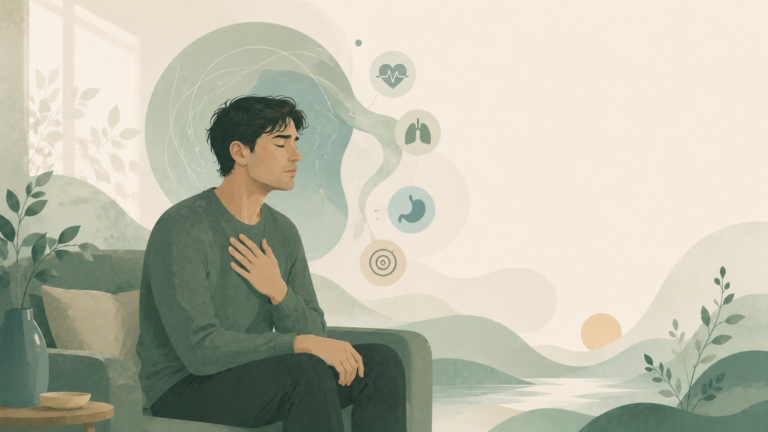
Many people describe burnout as feeling numb, cynical, detached, or simply empty. It can also show up physically, especially after long periods of stress. See how stress affects the body.
One of the Biggest Differences
Imagine that a major source of pressure disappears. A stressful project ends, work becomes quieter, or you finally get the break you’ve been waiting for. With stress, you’ll often notice at least some relief when the pressure eases.
With burnout, that relief may not come as quickly. Even when life becomes less demanding, you may still feel disconnected, exhausted, or unlike yourself. In my experience, this is often the moment people realize they’ve been calling it “stress” for longer than that word really explains. Rest can help, but it may not be enough on its own.
Burnout Can Affect More Than Work
Burnout isn’t limited to work. Parents, caregivers, students, and people supporting others can experience it too. Ongoing responsibility and emotional investment can become draining. I see this especially in caregivers, who are often so busy supporting everyone else that they’re the last to notice their own exhaustion.
What May Help
If It Is Stress
The goal is often to reduce pressure, improve recovery, and create more balance. This may involve better boundaries, more rest, asking for help, reducing commitments, or finding healthier ways to manage stress.
If It Is Burnout
Recovery may require a deeper reset. Many people need time to reconnect with activities, values, relationships, and parts of themselves that have been neglected for a long time. Recovery is often slower than people expect.
Be Honest About What You Need
One common mistake is assuming that a weekend off will fix everything. Sometimes it does, and sometimes it doesn’t.
Pay attention to how you feel when you have a genuine opportunity to rest. If the pressure lifts and you begin feeling more like yourself, stress may be the bigger issue. If the exhaustion and detachment remain, burnout may be playing a larger role.
When to Reach Out for Support
If exhaustion, irritability, low mood, sleep problems, or loss of motivation have been affecting your daily life for a while, consider speaking with a healthcare or mental health professional. If you’re unsure whether stress has become chronic, see the signs of chronic stress. Understanding what’s happening can make it easier to take the right next steps.
Conclusion
Stress and burnout can look similar from the outside. The difference is often in how you feel underneath it all. Stress tends to feel like too much. Burnout tends to feel like too little: too little energy, too little motivation, and too little left in reserve. Recognizing the difference can help you choose the kind of recovery you actually need.