Emotional Exhaustion Signs

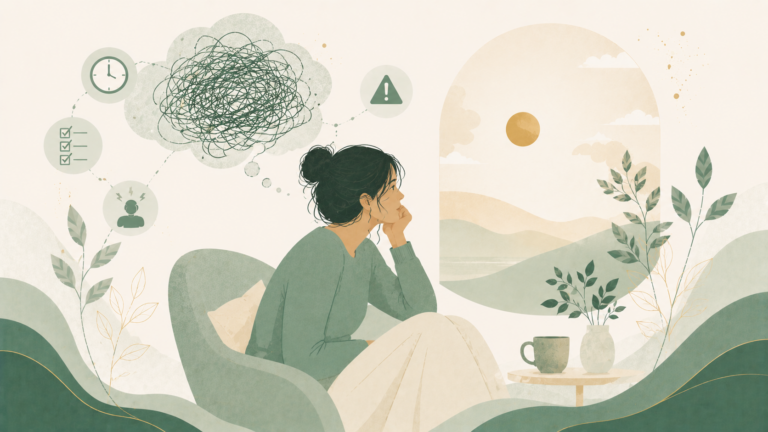
You answer the messages. You go to work. You take care of what needs to be done.
From the outside, everything may look normal. The difference is that things that once made you happy, excited, or emotional don’t seem to affect you the same way anymore. You’re not necessarily falling apart. You just feel emotionally drained. It’s a version of “fine” I’ve learned to look past over the years, since it rarely tells the whole story.
Medical Disclaimer
This article is provided for general educational and informational purposes only and does not constitute medical advice, diagnosis, or treatment. While the content is written with input from a licensed healthcare professional, reading this article does not create a nurse-patient, provider-patient, or any other professional relationship between you and the author or Vida Atlas.
The information here is general in nature and is not a substitute for personalized medical advice from your own doctor or qualified healthcare provider, who can take your full medical history and individual circumstances into account. Always consult your doctor or another qualified healthcare provider with any questions you may have regarding a medical condition, and never disregard professional medical advice or delay seeking it because of something you read on this site.
If you think you may have a medical emergency, call your local emergency number or go to the nearest emergency room immediately. Do not rely on this article for urgent or emergency medical situations.
Vida Atlas and the author make no representations or warranties about the accuracy, completeness, or timeliness of the information provided, and disclaim liability for any actions taken or not taken based on the content of this article.
Quick Answer
Emotional exhaustion happens when you’ve spent so much emotional energy that there isn’t much left to give. You may feel detached, emotionally flat, easily irritated, overwhelmed by other people’s needs, or simply tired of carrying responsibilities that once felt manageable.
Why This Can Happen
Emotional energy is a resource, just like physical energy. Every day, we manage conversations, responsibilities, worries, conflicts, and expectations, often without realizing how much effort they require. Problems can start when you’re constantly supporting others, solving problems, or carrying responsibilities without enough time to recover emotionally.
What It Can Feel Like
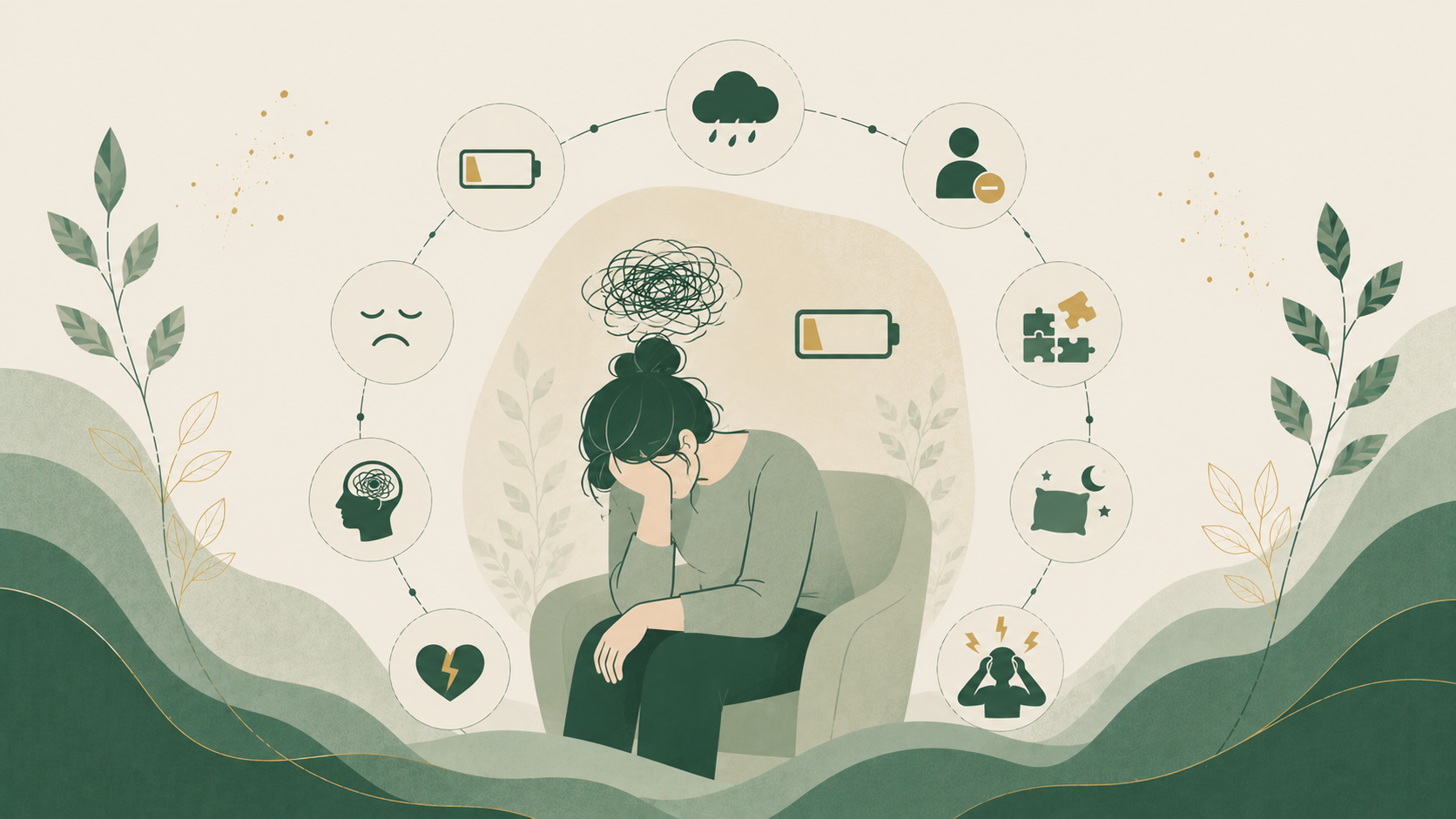
It doesn’t always look dramatic. In many cases, it feels like you’ve become emotionally unavailable to yourself and everyone around you. You may notice:
- Feeling numb or disconnected
- Feeling emotionally “flat”
- Wanting to be left alone more often
- Feeling irritated by small things
- Losing patience more quickly than usual
- Struggling to care about problems that normally matter to you
- Avoiding phone calls, messages, or social plans
- Feeling like everyone needs something from you
- Losing enthusiasm for things you usually enjoy
It doesn’t always feel like sadness, either. Sometimes it feels more like emptiness. Instead of feeling too much, you may feel like you’re no longer feeling enough.
Emotional Exhaustion Can Affect the Body Too
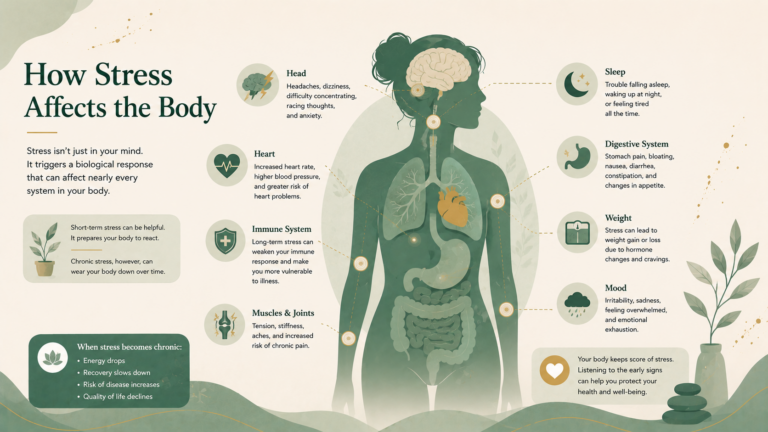
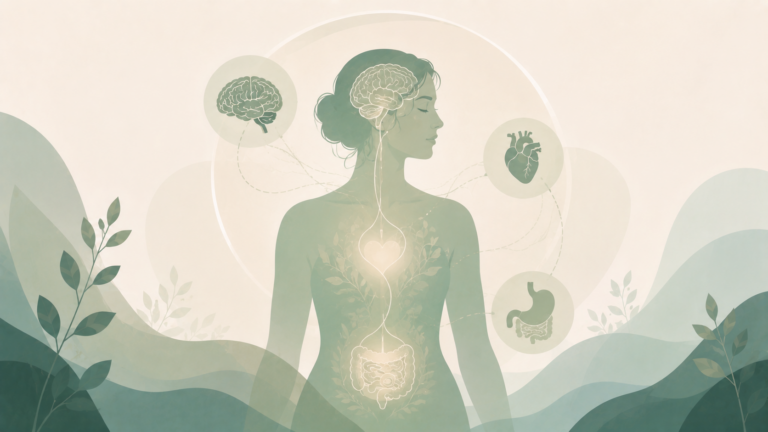
It doesn’t always stay emotional, either. Some people notice headaches, muscle tension, sleep problems, stomach issues, frequent illnesses, or a general feeling of being run down. This doesn’t mean every physical symptom is caused by emotions, but it does highlight how closely emotional and physical well-being are connected.
Common Triggers or Contributing Factors
Constant Caregiving
Taking care of children, family members, patients, clients, students, or anyone who depends on you can gradually drain emotional reserves.
Being Everyone’s Support System
Some people naturally become the person everyone turns to during a crisis. Over time, constantly carrying other people’s worries and emotions can become exhausting.
Unresolved Stress
Not every difficult experience gets processed properly. Sometimes challenges pile up faster than we have time to recover from them.
Lack of Emotional Boundaries
When you feel responsible for everyone else’s problems, emotions, or happiness, emotional exhaustion becomes much more likely. If this sounds familiar, my overview of the signs you need a break can help you recognize it sooner.
What May Help and Why
Recovery isn’t only about sleep or taking time off. For some people, it comes through rest. Others benefit from time alone, meaningful conversations, hobbies, travel, creative activities, time in nature, or simply having fewer demands placed on them for a while.
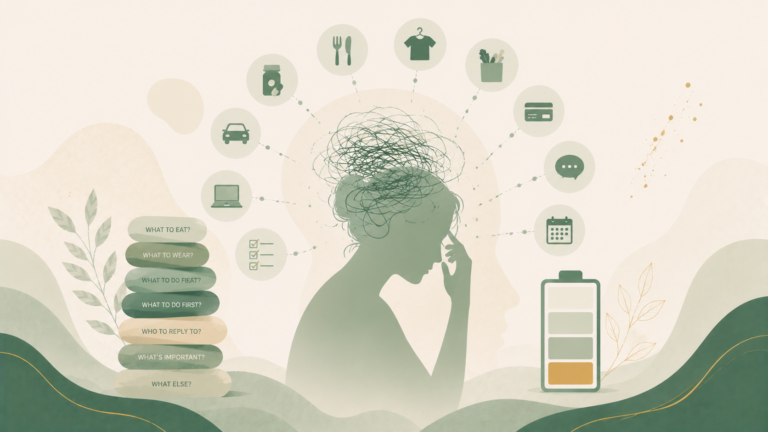
There is no single solution that works for everyone. The important question is not “What should I do?” but “What helps me feel like myself again?” Emotional exhaustion often travels together with decision fatigue, since both drain the same limited mental resources.
Small sources of enjoyment matter too. When you’re emotionally exhausted, it’s easy to postpone everything pleasant until life becomes easier. Sometimes those small moments are exactly what help refill your emotional tank.
When Emotional Exhaustion Starts Affecting Relationships
It’s common to keep functioning normally at work while becoming more distant, impatient, or withdrawn at home. By the end of the day, there may be very little emotional energy left, and the people closest to us often notice it before we do.
When to Reach Out for Support
If emotional exhaustion is affecting your relationships, work, sleep, physical health, or ability to enjoy daily life, it may be worth speaking with a healthcare professional or mental health professional. And if you’re feeling overwhelmed, hopeless, or unable to cope, don’t wait until you’re completely burned out before asking for help.
Conclusion
Emotional exhaustion isn’t always about doing too much. In my experience, it’s often about giving too much of yourself for too long without enough opportunity to recover. Recognizing that early can help you restore balance before deeper burnout develops.