Breast Pain Explained

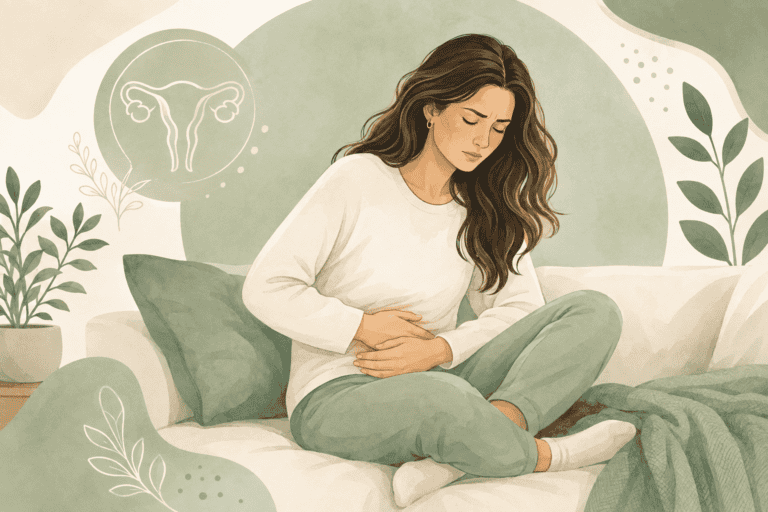
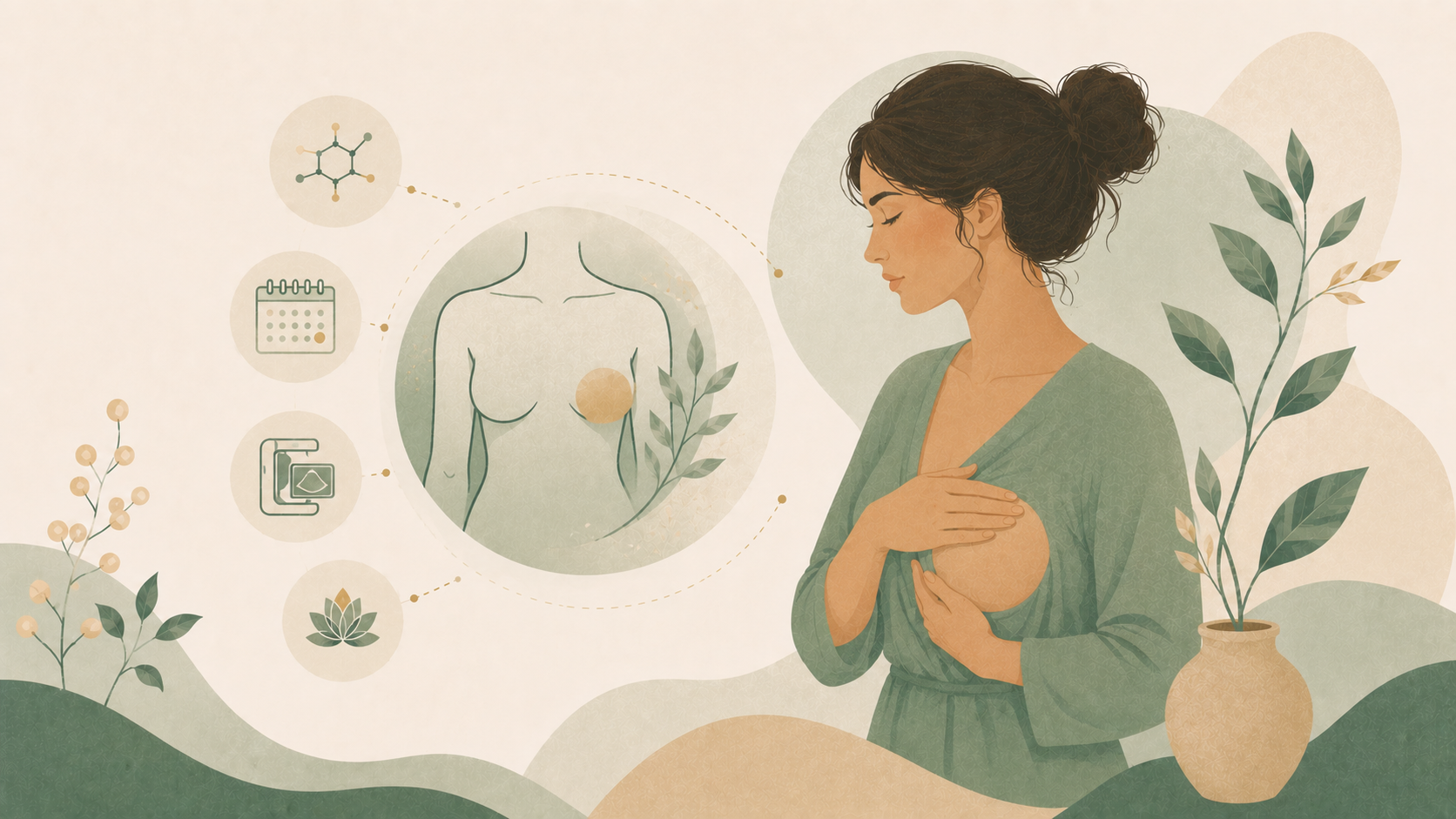
Have you ever noticed that your breasts suddenly feel sore, tender, heavy, or more sensitive than usual? For some women, it happens every month before a period. For others, it seems to appear out of nowhere and immediately causes worry. This is a common feature of PMS more broadly. See PMS or PMDD? for other symptoms that often appear together.
That’s understandable. Any new symptom involving the breasts can feel alarming, and in my own practice, it’s one of the concerns I take seriously every single time, even when I already suspect it’s hormonal. The reassuring news is that breast pain is often linked to hormonal changes and is not usually a sign of something serious.
Medical Disclaimer
This article is provided for general educational and informational purposes only and does not constitute medical advice, diagnosis, or treatment. While the content is written with input from a licensed healthcare professional, reading this article does not create a nurse-patient, provider-patient, or any other professional relationship between you and the author or Vida Atlas.
The information here is general in nature and is not a substitute for personalized medical advice from your own doctor or qualified healthcare provider, who can take your full medical history and individual circumstances into account. Always consult your doctor or another qualified healthcare provider with any questions you may have regarding a medical condition, and never disregard professional medical advice or delay seeking it because of something you read on this site.
If you think you may have a medical emergency, call your local emergency number or go to the nearest emergency room immediately. Do not rely on this article for urgent or emergency medical situations.
Vida Atlas and the author make no representations or warranties about the accuracy, completeness, or timeliness of the information provided, and disclaim liability for any actions taken or not taken based on the content of this article.
Quick Answer
Breast pain is often related to normal hormonal changes during the menstrual cycle. However, it can also be linked to pregnancy, breastfeeding, certain medications, cysts, infections, or other conditions. The timing and pattern of the pain often provide important clues.
What’s Actually Happening in Your Body?
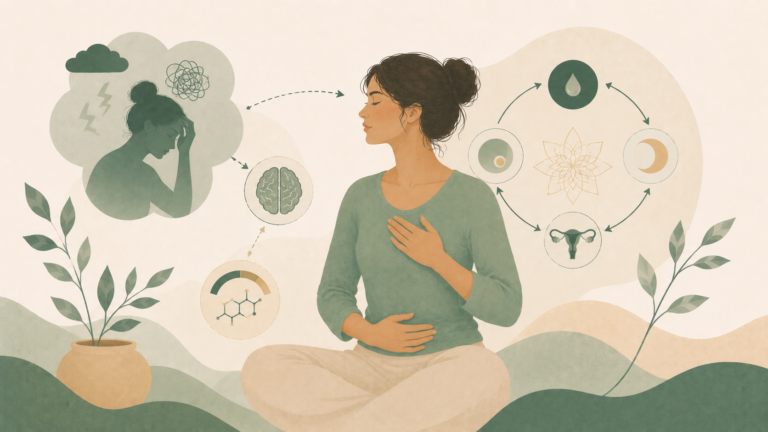
Breast tissue is sensitive to hormones, particularly estrogen and progesterone, which rise and fall throughout the menstrual cycle. As a result, breast tissue can temporarily retain fluid, become swollen, or feel more sensitive than usual, which is why many women notice breast tenderness during specific parts of their cycle.
Common Causes of Breast Pain
Hormonal Changes Before a Period
This is one of the most common reasons for breast tenderness, with many women noticing soreness, heaviness, or increased sensitivity in both breasts during the days leading up to their period. The discomfort often improves once menstruation begins. Similar hormonal shifts also explain why you might feel bloated before your period.
Pregnancy
Breast tenderness can be one of the earliest signs of pregnancy, and some women notice changes in breast sensitivity even before they miss a period.
Breastfeeding
Breastfeeding can sometimes cause soreness, particularly during the early weeks, often due to engorgement, blocked milk ducts, or changes in feeding patterns.
Breast Cysts
Breast cysts are fluid-filled sacs that can sometimes cause tenderness or discomfort, and they are often benign and may change with hormonal fluctuations.
Certain Medications
Some medications can affect hormone levels or increase breast tenderness, with hormonal contraceptives being one example.
Muscle or Chest Wall Pain
Not all breast pain actually comes from breast tissue. Sometimes discomfort originates from muscles, ribs, or joints in the chest wall and feels like breast pain instead.
Breast Infection
Although less common, infections can cause pain, swelling, warmth, and redness. This is more likely during breastfeeding but can occur in other situations as well.
How to Tell What’s Causing It
The timing of symptoms can provide useful clues. Ask yourself:
- Does the pain happen before every period?
- Is it in one breast or both?
- Is there a lump?
- Has the pain changed recently?
- Does it seem connected to pregnancy or breastfeeding?
- Is there redness, swelling, or warmth?
One thing that often stands out is how predictable hormone-related breast pain can be. Many women notice it appears during the same part of their cycle month after month, and tracking symptoms for a few cycles can help reveal patterns.
What You Can Do
If breast pain seems linked to your menstrual cycle, it may help to keep track of when symptoms occur. You can also:
- Wear a supportive bra
- Avoid activities that worsen discomfort
- Track your menstrual cycle
- Note any changes in breast symptoms
- Discuss persistent symptoms with a healthcare provider
If your healthcare provider has recommended pain relief, using it early may be more effective than waiting until discomfort becomes severe.
Does Breast Pain Mean Breast Cancer?
This is often the first question women ask. While breast pain alone is not usually the most common sign of breast cancer, any new breast symptom that concerns you deserves attention.
Breast cancer more commonly presents as a lump, skin changes, nipple changes, or other symptoms, so if something feels different from your usual pattern, it’s always reasonable to discuss it with a healthcare professional.
Get Familiar With Your Normal
One helpful habit is simply becoming familiar with how your breasts normally look and feel. Many healthcare professionals now encourage breast self-awareness rather than focusing on a strict monthly self-exam schedule.
For women who choose to check their breasts, it’s often easier to do so at roughly the same point in the menstrual cycle each month. Breast tissue naturally changes throughout the cycle, and hormonal fluctuations can sometimes make the breasts feel more tender or lumpy than usual.
The goal isn’t to find problems. It’s to notice when something feels different from your normal pattern. Many women find it easiest to do this while showering or getting dressed, simply paying attention to any new lumps, skin changes, nipple changes, or areas that feel different than usual.
Don’t Skip Breast Screening
Breast screening is one of the most important tools for detecting breast cancer early. The recommended age and screening schedule vary between countries, so it’s worth checking the guidance where you live and attending screening appointments when you’re invited.
Even if you feel well and haven’t noticed any symptoms, screening can sometimes detect changes before they become noticeable. Breast self-awareness and screening work best together: one helps you notice changes between appointments, while the other helps detect problems that may not cause symptoms at all.
When to See a Doctor
Consider making an appointment if:
- Pain is persistent or worsening
- You find a new lump
- One breast suddenly changes in appearance
- There is nipple discharge, especially if bloody
- You notice redness or swelling
- Symptoms don’t seem related to your cycle
- The pain is affecting daily life
A healthcare provider can help determine whether further evaluation is needed.
Conclusion
Breast pain can be uncomfortable and sometimes worrying, but it is often related to normal hormonal changes. Paying attention to the timing, pattern, and any associated symptoms can provide valuable clues.
If something feels different from your usual pattern or you’re concerned, it’s always reasonable to seek medical advice. If you’re unsure whether it’s worth a visit, see When to See a Gynecologist.