Postpartum Body Changes: What to Expect


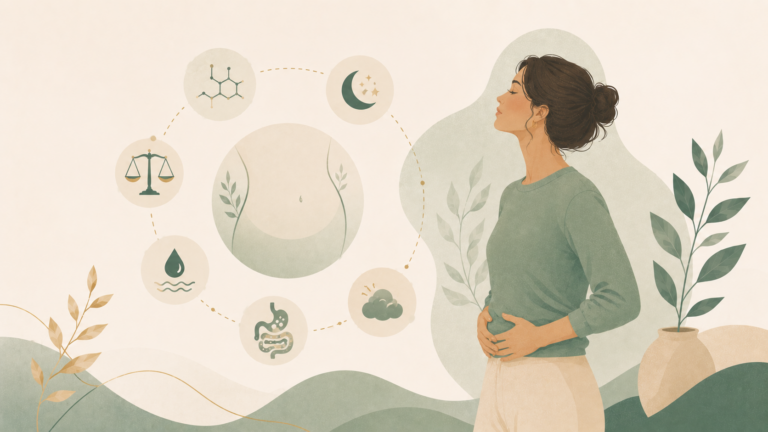
Postpartum recovery does not happen overnight. In the days and weeks after birth, you may notice bleeding, breast changes, a softer abdomen, soreness, hair shedding, and mood changes, sometimes several of them at the same time.
It can be a lot to take in while you are also learning to care for a newborn and sleeping in short stretches. Many of these changes are expected, but knowing what is normal and what deserves medical attention can make the first weeks less confusing.
This period is often called the “fourth trimester.” From my midwifery background and my own experience of motherhood, I think it deserves much more preparation than it often gets.
Medical Disclaimer
This article is provided for general educational and informational purposes only and does not constitute medical advice, diagnosis, or treatment. While the content is written with input from a licensed healthcare professional, reading this article does not create a nurse-patient, provider-patient, or any other professional relationship between you and the author or Vida Atlas.
The information here is general in nature and is not a substitute for personalized medical advice from your own doctor or qualified healthcare provider, who can take your full medical history and individual circumstances into account. Always consult your doctor or another qualified healthcare provider with any questions you may have regarding a medical condition, and never disregard professional medical advice or delay seeking it because of something you read on this site.
If you think you may have a medical emergency, call your local emergency number or go to the nearest emergency room immediately. Do not rely on this article for urgent or emergency medical situations.
Vida Atlas and the author make no representations or warranties about the accuracy, completeness, or timeliness of the information provided, and disclaim liability for any actions taken or not taken based on the content of this article.
Quick Answer
Postpartum body changes can continue well beyond the first few days after birth. Bleeding, breast and abdominal changes, perineal soreness, hair shedding, and emotional shifts are all common, although they follow different timelines.
Recovery is gradual. What matters most is that symptoms are generally moving in the right direction and that you know which changes should be checked sooner rather than waiting for a routine postpartum visit.
What’s Happening in Your Body?
During pregnancy, your uterus grows dramatically, blood volume increases, and hormone levels such as estrogen and progesterone rise. After the placenta is delivered, hormone levels change quickly and your body begins the process of recovering from pregnancy and birth.
Your uterus starts shrinking, postpartum bleeding begins, breast milk production changes, and stretched muscles and tissues gradually recover. Some changes settle within days or weeks, while others, including hair shedding, abdominal changes, and pelvic floor recovery, can take months.
Common Changes After Birth
For a more personal look at this same time period, see ParentIntel’s 12 Honest Things They Don’t Tell You About After Birth.
Bleeding and Uterine Changes (Lochia)
Postpartum vaginal bleeding is called lochia. It usually begins red and relatively heavy, then becomes lighter and changes to pink or brown before gradually fading to a pale or whitish discharge.
The overall trend should be toward less bleeding over time, although flow can fluctuate somewhat with activity. A sudden increase in bleeding after it had been getting lighter, very heavy bleeding, large clots, faintness, or feeling acutely unwell should be assessed promptly. For the full week-by-week breakdown, see Postpartum Bleeding (Lochia): What’s Normal and What’s Not.
Breasts and Milk Supply
Whether or not you plan to breastfeed, your breasts may become fuller, firmer, tender, or uncomfortable as milk production increases, often during the first several days. If you are breastfeeding, leaking, engorgement, and frequent feeding are common while milk supply and feeding patterns are being established.
Breast pain should not simply be ignored. A breast that becomes increasingly red, hot, swollen, hard, or very painful, especially together with fever, chills, or feeling unwell, can be a sign of mastitis or another problem that needs medical advice.
Perineal Pain and Healing
If you had a vaginal birth, the perineal and genital area can feel sore, swollen, or bruised for a while afterward. This may be more noticeable if you had a tear, stitches, or an episiotomy, and sitting, walking, using the bathroom, or changing positions may feel uncomfortable during the first days.
Pain should gradually improve as the area heals. Increasing pain, worsening swelling, a bad smell, discharge from the wound, fever, or stitches that appear to be opening are reasons to contact your healthcare provider.
Abdomen, Skin, and Weight
Your uterus gradually shrinks after birth, but your abdomen does not immediately return to its pre-pregnancy shape. It is normal for your belly to remain soft, loose, or somewhat rounded while the uterus, abdominal wall, skin, and connective tissues recover.
Stretch marks and linea nigra may fade gradually over the following months. Weight also changes at a different pace for everyone, so the early postpartum period is not a useful time to judge recovery by the scale or by how quickly your clothes fit again. If your belly still looks noticeably rounded months later, that could be diastasis recti, a separate and common issue.
Hair Shedding
Postpartum hair loss often starts a few months after birth rather than immediately. Hormonal changes shift more hairs into the shedding phase at around the same time, which can make the amount of hair in the shower or brush look dramatic.
For most women, this is temporary and improves as the normal hair cycle returns. Patchy hair loss, very heavy shedding that continues, or hair loss together with symptoms such as marked fatigue or dizziness is worth discussing with a healthcare professional.
Emotional and Hormonal Shifts
Tearfulness, irritability, anxiety, and mood changes can occur during the first days after birth. The baby blues usually improve within about two weeks, while symptoms that last longer, become more intense, or begin to interfere with daily functioning may need further assessment.
You do not need to wait until a scheduled checkup if your mood is getting worse or you are struggling to cope. Thoughts of harming yourself or your baby, severe confusion, hallucinations, or a sudden major change in mental state need urgent medical help. See Postpartum Depression vs. Baby Blues for how to tell the two apart.
What Can Help
The early postpartum period is a time to reduce demands rather than try to return immediately to normal life. Accept help with meals, cleaning, shopping, older children, and other everyday tasks when it is available, and rest whenever you realistically can.
If the baby is sleeping and you have an opportunity to sleep or lie down, the laundry can wait. Your home does not need to run normally while your body is recovering and you are adjusting to life with a newborn.
Eat regularly, drink according to thirst, and follow the wound, feeding, activity, and medication advice given by your maternity team. Recovery is not a competition, and the amount of help you need in the first weeks says nothing about how well you are coping as a parent.
Where to Get Help After Birth
You do not have to wait for a scheduled postpartum checkup if you have questions or something does not feel right. Depending on where you live, support may come from your midwife, obstetrician or gynecologist, family doctor, maternity unit, or another postpartum care service.
A lactation consultant can help with feeding, latch, nipple pain, engorgement, or concerns about milk supply. Pelvic health physiotherapy may also be useful for pelvic floor symptoms, abdominal weakness, pain, leaking, or returning safely to exercise.
Postpartum follow-up schedules vary between countries and healthcare systems. You may have contact with a maternity provider during the first weeks and a more comprehensive postpartum visit later, so use the appointments available to you rather than saving every question for one specific checkup.
If you are worried about your baby, your pediatrician, family doctor, midwife, health visitor, or other local child health service may also be part of your support system, just as they are for your own recovery.
When to See a Doctor
Most postpartum changes are part of normal recovery, but some symptoms need urgent attention. Seek medical care promptly for any of the following:
- Soaking through one pad an hour or very heavy bleeding.
- Large clots or bleeding that suddenly becomes much heavier.
- A severe or worsening headache, especially with vision changes.
- Chest pain, shortness of breath, fainting, or severe dizziness.
- A fever of 100.4°F (38°C) or higher.
- Increasing abdominal, pelvic, or perineal pain.
- Foul-smelling vaginal discharge or signs that a wound is becoming infected.
- One breast becoming increasingly red, hot, swollen, hard, or very painful, especially with fever, chills, or feeling unwell.
- Thoughts of harming yourself or your baby.
Sometimes the reason to call is simply that something feels wrong. You do not need to wait until a symptom fits perfectly into a checklist before asking for medical advice.
Conclusion
I’ve seen this both in maternity admissions and at a family health center, where visits were technically about the baby but never lost sight of the mother. Questions keep surfacing once women are home, especially with a first baby, when you’re learning your newborn’s normal while relearning your own body on very little sleep.
During those first weeks, make recovery as easy on yourself as possible. Accept practical help when it’s available, rest when you get the chance, and let cleaning and other nonessential tasks move down the list for a while.
And if you’re unsure about something, ask. Your maternity team, doctor, lactation consultant, physiotherapist, or child health provider may all be useful at different points, and you don’t have to figure out every postpartum change on your own.