Why Am I Bloated Before My Period?

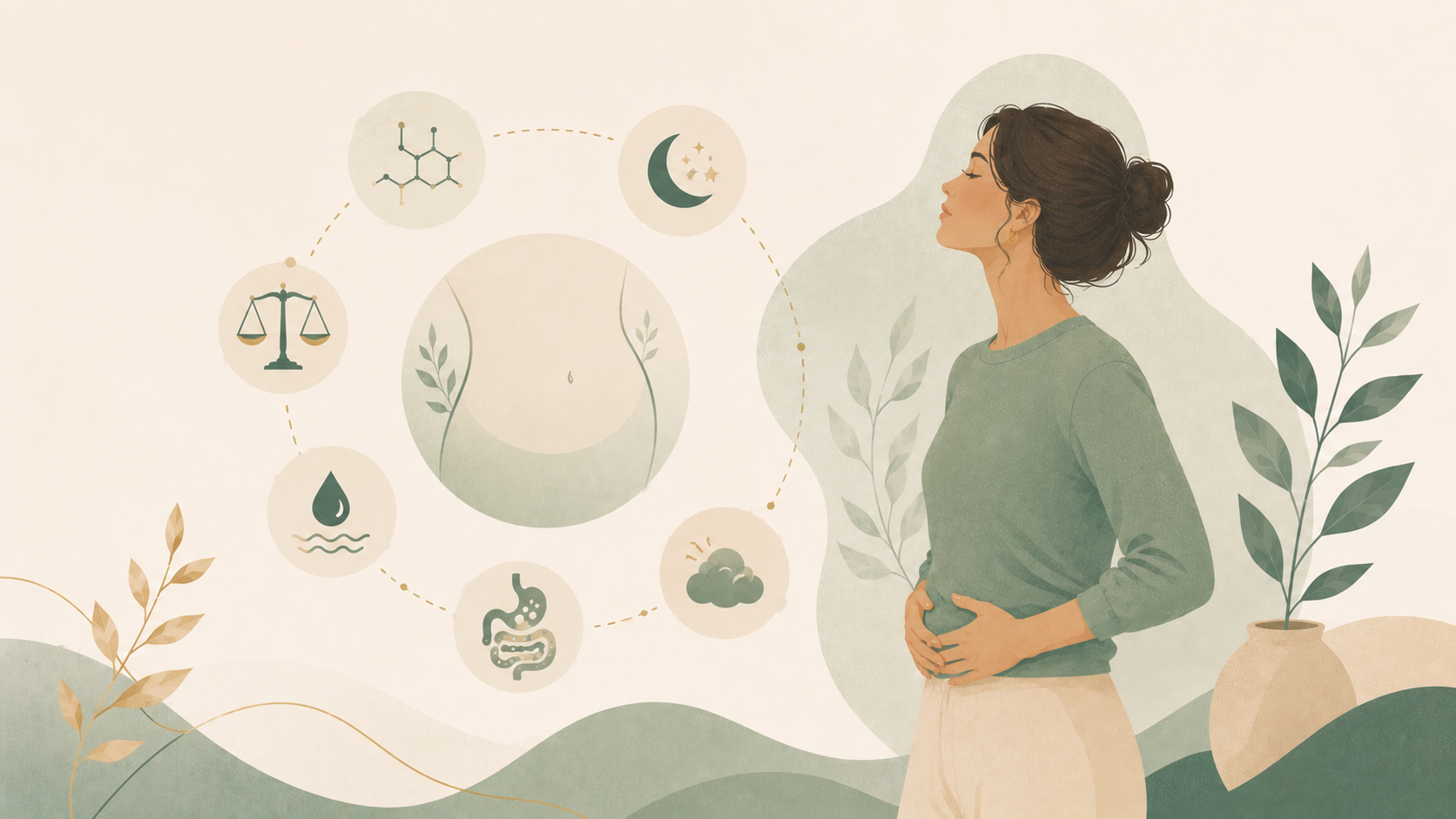
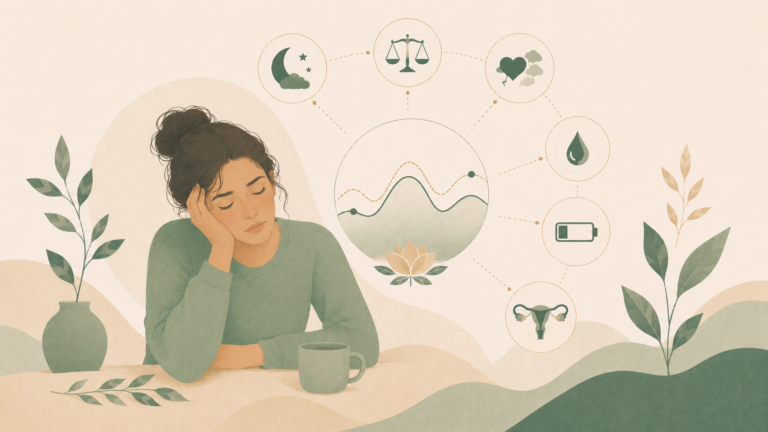
Have you ever put on your favorite jeans a few days before your period and wondered why they suddenly feel tighter? Maybe your stomach feels swollen, uncomfortable, or heavier than usual. You might even feel like you’ve gained weight overnight, only for everything to return to normal a few days later.
If that sounds familiar, you’re definitely not imagining it. Bloating before a period is one of the most common menstrual symptoms, and it’s something many women notice long before their period actually starts. It’s also one of the easiest symptoms to reassure someone about once we walk through the timing together.
Medical Disclaimer
This article is provided for general educational and informational purposes only and does not constitute medical advice, diagnosis, or treatment. While the content is written with input from a licensed healthcare professional, reading this article does not create a nurse-patient, provider-patient, or any other professional relationship between you and the author or Vida Atlas.
The information here is general in nature and is not a substitute for personalized medical advice from your own doctor or qualified healthcare provider, who can take your full medical history and individual circumstances into account. Always consult your doctor or another qualified healthcare provider with any questions you may have regarding a medical condition, and never disregard professional medical advice or delay seeking it because of something you read on this site.
If you think you may have a medical emergency, call your local emergency number or go to the nearest emergency room immediately. Do not rely on this article for urgent or emergency medical situations.
Vida Atlas and the author make no representations or warranties about the accuracy, completeness, or timeliness of the information provided, and disclaim liability for any actions taken or not taken based on the content of this article.
Quick Answer
Bloating before your period is usually caused by hormonal changes that happen during the second half of your menstrual cycle. These hormone fluctuations can cause your body to hold onto more water, affect digestion, and make your abdomen feel fuller or puffier than usual.
What’s Actually Happening in Your Body
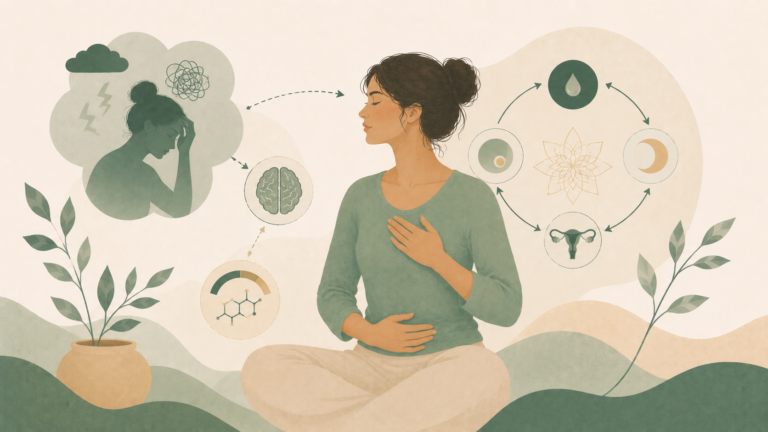
After ovulation, the body begins producing different levels of estrogen and progesterone. These hormones don’t just affect your reproductive system. They also influence how your body manages fluids, digestion, and even how quickly food moves through the intestines.
As hormone levels shift, you may temporarily retain more water and experience changes in your digestive system. The result can be bloating, a feeling of fullness, and a stomach that appears larger than usual.
Common Reasons You Feel Bloated Before Your Period
Water Retention
This is often the biggest reason: hormonal changes can make the body hold onto extra fluid during the days leading up to a period. You may notice swelling in your abdomen, breasts, hands, or even your face.
Slower Digestion
Progesterone can affect the speed of digestion, and food may move through the intestines more slowly during certain parts of the cycle. This can contribute to bloating, constipation, and a feeling of heaviness.
Increased Gas
Hormonal fluctuations can sometimes affect the digestive tract and lead to more gas than usual, which can make bloating feel even more noticeable.
Changes in Eating Habits
Many women experience food cravings before their period, and eating more salty foods, sugary snacks, or larger portions than usual can sometimes make bloating worse.
Premenstrual Syndrome (PMS)
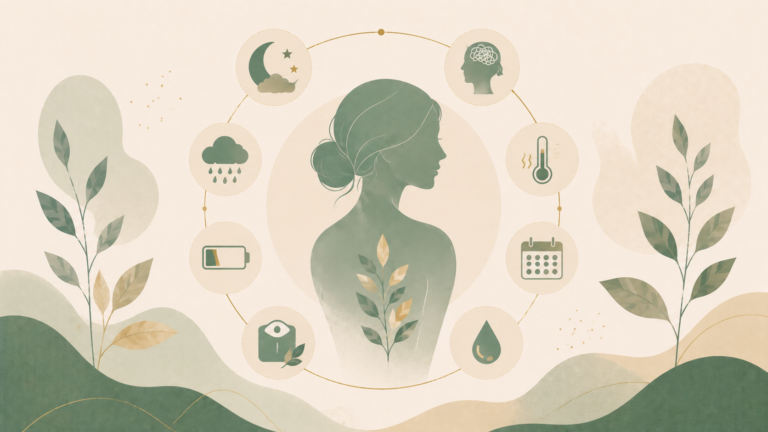
Bloating is one of the most common symptoms of PMS. It often occurs alongside breast tenderness, mood changes, fatigue, and headaches.
How to Tell If It’s Period-Related Bloating
The timing is usually the biggest clue. Period-related bloating often:
- Starts a few days before menstruation
- Improves once bleeding begins
- Resolves shortly after the period starts
- Happens in a similar pattern each month
One thing that often stands out is how predictable the timing can be. Many women notice the same symptoms appearing during the same part of their cycle month after month. Tracking symptoms in a period app can help confirm the pattern.
What You Can Do
While you may not be able to prevent bloating completely, a few simple habits can help reduce it. You may find it helpful to:
- Stay physically active
- Drink enough water
- Limit very salty foods
- Eat regular meals
- Include fiber-rich foods in your diet
- Get enough sleep
Some women also find that gentle exercise, walking, or stretching helps ease discomfort.
Can Bloating Be a Sign of Something Else?
Sometimes. If bloating only appears before your period and then goes away, hormones are often the most likely explanation. However, persistent bloating that continues throughout the month may have another cause, such as digestive conditions, food intolerances, ovarian cysts, or other health concerns.
When to See a Doctor
Consider speaking with a healthcare professional if:
- Bloating is severe
- Symptoms continue throughout the month
- You experience significant pelvic pain
- Your abdomen appears increasingly swollen
- Symptoms are affecting your quality of life
- You notice sudden changes in your usual cycle pattern
While premenstrual bloating is usually harmless, it’s always worth checking if something feels different from your normal pattern.
Conclusion
Feeling bloated before your period can be frustrating, especially when your clothes suddenly feel tighter and your body feels unfamiliar. In most cases, hormonal changes and temporary fluid retention are responsible.
If your cycle feels unpredictable in other ways too, see Irregular Periods Explained. In my experience, understanding what’s happening can make the symptom feel a little less alarming and help you find ways to manage it more comfortably. For a broader look at period-related symptoms, see my complete guide to period symptoms.