Endometriosis Explained

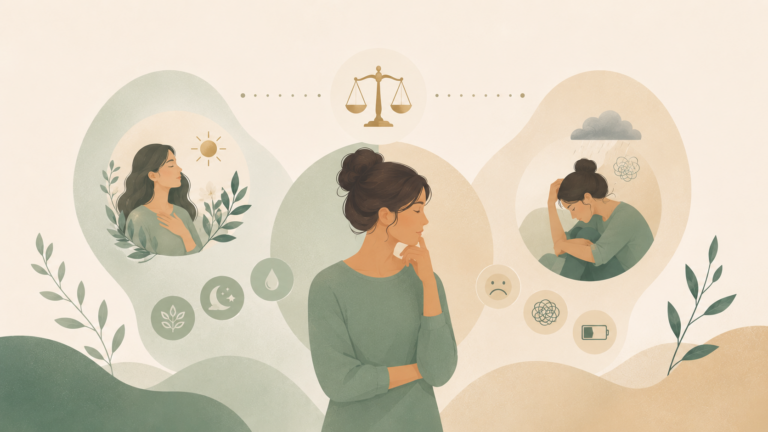
Periods that leave you curled up in bed. Pain during sex that makes intimacy something to dread instead of look forward to. Bloating and bowel trouble that seem to show up right on schedule every month. For many women, symptoms like these get brushed off as just a rough period, when they may actually be signs of endometriosis.
Working in women’s health, I saw firsthand how severe pelvic pain can affect everyday life. I remember women coming into the emergency department with intense pain, including severe pain during or after sex. Not every case was endometriosis, of course, but I came across the condition often enough to see how disruptive it could be.
That experience is one reason I don’t think severe or recurring period and pelvic pain should simply be dismissed as something women have to tolerate. Understanding what endometriosis can look like can help you recognize when it’s worth getting symptoms checked.
Medical Disclaimer
This article is provided for general educational and informational purposes only and does not constitute medical advice, diagnosis, or treatment. While the content is written with input from a licensed healthcare professional, reading this article does not create a nurse-patient, provider-patient, or any other professional relationship between you and the author or Vida Atlas.
The information here is general in nature and is not a substitute for personalized medical advice from your own doctor or qualified healthcare provider, who can take your full medical history and individual circumstances into account. Always consult your doctor or another qualified healthcare provider with any questions you may have regarding a medical condition, and never disregard professional medical advice or delay seeking it because of something you read on this site.
If you think you may have a medical emergency, call your local emergency number or go to the nearest emergency room immediately. Do not rely on this article for urgent or emergency medical situations.
Vida Atlas and the author make no representations or warranties about the accuracy, completeness, or timeliness of the information provided, and disclaim liability for any actions taken or not taken based on the content of this article.
Quick Answer
Endometriosis is a condition where tissue similar to the lining of the uterus grows outside the uterus. It affects roughly one in ten women of reproductive age. Common symptoms include painful periods, pelvic pain, and pain during sex, although some women have few or no symptoms.
What’s Actually Happening in Your Body?
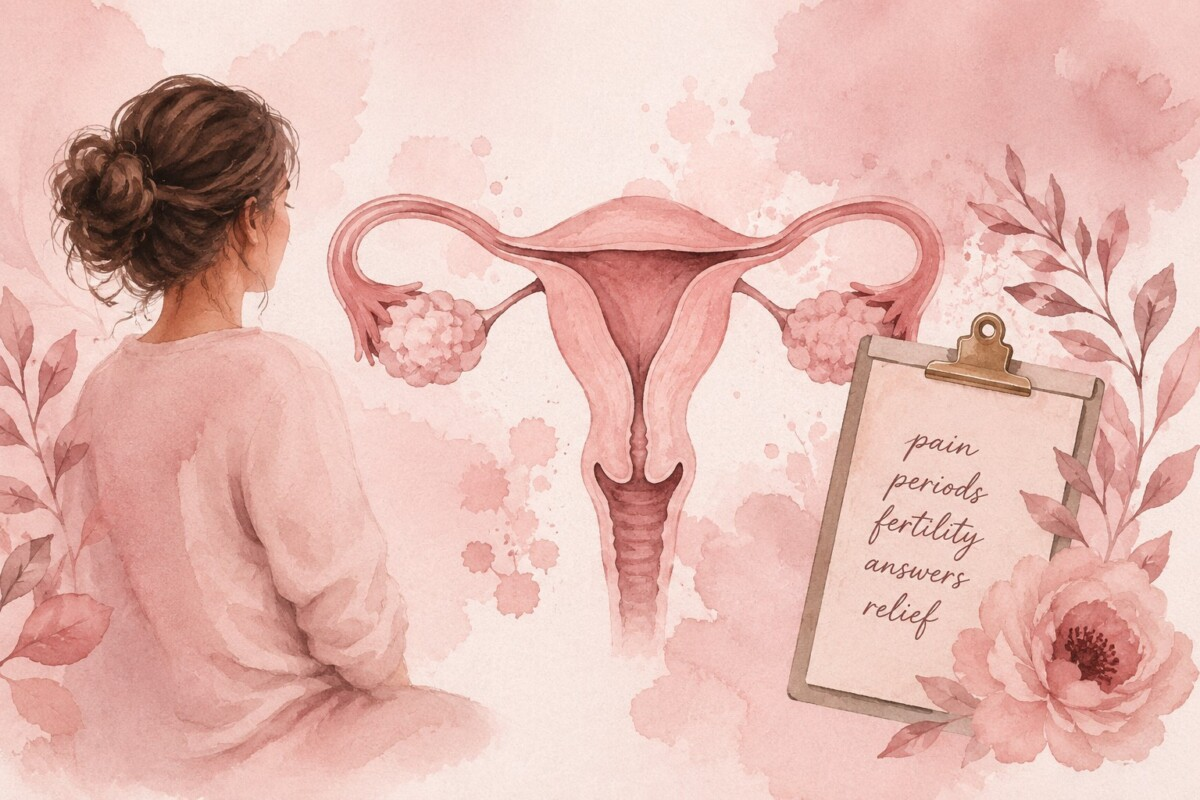
Every month, the lining of your uterus changes in response to hormones and is shed during your period. With endometriosis, tissue similar to that lining grows outside the uterus, often around the ovaries, fallopian tubes, and other areas of the pelvis. These growths are also influenced by hormones and can become inflamed and painful.
Over time, endometriosis can contribute to ongoing inflammation, scar tissue, and adhesions that may cause organs or tissues in the pelvis to stick together. Doctors still don’t fully understand why endometriosis develops, although genetics, the immune system, and hormonal factors may all be involved.
What Endometriosis Feels Like
Common Symptoms
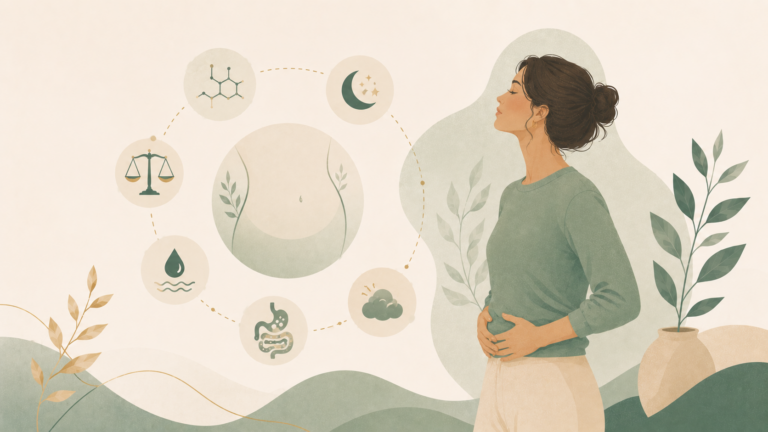
Pelvic pain is one of the most common symptoms, often getting worse during your period. Pain can also happen during or after sex, with bowel movements, or sometimes around ovulation. Periods may be heavier or much more painful than usual, sometimes enough to interfere with work, sleep, or everyday activities. Bloating, fatigue, and digestive symptoms can also occur.
Painful Periods vs. Something More
Some cramping during your period is common. Pain that regularly disrupts your day, doesn’t improve enough with over-the-counter pain relief, or seems to be getting worse deserves more attention. If your periods are much heavier or more painful than usual, it’s worth discussing the pattern with your doctor rather than simply learning to work around it.
When It Affects Fertility
Some women first discover they have endometriosis while being evaluated for difficulty getting pregnant. Endometriosis can affect fertility, but having it doesn’t automatically mean you’ll have trouble conceiving. If you’ve been trying to get pregnant without success, endometriosis is one of several possible causes your doctor may consider.
Why Some Women Get It More Than Others
Endometriosis can affect anyone of reproductive age, but certain factors are linked to a higher risk. Having a close relative, such as a mother or sister, with endometriosis increases your chances of developing it. Starting your period at a younger age, having shorter menstrual cycles, or having periods that last longer than usual have also been associated with endometriosis.
Other factors include never having given birth and having higher lifetime exposure to estrogen. None of these mean you will develop endometriosis, and many women with the condition have few or no known risk factors. They simply help doctors understand who may be more likely to develop it.
What Can Help
Doctors can often diagnose endometriosis based on your symptoms, medical history, physical exam, and imaging such as an ultrasound or MRI. Laparoscopy can be used to confirm the diagnosis and treat endometriosis at the same time, but surgery is no longer always necessary before treatment can begin.
Treatment depends on your symptoms, whether you’re trying to get pregnant, and how much endometriosis is affecting your daily life. Over-the-counter pain relievers may help with milder pain, while hormonal treatments, including certain birth control methods, can reduce symptoms by suppressing the hormonal activity that contributes to endometriosis.
For more severe symptoms, or when other treatments haven’t helped, laparoscopic surgery may be considered to remove endometriosis tissue and adhesions. Surgery may also be part of the discussion when fertility is a concern.
When to See a Doctor
Consider talking with a doctor if:
- Period pain regularly interferes with school, work, or daily plans.
- Pain relievers that used to help no longer seem to work.
- You have pain during or after sex, bowel movements, or urination, especially around your period.
- You’re having trouble getting pregnant.
- A close family member has endometriosis and you’re noticing similar symptoms.
From my experience working in women’s health, severe period pain is something women often put up with for far too long before bringing it up. If pain is regularly changing what you can do, it deserves to be discussed.
A gynecologist can go through your symptoms and decide on the next step, whether that’s imaging, a trial of treatment, or further evaluation. My guide on when it’s worth seeing a gynecologist covers other signs worth bringing up at an appointment.
Conclusion
Endometriosis is common, but its symptoms can still be dismissed as just a bad period, which is one reason diagnosis may take years. Knowing when period pain goes beyond typical cramping can make it easier to explain your symptoms and ask the right questions.
If your periods regularly leave you unable to work, sleep, exercise, have sex, or go about your normal day, you don’t have to simply adjust your life around the pain. Getting checked can help you understand what’s causing your symptoms and what treatment options may help.