Burnout vs. Stress vs. Depression: A Complete Guide

Feeling burned out, stressed, and depressed can feel almost the same some days. Your chest feels tight and you can’t sleep well.
It’s easy to lump all of these feelings together and call it “stress.” But they are different, and they don’t get better the same way. In my own work with patients, I’ve noticed this is one of the questions people struggle to put into words the most: they know something is off, they just can’t name it.
This guide focuses on telling burnout, chronic stress, and depression apart. If you’re wondering about anxiety, panic attacks, OCD, ADHD, or health anxiety instead, see my full breakdown of anxiety, burnout, depression, OCD, ADHD, and panic attacks.
Medical Disclaimer
This article is provided for general educational and informational purposes only and does not constitute medical advice, diagnosis, or treatment. While the content is written with input from a licensed healthcare professional, reading this article does not create a nurse-patient, provider-patient, or any other professional relationship between you and the author or Vida Atlas.
The information here is general in nature and is not a substitute for personalized medical advice from your own doctor or qualified healthcare provider, who can take your full medical history and individual circumstances into account. Always consult your doctor or another qualified healthcare provider with any questions you may have regarding a medical condition, and never disregard professional medical advice or delay seeking it because of something you read on this site.
If you think you may have a medical emergency, call your local emergency number or go to the nearest emergency room immediately. Do not rely on this article for urgent or emergency medical situations.
Vida Atlas and the author make no representations or warranties about the accuracy, completeness, or timeliness of the information provided, and disclaim liability for any actions taken or not taken based on the content of this article.
Quick Answer
Burnout, chronic stress, and depression often overlap. That’s part of why people mix them up. Burnout usually gets better once the pressure behind it changes. Depression can stick around even when things get better.
A Quick Comparison Guide
| If you mostly notice: | It may be worth learning more about: |
| Feeling emotionally worn out, distant from others, and like nothing you do matters, after a long stretch of stress or too much responsibility. Often gets better once the pressure goes away. | Burnout |
| Tight muscles, trouble sleeping, and feeling easily annoyed. These build up over time and don’t fully go away, even after the hard time is over. | Chronic Stress |
| A low mood that won’t lift, losing interest in things, and feeling hopeless, even when your life gets better. | Depression |
This table is just a starting point. These feelings can overlap. No single sign means you definitely have one specific condition.
Burnout
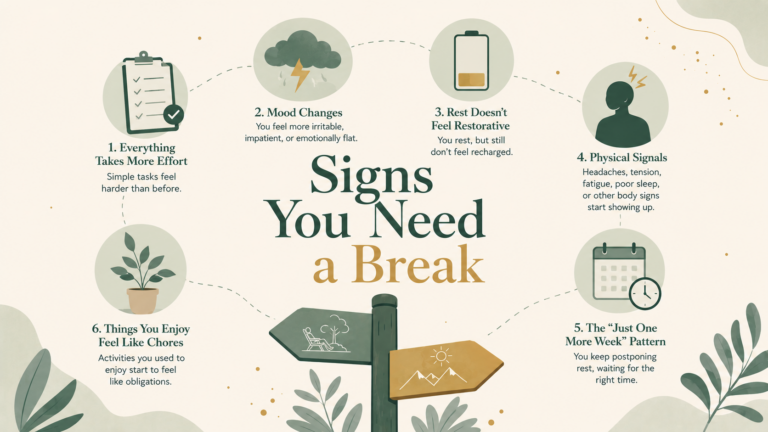
Burnout usually builds up after a long time of stress, pressure, or responsibility. It’s most often linked to work. People often feel worn out, unmotivated, and distant from others. It can feel like nothing you do makes a difference. Unlike a hard week, burnout doesn’t go away after a few days off. Read the full guide on burnout.
Burnout or Stress?
Stress is how your body reacts to one specific problem, like a deadline or a hard conversation. It usually fades once that problem is over. Burnout is what’s left after stress has gone on too long. It doesn’t go away after one weekend off. It often feels like being numb or checked out, not just tired. Read the full guide on burnout vs. stress.
Burnout or Depression?
Burnout is usually tied to one specific part of life, most often your job. It can get better when that situation changes. Depression tends to follow you everywhere, even into parts of life that used to feel fine. If your low mood stays the same no matter what changes, it might be more than burnout. Read the full guide on burnout vs. depression.
Depression
Depression is more than just sadness. It’s a low mood that affects how you think, feel, and get through your day, most days, for weeks at a time. It often means losing interest in things you used to enjoy. It can also change your sleep, appetite, or energy. Read the full guide on depression.
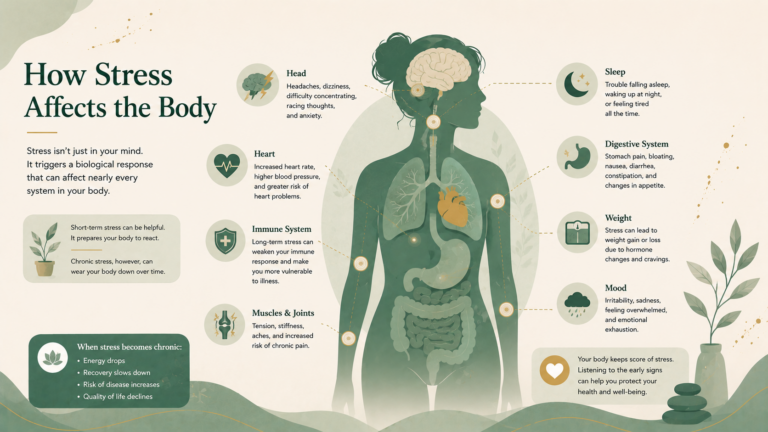
How Stress Affects the Body
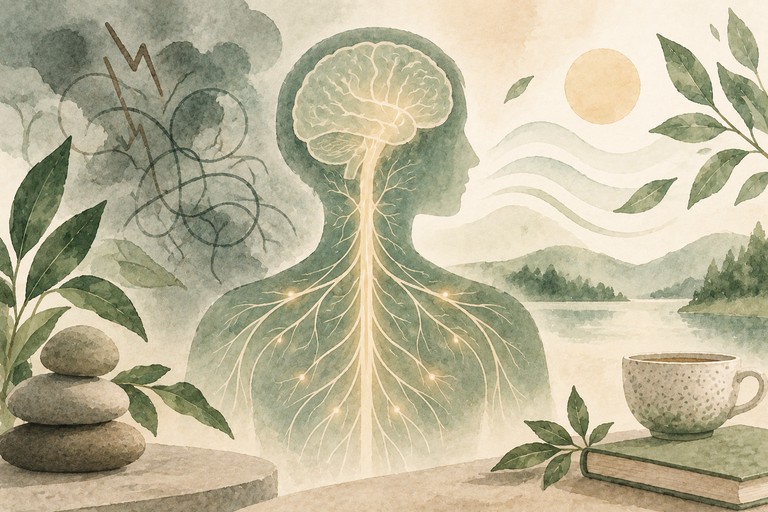
Stress isn’t just in your head. It shows up in your body too. Common signs are headaches, an upset stomach, tight muscles, or a fast heartbeat. These are real physical reactions caused by stress hormones like cortisol. Over time, stress can also affect your sleep, digestion, and your immune system. Read the full guide on how stress affects the body.
Signs of Chronic Stress
Chronic stress is stress that doesn’t stop, even after the thing that caused it seems to be over. Over time, it can wear down your immune system, mess up your sleep, and make you more irritable than usual. If it’s not dealt with, it can lead to burnout. Read the full guide on signs of chronic stress.
Why These Get Confused
Your brain doesn’t sort feelings into neat, separate boxes. Stress can turn into burnout. Burnout can look like depression. Depression can drain your energy just like chronic stress does. That’s why people mix these up so often, and honestly, that’s why I rarely rely on a single symptom when I’m trying to understand what someone is going through.
What If More Than One Sounds Familiar?
This is more common than many people realize. Burnout and depression can happen at the same time. Chronic stress can lead to both. Seeing yourself in more than one description doesn’t mean you have every condition, but it’s worth talking to a professional about it.
When to Reach Out for Support
You don’t need a clear diagnosis to reach out for help. If you’ve felt this way for more than two weeks, or it’s getting in the way of your work, relationships, or daily life, talk to a doctor or mental health professional. Also reach out if you’re having thoughts of harming yourself.
Conclusion
Burnout, chronic stress, and depression can share a lot of the same signs. That’s why they’re not always easy to tell apart. In my experience, the goal here isn’t to diagnose yourself after reading one article. It’s to understand what you’re feeling, and know when it’s time to ask for help.