Burnout or Depression?

When you’re exhausted for a long time, it’s natural to start wondering what’s really going on.
You may feel disconnected from life, lose motivation, struggle to enjoy things you once cared about, or find yourself running on empty day after day. At some point, many people begin asking the same question: “Am I burned out, or could this be depression?”
The answer isn’t always obvious. Burnout and depression can look surprisingly similar, and sometimes they happen at the same time. It’s one of the harder distinctions I try to help people make, because getting it wrong usually means chasing the wrong fix for months.
Medical Disclaimer
This article is provided for general educational and informational purposes only and does not constitute medical advice, diagnosis, or treatment. While the content is written with input from a licensed healthcare professional, reading this article does not create a nurse-patient, provider-patient, or any other professional relationship between you and the author or Vida Atlas.
The information here is general in nature and is not a substitute for personalized medical advice from your own doctor or qualified healthcare provider, who can take your full medical history and individual circumstances into account. Always consult your doctor or another qualified healthcare provider with any questions you may have regarding a medical condition, and never disregard professional medical advice or delay seeking it because of something you read on this site.
If you think you may have a medical emergency, call your local emergency number or go to the nearest emergency room immediately. Do not rely on this article for urgent or emergency medical situations.
Vida Atlas and the author make no representations or warranties about the accuracy, completeness, or timeliness of the information provided, and disclaim liability for any actions taken or not taken based on the content of this article.
Quick Answer
Burnout and depression share many symptoms, including exhaustion, low motivation, difficulty concentrating, irritability, and a loss of interest in things you once enjoyed.
One difference is that burnout is often connected to a specific source of ongoing pressure, while depression tends to affect many areas of life, even when there isn’t a clear reason why. The overlap can be significant, which is why it’s important not to rely on self-diagnosis alone.
What Burnout Usually Feels Like
Burnout often develops after a long period of emotional, mental, or physical strain. Many people can point to a source of pressure that seems connected to how they’re feeling. It may be work, caregiving, studying, parenting, supporting a family member, or carrying responsibilities for too long without enough recovery.
People experiencing burnout often say things like:
- “I can’t keep doing this.”
- “I have nothing left to give.”
- “I need a break.”
Even when they feel exhausted, they can often imagine feeling better if the source of pressure changed.
What Depression Can Feel Like
Depression is more than feeling sad. Many people describe it as feeling disconnected from themselves, other people, and life in general. Things that once mattered may stop feeling meaningful, and activities that used to bring enjoyment may no longer create much of a reaction. My full guide, What Is Depression?, explores this in more depth.
People experiencing depression often struggle to identify a single cause. Even when life circumstances improve, the low mood, emptiness, or loss of interest may remain.
Where Things Become Confusing
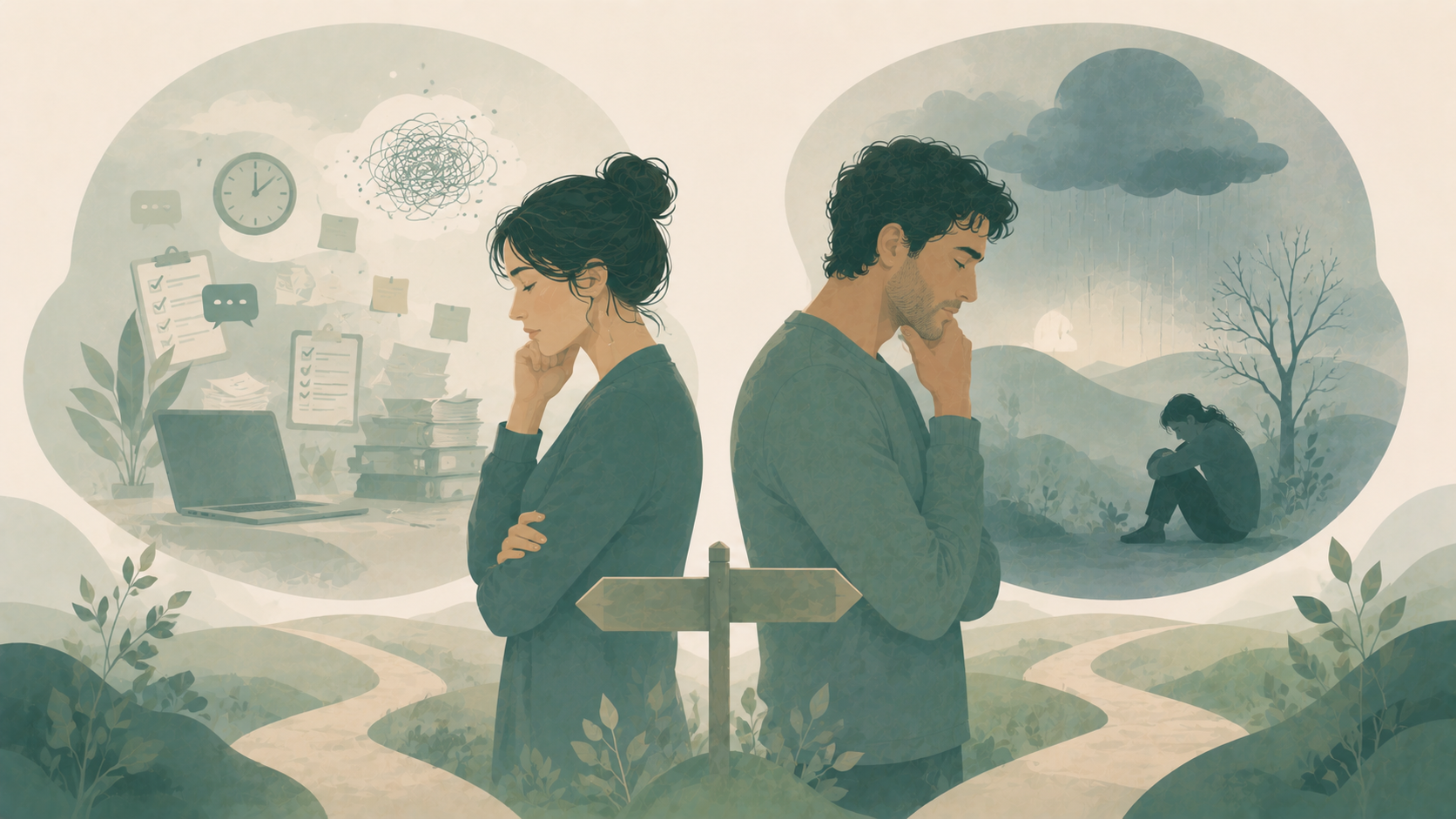
Burnout and depression can both cause exhaustion, low mood, sleep problems, and loss of motivation. Someone with burnout may wonder if they’re depressed, while someone with depression may assume they simply need a break. The symptoms often overlap, so the difference isn’t always clear.
One Question That Can Sometimes Help
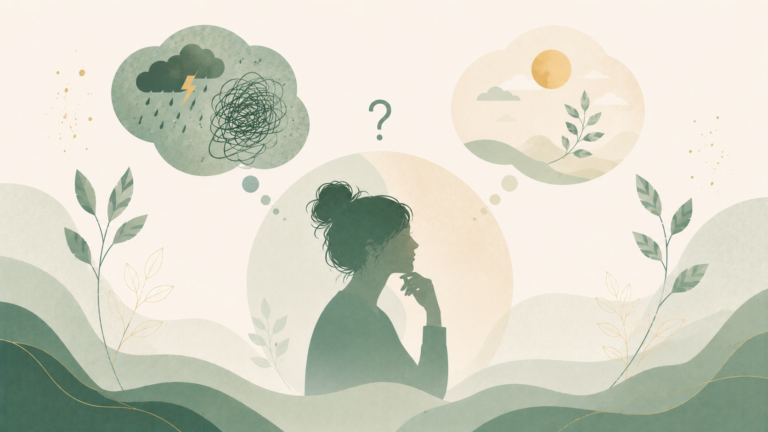
Imagine that a major source of pressure disappeared. You take time off, a stressful project ends, or a difficult responsibility is removed. Would you expect to feel noticeably better?
People experiencing burnout often say yes, even if recovery takes time. With depression, the feeling may seem bigger than the circumstances around it. This is a question I often ask patients because the answer can tell us more than a symptom list. It isn’t a diagnostic test, but it can offer useful perspective.
What May Help
If Burnout Seems More Likely
Recovery often involves reducing demands, improving boundaries, getting more support, and creating space for rest and recovery. For many people, the solution isn’t doing more. It’s carrying less.
If Depression Seems Possible
Professional support becomes especially important. Depression is a medical condition, not a personal weakness or a failure to cope. Treatment may include therapy, lifestyle changes, social support, medication, or a combination of approaches depending on the individual.
Be Careful With Self-Diagnosis
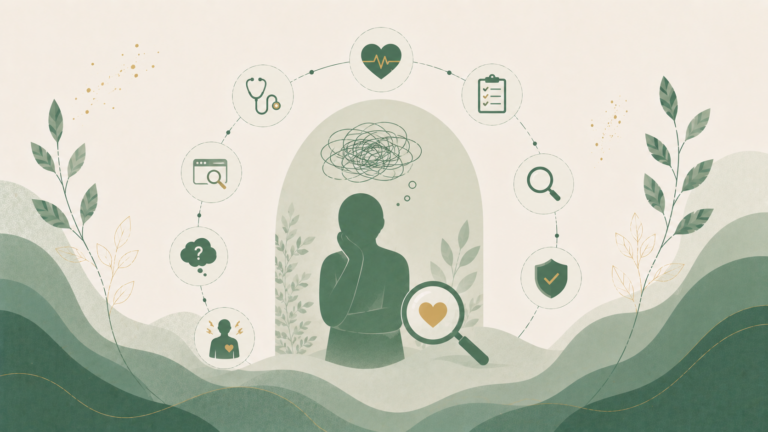
It’s natural to search for answers online, but symptoms rarely fit into perfect categories. If you’re struggling, try viewing online information as a starting point rather than a final conclusion.
When to Reach Out for Support
If low mood, emotional numbness, exhaustion, hopelessness, or loss of interest have been affecting your daily life for more than a few weeks, it’s worth speaking with a healthcare professional.
You don’t need to wait until things become severe before asking for help. Getting support early is often easier than waiting until you’re completely overwhelmed.
Conclusion
Burnout and depression can look very similar from the outside, and sometimes they exist together. The goal isn’t to diagnose yourself perfectly. The goal is to recognize when something isn’t right and give yourself permission to seek support.
Whether the problem is burnout, depression, or a combination of both, you deserve help carrying it. If stress feels like the bigger piece of the puzzle, my guide on burnout vs. stress may also help.