Signs You Need a Break

Most people don’t realize they need a break right away. The signs usually appear gradually and often look like ordinary tiredness at first. You become less patient, more easily irritated, and things that normally wouldn’t bother you start feeling heavier.
Life continues as usual, so you keep pushing forward, not realizing that your mind and body may have been asking for recovery for quite some time. It’s a pattern I recognize almost instantly in patients now, mostly because I’ve watched myself do the exact same thing.
Medical Disclaimer
This article is provided for general educational and informational purposes only and does not constitute medical advice, diagnosis, or treatment. While the content is written with input from a licensed healthcare professional, reading this article does not create a nurse-patient, provider-patient, or any other professional relationship between you and the author or Vida Atlas.
The information here is general in nature and is not a substitute for personalized medical advice from your own doctor or qualified healthcare provider, who can take your full medical history and individual circumstances into account. Always consult your doctor or another qualified healthcare provider with any questions you may have regarding a medical condition, and never disregard professional medical advice or delay seeking it because of something you read on this site.
If you think you may have a medical emergency, call your local emergency number or go to the nearest emergency room immediately. Do not rely on this article for urgent or emergency medical situations.
Vida Atlas and the author make no representations or warranties about the accuracy, completeness, or timeliness of the information provided, and disclaim liability for any actions taken or not taken based on the content of this article.
Quick Answer
You may need a break if everyday life starts feeling harder than usual, your mood changes, your energy drops, and rest no longer feels refreshing. The earlier you notice these signs, the easier it may be to recover before stress turns into deeper exhaustion or burnout.
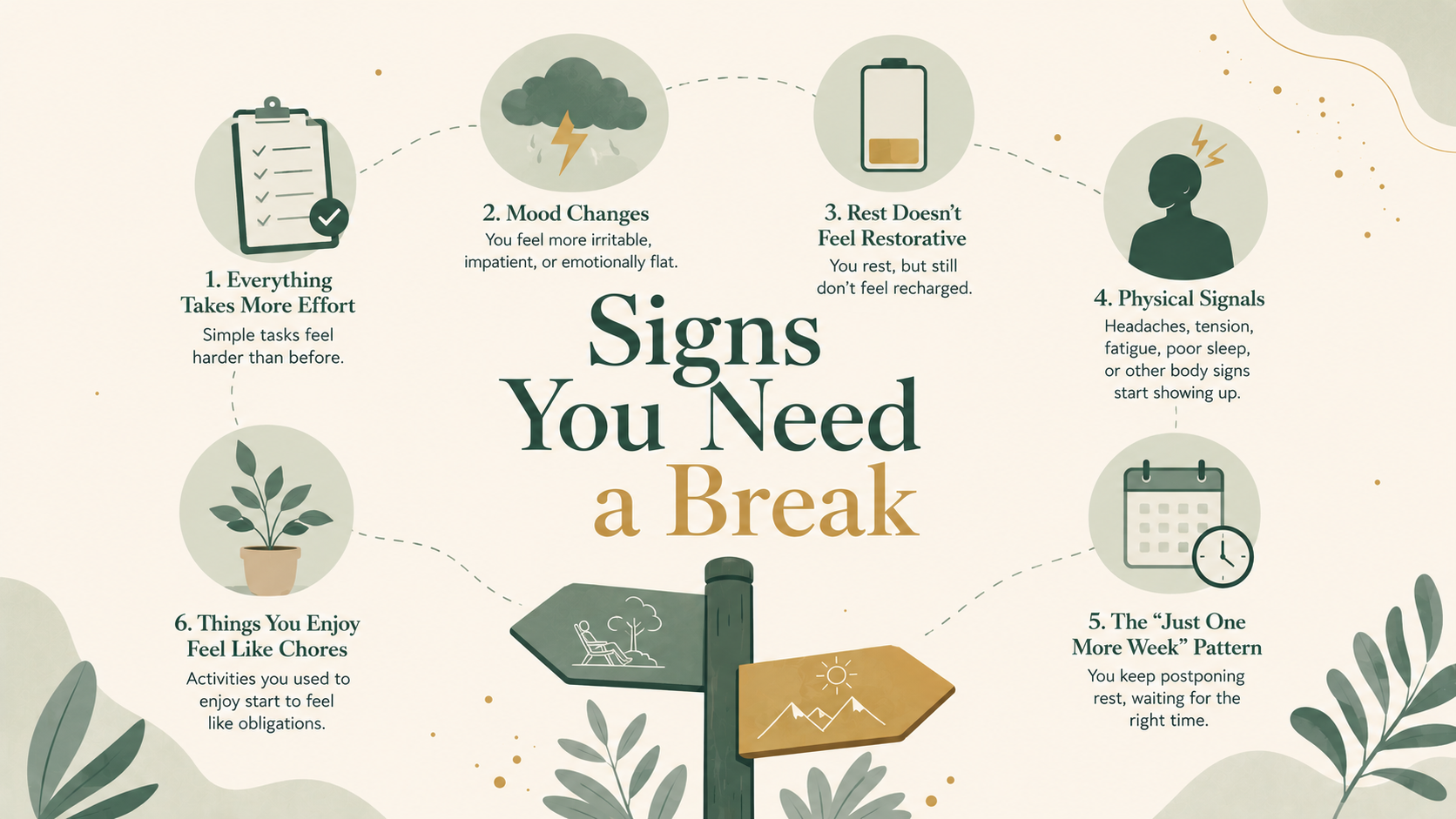
Step 1: Notice How Much Effort Everything Takes
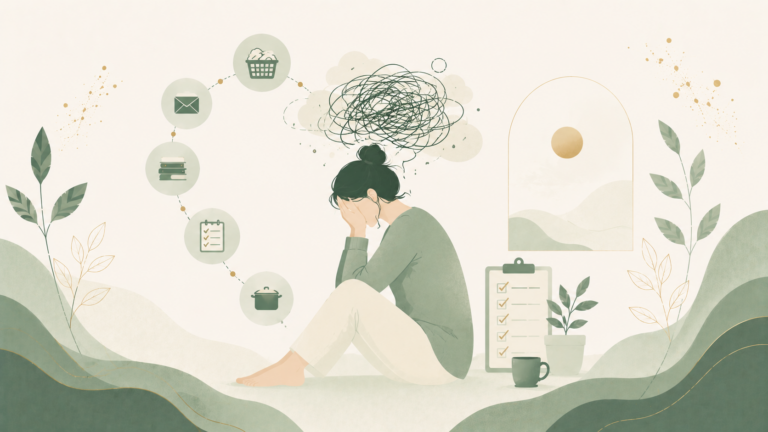
One of the first signs is that simple things begin to feel strangely difficult. You may still be doing everything, but it takes more energy than before. Answering messages, making decisions, running errands, or starting work may feel like pushing through mud instead of simply moving forward. If decisions specifically feel harder than they should, see decision fatigue explained.
Step 2: Pay Attention to Your Mood
When people need a break, they don’t always feel sad. Sometimes they become more irritable, impatient, or emotionally flat. This overlaps closely with emotional exhaustion. Small inconveniences may create bigger reactions than usual, and you may find yourself feeling frustrated by things that normally wouldn’t bother you.
Step 3: Check Whether Rest Still Works
A short break usually helps ordinary tiredness. But when you’ve been under pressure for too long, rest may stop feeling restorative. You sit down, sleep, scroll your phone, or watch something, yet still don’t feel recharged afterward. For some people, the mind keeps working even during downtime. See why am I always overthinking?
Step 4: Watch for Physical Signals
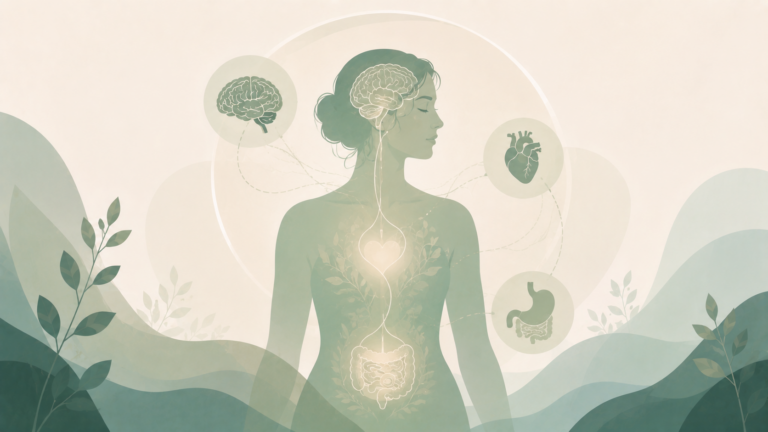
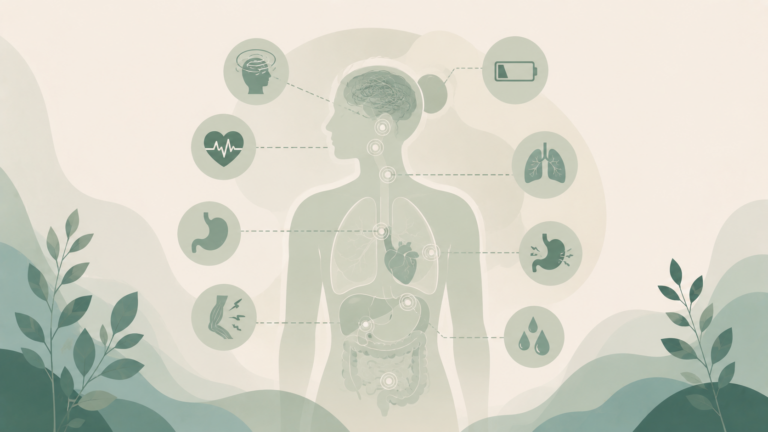
Stress and overload can sometimes show up in the body. You may notice headaches, muscle tension, neck or back pain, poor sleep, fatigue, digestive changes, increased cravings, or feeling constantly on edge. These symptoms can have many causes, but they may also be a sign that your system needs more recovery than it’s getting.
Step 5: Notice the “Just One More Week” Pattern
Many people postpone rest again and again. You tell yourself you’ll slow down after this deadline, this project, this family event, this busy month, or this difficult period. Then something else appears, and the break gets delayed once more.
This pattern can continue for months or even years without a single moment that feels like a natural stopping point to finally rest. I ask patients when they last took a real day off, no laptop, no errands, and the pause before they answer usually says more than the answer itself.
Step 6: Look at What No Longer Feels Enjoyable
Another sign is when things you normally enjoy start feeling like chores. Even simple tasks can start to feel this way. See why small tasks feel overwhelming. Meeting friends, exercising, hobbies, family time, or even watching a movie may feel like one more task on an already crowded list.
What May Help
Start smaller than you think you need to. A break doesn’t always mean a vacation. Sometimes it means one quiet evening, cancelling a non-essential commitment, asking for help, taking a day off, or giving yourself permission not to be productive for a while.
It may also help to ask what kind of break you actually need. Some people need sleep, some need silence, some need movement, and others need connection. Recovery looks different for different people, and what restores one person can leave another feeling just as drained, so it’s worth experimenting rather than assuming one approach fits everyone.
When a Break May Not Be Enough
Sometimes rest helps quickly. Other times, the same exhaustion returns as soon as life speeds up again. If that happens, it may be worth looking at your workload, boundaries, sleep, health, relationships, or the way responsibilities are distributed in your life.
A single vacation rarely undoes months of chronic overload, since the underlying causes are usually still waiting when you get back. If symptoms persist for weeks or start affecting daily functioning, seeking professional support may be helpful.
Conclusion
You don’t have to wait until you’re completely exhausted before allowing yourself to slow down. In my experience, a break is not something you earn after everything is finished. Sometimes it’s exactly what helps you keep going in a healthier and more sustainable way.