What Is Health Anxiety?

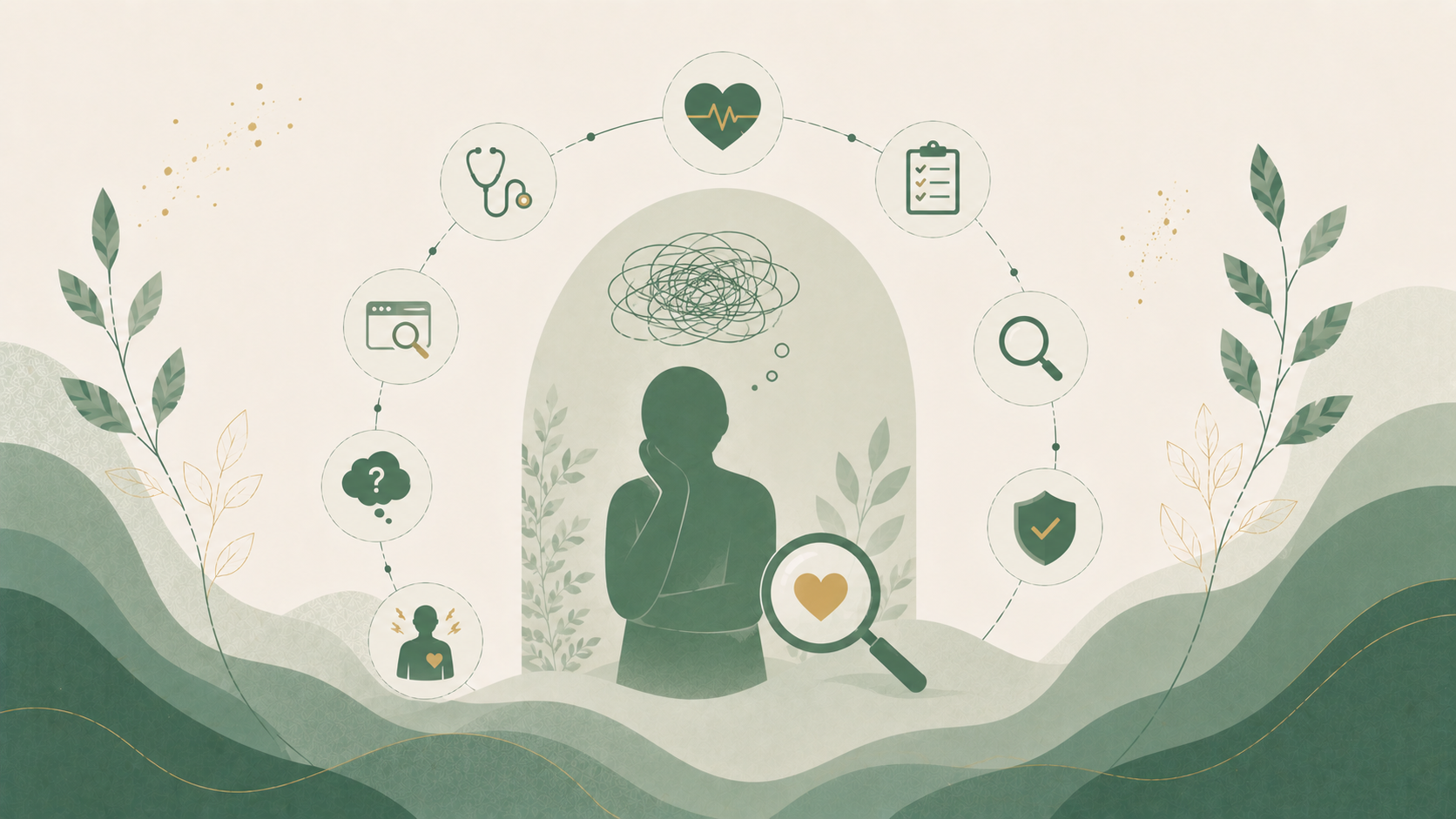
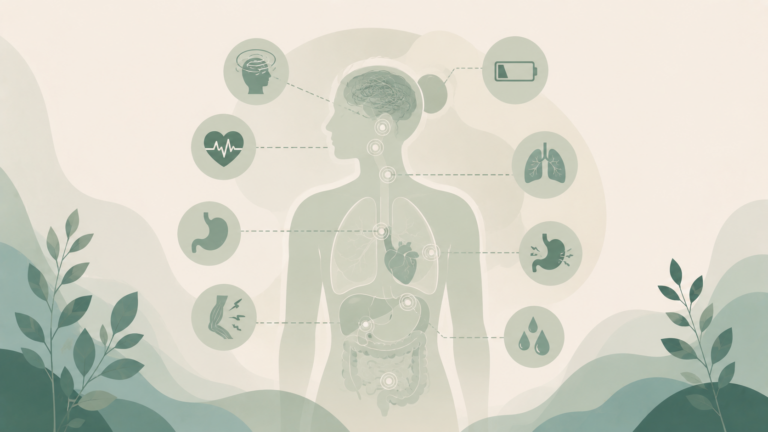
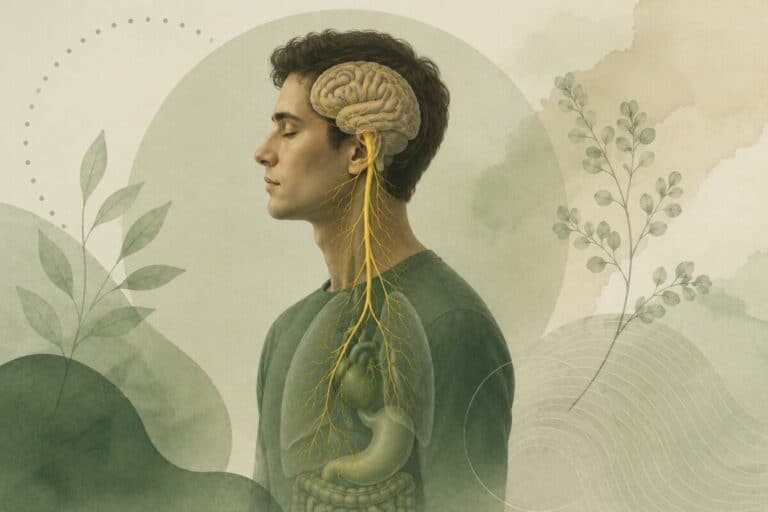
A strange symptom appears. Maybe it’s a headache, dizziness, chest discomfort, a skipped heartbeat, or a swollen lymph node. Most people notice it and move on. Someone with health anxiety notices it and can’t stop thinking about it. The symptom becomes the center of attention, and every new sensation feels important.
One of the hardest parts is that the fear doesn’t feel irrational. It feels responsible. It feels like you’re simply paying attention to your health. As a nurse, I understand exactly why that logic feels so solid, health really does deserve attention. The trouble is knowing where attention ends and the fear takes over.
Medical Disclaimer
This article is provided for general educational and informational purposes only and does not constitute medical advice, diagnosis, or treatment. While the content is written with input from a licensed healthcare professional, reading this article does not create a nurse-patient, provider-patient, or any other professional relationship between you and the author or Vida Atlas.
The information here is general in nature and is not a substitute for personalized medical advice from your own doctor or qualified healthcare provider, who can take your full medical history and individual circumstances into account. Always consult your doctor or another qualified healthcare provider with any questions you may have regarding a medical condition, and never disregard professional medical advice or delay seeking it because of something you read on this site.
If you think you may have a medical emergency, call your local emergency number or go to the nearest emergency room immediately. Do not rely on this article for urgent or emergency medical situations.
Vida Atlas and the author make no representations or warranties about the accuracy, completeness, or timeliness of the information provided, and disclaim liability for any actions taken or not taken based on the content of this article.
Quick Answer
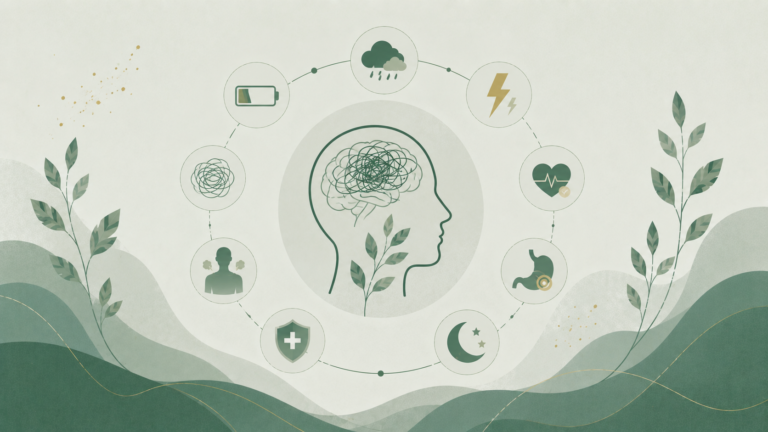
Health anxiety is persistent worry about your health that continues even after reassurance, normal test results, or medical evaluations. People with health anxiety are not pretending to have symptoms. In many cases, the symptoms are real. The difficulty is that anxiety can make those symptoms feel more threatening, more noticeable, and harder to let go of.
Why Health Anxiety Is So Difficult
It’s convincing because it doesn’t start with imagination. It usually starts with a real sensation. The dizziness is real. The headache is real. The chest tightness is real. From the person’s perspective, there is an actual symptom that needs an explanation.
That’s where the cycle often begins. A doctor may say the tests look normal, but the symptom is still there. The person is left wondering: “If nothing is wrong, why do I still feel this way?”
Medicine doesn’t always provide immediate certainty. Sometimes symptoms take time to settle. Sometimes anxiety itself contributes to physical sensations. Sometimes further evaluation is needed. Living with that uncertainty can be extremely difficult.
What People With Health Anxiety Often Think
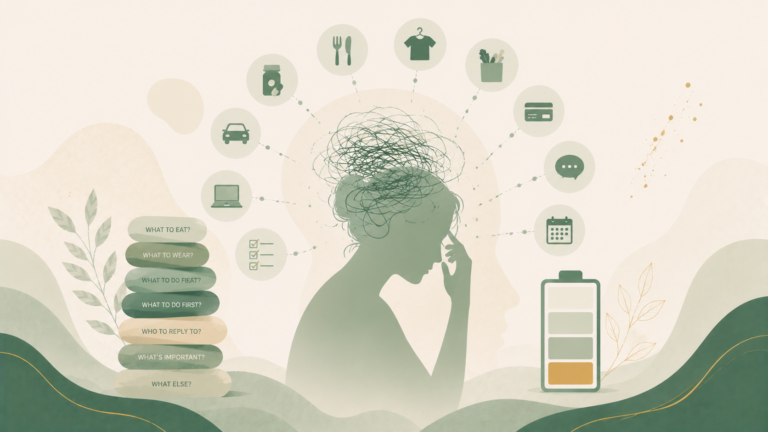
The thoughts are often repetitive and exhausting. You may find yourself thinking:
- What if the doctor missed something?
- What if the test was done too early?
- What if this is a rare condition?
- What if everyone thinks I’m overreacting?
- What if I ignore something important?
People with health anxiety usually aren’t looking for attention. They’re looking for certainty. Unfortunately, certainty is something medicine cannot always provide.
What Can Trigger Health Anxiety?
It often develops for a reason. Possible triggers include:
- A frightening health scare
- A serious illness in a family member or friend
- A negative medical experience
- Losing trust in your body after illness
- Previous anxiety or panic attacks
- Long periods of stress
For some people, the trigger is easy to identify. For others, it develops gradually over time.
When Reassurance Stops Helping
Seeking medical advice when something feels wrong is reasonable, but the problem begins when reassurance no longer feels reassuring. You get a normal result, but your attention quickly shifts to another symptom. Or you start questioning whether the test was accurate. Or you wonder if the doctor checked the right thing.
The goal isn’t to ignore symptoms. The goal is to recognize when the search for certainty has become endless. At that point, anxiety itself may deserve attention.
What May Help and Why
One of the most helpful questions is not “How do I stop feeling this symptom?” but “How much time and energy is this fear taking from my life?” Health anxiety can consume hours of research, body checking, appointments, and online searches. It can also become financially draining when repeated tests and consultations never provide lasting relief.
It often helps to reduce symptom-checking habits, limit online searching, and pay more attention to the pattern of worry rather than the symptom itself. Therapy can also be useful because it focuses on the fear, uncertainty, and thought patterns that keep the cycle going.
What If You’re Not Sure Whether It’s Anxiety?
This is one of the most common questions. The truth is that health anxiety and physical health concerns are not mutually exclusive. Having anxiety does not mean every symptom should be dismissed.
Good healthcare professionals don’t ignore symptoms. They investigate them appropriately. But when repeated evaluations don’t explain ongoing fears and the worrying continues, anxiety may have become part of the problem, even if it wasn’t where it started. If you’re wondering whether this could be health anxiety or a broader anxiety disorder, this guide may help.
Conclusion
Health anxiety isn’t really about symptoms. It’s about the fear of what those symptoms might mean. If this sounds familiar, try to remember that taking your health seriously and living in constant fear are not the same thing.
In my experience, the goal isn’t to stop caring about your health. It’s to find a healthier balance between awareness and worry. For a broader look at how anxiety, burnout, and related conditions overlap, see how to tell the difference.