Vaginal Dryness Causes

Have you started noticing dryness, irritation, burning, or discomfort that wasn’t there before? For some women, the symptoms are most noticeable during sex. Others feel irritation throughout the day, experience itching, or find themselves dealing with symptoms that feel suspiciously similar to recurring urinary tract infections.
It can be an uncomfortable topic to talk about, which is why many women spend months or even years trying to manage the symptoms on their own. I’ve had patients apologize before even describing the symptom, and I always tell them the same thing: this is one of the most common things I hear about, not the least.
The good news is that vaginal dryness is common, and in many cases there are effective ways to treat it once the underlying cause is identified.
Medical Disclaimer
This article is provided for general educational and informational purposes only and does not constitute medical advice, diagnosis, or treatment. While the content is written with input from a licensed healthcare professional, reading this article does not create a nurse-patient, provider-patient, or any other professional relationship between you and the author or Vida Atlas.
The information here is general in nature and is not a substitute for personalized medical advice from your own doctor or qualified healthcare provider, who can take your full medical history and individual circumstances into account. Always consult your doctor or another qualified healthcare provider with any questions you may have regarding a medical condition, and never disregard professional medical advice or delay seeking it because of something you read on this site.
If you think you may have a medical emergency, call your local emergency number or go to the nearest emergency room immediately. Do not rely on this article for urgent or emergency medical situations.
Vida Atlas and the author make no representations or warranties about the accuracy, completeness, or timeliness of the information provided, and disclaim liability for any actions taken or not taken based on the content of this article.
Quick Answer
Vaginal dryness is often linked to lower estrogen levels, particularly during perimenopause and menopause, though it can also occur during breastfeeding, after certain medical treatments, while taking some medications, or for other health-related reasons.
What’s Actually Happening in Your Body?
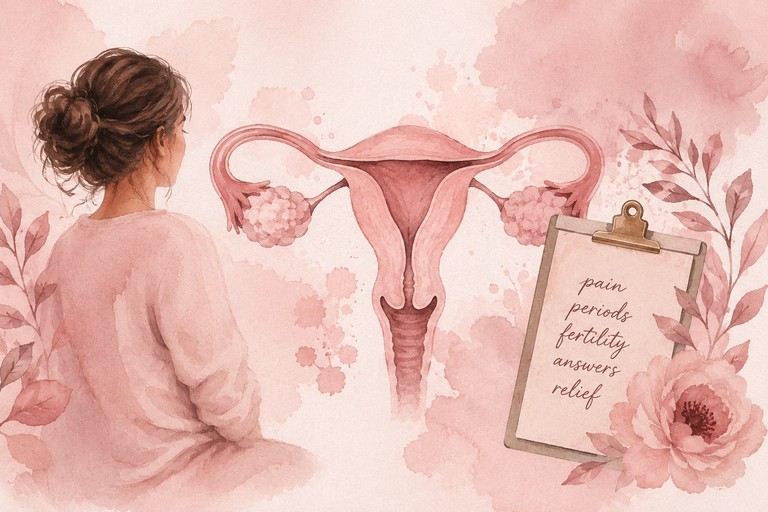
Healthy vaginal tissue relies on estrogen, which helps keep the vaginal lining thick, flexible, and naturally lubricated. When estrogen levels decline, the tissues can become thinner, drier, and more sensitive, which may lead to dryness, irritation, burning, itching, discomfort during sex, and sometimes urinary symptoms as well.
Common Causes of Vaginal Dryness
Perimenopause and Menopause
This is one of the most common causes, as estrogen levels decline and vaginal tissues often become less lubricated and more sensitive. Symptoms may develop gradually over time. Read more in Low Estrogen Symptoms.
Breastfeeding
Many women are surprised to learn that breastfeeding can also cause vaginal dryness, since hormonal changes after childbirth, particularly while breastfeeding, can temporarily lower estrogen levels.
Certain Medications
Some medications can contribute to vaginal dryness. Examples may include:
- Certain antidepressants
- Some allergy medications
- Certain hormonal treatments
If symptoms begin after starting a new medication, it’s worth mentioning this to your healthcare provider.
Cancer Treatments
Treatments such as chemotherapy, radiation therapy, or medications that affect hormone levels can sometimes lead to vaginal dryness.
Surgical Menopause
Women who have had both ovaries removed may experience a more sudden drop in estrogen levels, and symptoms can sometimes appear quickly after surgery.
Certain Autoimmune Conditions
Some autoimmune diseases can affect moisture-producing glands throughout the body, and in these cases, vaginal dryness may occur alongside dry eyes or dry mouth.
Symptoms That Can Occur Alongside Vaginal Dryness
Vaginal dryness isn’t always experienced as “dryness,” and symptoms may include:
- Burning
- Itching
- Irritation
- Pain during sex
- Light bleeding after sex
- Increased urinary urgency
- Frequent urination
- Recurrent urinary symptoms
One thing that often surprises women is that symptoms may feel more like a bladder problem than a vaginal one. In some cases, women seek treatment repeatedly for suspected urinary tract infections when declining estrogen levels may be contributing to the discomfort. Changes in discharge often follow a similar pattern. See What’s Normal Vaginal Discharge?
How to Tell What’s Causing It
Looking at the timing of symptoms can provide useful clues, so ask yourself:
- Am I in perimenopause or menopause?
- Did symptoms begin after childbirth?
- Am I breastfeeding?
- Have I started a new medication?
- Have I had recent cancer treatment?
- Do I also have hot flashes, irregular periods, or other hormonal symptoms?
The answers can often help point toward a likely cause, though it’s also worth remembering that not all vaginal dryness starts during menopause or after a hormonal change. Some women have naturally lower levels of vaginal lubrication throughout much of their lives and may have experienced dryness, discomfort, or sensitivity for as long as they can remember.
This is one reason why the timing of symptoms matters. New symptoms often point toward a specific cause, while lifelong symptoms may have a different explanation.
What You Can Do
The best treatment depends on what’s causing the dryness, and some women find relief with:
- Vaginal moisturizers
- Personal lubricants during sex
- Avoiding irritating products
- Discussing medication side effects with a healthcare provider
For women whose symptoms are related to lower estrogen levels, local vaginal estrogen treatments may sometimes be recommended. These treatments are available in several forms, including creams, tablets, and vaginal inserts. They work mainly in the local tissues and are often used specifically for vaginal and urinary symptoms.
If symptoms are affecting your quality of life, don’t assume it’s simply something you have to live with. If you’re not sure whether it’s time to seek care, see When to See a Gynecologist.
When to See a Doctor
Consider speaking with a healthcare professional if:
- Symptoms persist for more than a few weeks
- Sex becomes painful
- Burning or irritation keeps returning
- You experience bleeding after sex
- Symptoms affect your quality of life
- You’re unsure what’s causing the problem
A healthcare provider can help determine whether vaginal dryness, infection, skin conditions, hormonal changes, or another issue may be responsible.
Conclusion
Vaginal dryness can be uncomfortable, frustrating, and sometimes surprisingly disruptive to everyday life. While declining estrogen levels are often responsible, they aren’t the only possible cause. In my experience, the good news is that effective treatments are available, and you don’t have to simply accept ongoing discomfort as a normal part of aging.