Postpartum Bleeding (Lochia): What’s Normal and What’s Not

Bleeding after birth is expected, whether you had a vaginal delivery or a C-section, so it’s not the bleeding itself that usually worries new moms. It’s not knowing what’s a normal part of healing and what might mean something’s wrong.
This postpartum bleeding is called lochia, and it follows a fairly predictable pattern over about six weeks. Once you know what that pattern looks like, it’s much easier to notice when something is off. It’s just one piece of a bigger picture; see Postpartum Body Changes: What to Expect for the full rundown.
Medical Disclaimer
This article is provided for general educational and informational purposes only and does not constitute medical advice, diagnosis, or treatment. While the content is written with input from a licensed healthcare professional, reading this article does not create a nurse-patient, provider-patient, or any other professional relationship between you and the author or Vida Atlas.
The information here is general in nature and is not a substitute for personalized medical advice from your own doctor or qualified healthcare provider, who can take your full medical history and individual circumstances into account. Always consult your doctor or another qualified healthcare provider with any questions you may have regarding a medical condition, and never disregard professional medical advice or delay seeking it because of something you read on this site.
If you think you may have a medical emergency, call your local emergency number or go to the nearest emergency room immediately. Do not rely on this article for urgent or emergency medical situations.
Vida Atlas and the author make no representations or warranties about the accuracy, completeness, or timeliness of the information provided, and disclaim liability for any actions taken or not taken based on the content of this article.
Quick Answer
Normal postpartum bleeding (lochia) starts heavy and bright red, then gradually lightens in color and amount over about four to six weeks. Bleeding that stays heavy, suddenly increases, or comes with fever, severe pain, or a foul odor is not typical and needs prompt medical attention.
What’s Happening in Your Body?
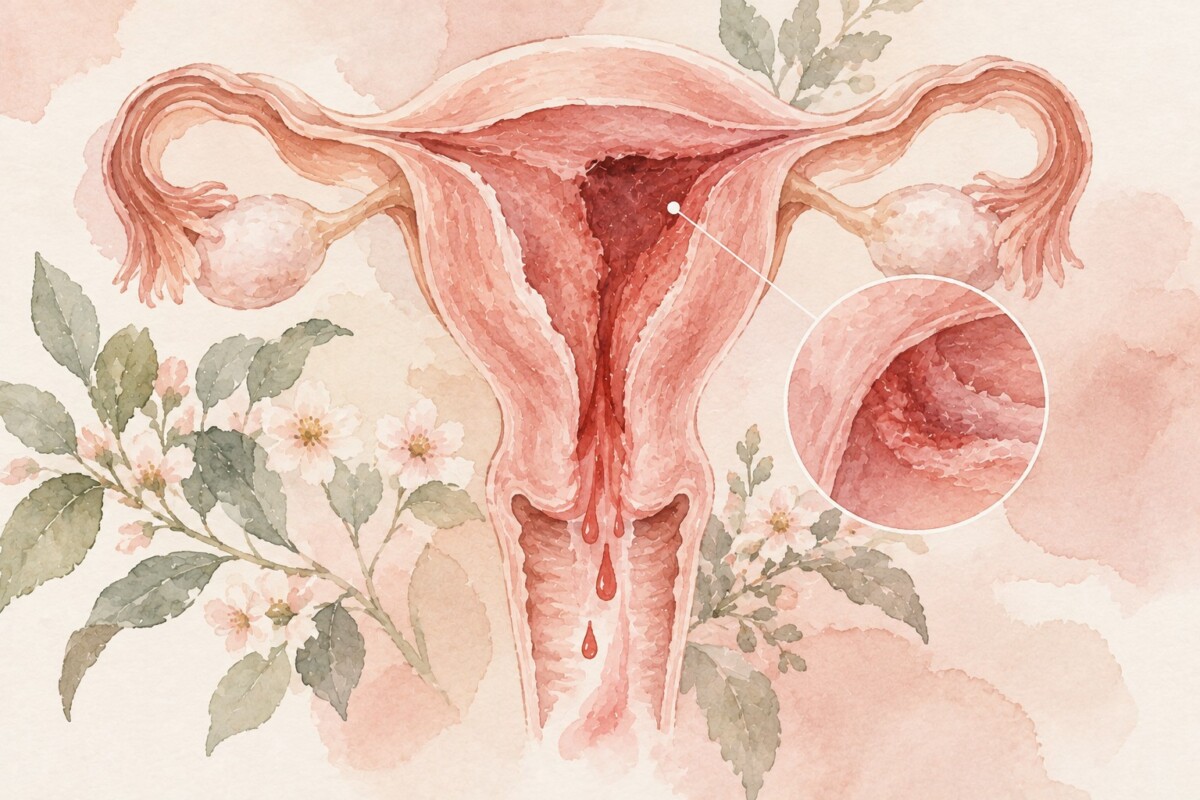
After the placenta separates from your uterus, it leaves behind a wound-like area that needs to heal. Lochia is your body’s way of shedding the blood, tissue, and mucus left over from pregnancy as that area repairs itself, similar to how a wound elsewhere on your body would drain as it heals.
The Three Stages of Lochia
Lochia Rubra (Roughly Days 1 to 4)
This is the heaviest stage, with bright red bleeding and possibly small clots, similar to a heavy period. It’s normal to need to change a pad every few hours during this time.
Lochia Serosa (Roughly Days 4 to 10)
Bleeding lightens and changes from red to pink or brownish, with less blood and more watery discharge. Many women notice a brief increase in red bleeding again around day seven to fourteen, which is usually normal healing, not a setback.
Lochia Alba (Roughly Day 10 to Six Weeks)
Discharge becomes light yellow or white, made up mostly of white blood cells and mucus rather than blood. This final stage can taper off gradually and, for some women, continue in small amounts for the full six weeks of recovery.
Where Does Lochia Actually Come From?
Lochia is not simply bleeding from the place where the placenta was attached. During pregnancy, the lining of the uterus changes dramatically to support the pregnancy, and after birth your uterus has extra blood, fluid, mucus, and tissue to clear away.
The placental site also needs to heal. As the uterus contracts and gradually returns to its pre-pregnancy size, this material is shed over several weeks. That is why lochia changes from bloody discharge to pink or brown and eventually to a much lighter yellowish-white discharge.
What About After a C-Section?
You will still have lochia after a C-section because your uterus still needs to heal and clear blood and tissue after pregnancy. However, the amount may be lighter than after a vaginal birth.
I noticed this difference in maternity care too. Women after a C-section often seemed to have less vaginal bleeding than women after a vaginal birth, although the same general progression of lochia still applies.
Signs Your Bleeding Isn’t Normal
According to ACOG, contact your provider if you notice any of the following:
- Soaking through one pad an hour for more than an hour or two.
- Bleeding that stays bright red and heavy beyond the first week.
- A sudden increase in bleeding after it had already slowed down.
- Clots larger than a golf ball.
- A foul or unusual odor to the discharge.
- Fever, chills, or an unusually tender, painful belly.
- Dizziness, weakness, a racing heart, or feeling like you might faint.
What Can Help
There’s not much you can do to speed up lochia, since it runs on its own healing timeline, but a few things support a smoother recovery:
- Use pads rather than tampons or menstrual cups until your provider clears you, to lower infection risk.
- Rest as much as you can, since being upright and active for long stretches can temporarily increase flow. If you’re also dealing with diastasis recti, ease into movement rather than pushing through it.
- Stay hydrated and keep up with regular meals to support healing.
- Track how your bleeding changes day to day so you’ll notice quickly if something shifts.
When to See a Doctor
Some symptoms need urgent attention rather than a routine call. Seek emergency care right away for any urgent warning signs, including soaking through a pad in under an hour, passing large clots, or feeling faint, dizzy, or like your heart is racing.
Conclusion
In my experience, most new moms worry at some point about whether their bleeding is “too much,” and most of the time, it turns out to be completely normal healing. Knowing the general pattern, heavy and red, then lighter and pink, then minimal and pale, makes it much easier to trust your body and know when something warrants a call.
Sources
- Cleveland Clinic. Lochia (Postpartum Bleeding).
- MedlinePlus (National Library of Medicine). Vaginal Delivery – Discharge.
- American College of Obstetricians and Gynecologists (ACOG). 3 Conditions to Watch for After Childbirth.
- Centers for Disease Control and Prevention (CDC). Urgent Maternal Warning Signs.