What Is Imposter Syndrome?


You get a promotion. You finish something hard. Instead of feeling proud, you feel like you got lucky. Or worse, like people are about to find out you don’t really belong there.
This feeling has a name: imposter syndrome. I know this feeling myself. Some things in my own life come easily to me, but instead of feeling proud, I feel like I haven’t really earned them, or that I still need to prove I deserve them.
Medical Disclaimer
This article is provided for general educational and informational purposes only and does not constitute medical advice, diagnosis, or treatment. While the content is written with input from a licensed healthcare professional, reading this article does not create a nurse-patient, provider-patient, or any other professional relationship between you and the author or Vida Atlas.
The information here is general in nature and is not a substitute for personalized medical advice from your own doctor or qualified healthcare provider, who can take your full medical history and individual circumstances into account. Always consult your doctor or another qualified healthcare provider with any questions you may have regarding a medical condition, and never disregard professional medical advice or delay seeking it because of something you read on this site.
If you think you may have a medical emergency, call your local emergency number or go to the nearest emergency room immediately. Do not rely on this article for urgent or emergency medical situations.
Vida Atlas and the author make no representations or warranties about the accuracy, completeness, or timeliness of the information provided, and disclaim liability for any actions taken or not taken based on the content of this article.
Quick Answer
Imposter syndrome is when you doubt your own success, even when there’s real proof you earned it. It doesn’t mean something is wrong with you. It’s a common feeling that happens to people in every job and at every level, even people who look very successful from the outside.
Why This Can Happen
Imposter syndrome often shows up after a big change: a new job, a promotion, or starting something new. Success starts to feel less like something you earned, and more like something you have to keep proving.
The tricky part is that proof doesn’t always help. You can get praised. You can succeed again and again. And you can still feel like none of it counts. Your mind finds a way to explain it away: luck, timing, or other people just being kind.
What It Can Feel Like
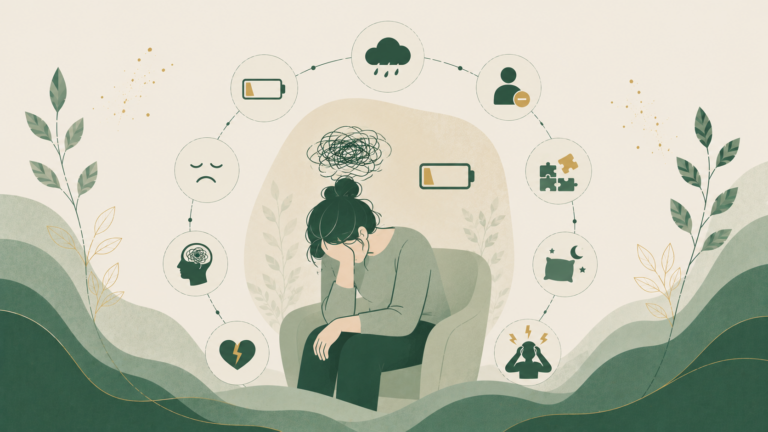
Imposter syndrome doesn’t always look like obvious insecurity. You may notice:
- Brushing off your own achievements.
- Feeling like you got lucky instead of earning it.
- Working extra hard to prove you deserve your spot.
- Worrying that people will find out you’re “not that good.”
- Struggling to accept a compliment.
- Comparing yourself to others all the time.
- Feeling anxious before a review, even when you’re ready.
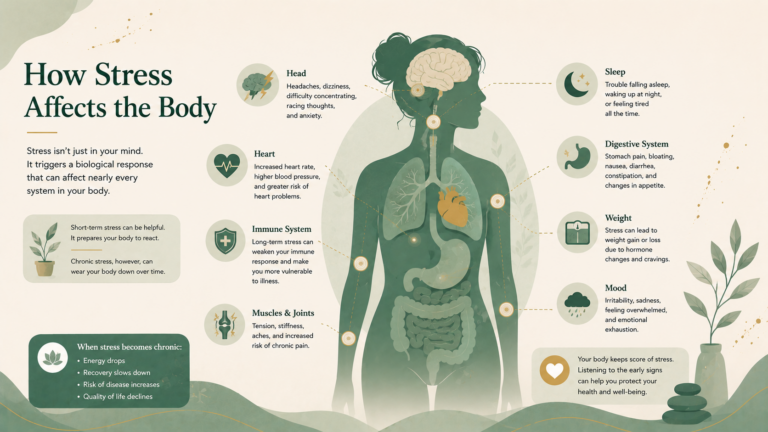
For me, it shows up as a quiet feeling that I have to keep earning things I already have. Even things that come easily to me don’t feel like they count, because they didn’t feel hard enough. It’s taken me time to notice that the effort is still there. I just don’t always see it as effort. Working extra hard to prove yourself can also be an early step toward burnout, especially if it never stops.
Common Triggers or Contributing Factors
New Roles or Responsibilities
Starting a new job or getting more responsibility can bring this feeling on, especially when it feels like a big jump from where you were before. The bigger the jump feels, the harder it can be to trust that you’re actually ready for it.
Being “the First” or “the Only”
If you’re the first in your family to reach a certain level, or the only person like you in the room, it can feel like there’s no room left to make a mistake. There’s an extra kind of pressure in that, like your mistakes would reflect on more than just you.
Perfectionism
When your standards are very high, small mistakes can feel like proof that you don’t belong, instead of just a normal part of learning. It can turn every task into a test you’re quietly afraid of failing.
Comparing Yourself to Others
Social media and work can make other people’s effort invisible, while your own mistakes feel completely obvious. You end up comparing your behind-the-scenes struggle to everyone else’s highlight reel, which is never a fair comparison.
What May Help
Naming the feeling is a good first step. Once you know imposter syndrome is common, and not a personal flaw, it starts to feel smaller. It also helps to write down real feedback, wins, or moments you’re proud of, especially the ones you’d normally brush off.
Reading them back later can help more than you’d expect. Talking about it matters too. I’ve learned that when I finally say this out loud to someone I trust, it usually turns out they’ve felt the exact same way.
When to Reach Out for Support
If imposter syndrome is affecting your sleep, causing a lot of anxiety, or making you turn down chances you actually want, it may help to talk to a therapist or counselor. This matters even more if the feeling doesn’t go away, even after real success.
Conclusion
Imposter syndrome tells a convincing story: that your success was an accident, and your doubts are the truth. In my own experience, it’s almost always the other way around. If you also relate to overthinking things like this, you might like my guide on why am I always overthinking.