Small Home Changes That Can Improve Your Well-Being

Your home has a bigger impact on how you feel than you might realize. The air you breathe, the light in your space, and even how you sit each day can all affect your energy, mood, and comfort.
Many people think improving well-being requires major lifestyle changes or expensive renovations. In reality, small adjustments to your living space can make a noticeable difference without requiring a complete overhaul.
You don’t need to redesign your entire home to feel better in it. In my own home, and in what I’ve suggested to patients, a few thoughtful changes can help your space support your health instead of working against it.
Medical Disclaimer
This article is provided for general educational and informational purposes only and does not constitute medical advice, diagnosis, or treatment. While the content is written with input from a licensed healthcare professional, reading this article does not create a nurse-patient, provider-patient, or any other professional relationship between you and the author or Vida Atlas.
The information here is general in nature and is not a substitute for personalized medical advice from your own doctor or qualified healthcare provider, who can take your full medical history and individual circumstances into account. Always consult your doctor or another qualified healthcare provider with any questions you may have regarding a medical condition, and never disregard professional medical advice or delay seeking it because of something you read on this site.
If you think you may have a medical emergency, call your local emergency number or go to the nearest emergency room immediately. Do not rely on this article for urgent or emergency medical situations.
Vida Atlas and the author make no representations or warranties about the accuracy, completeness, or timeliness of the information provided, and disclaim liability for any actions taken or not taken based on the content of this article.
Key Takeaways
- Small changes to your home environment can meaningfully affect your daily well-being.
- Air quality, light, and comfort all play a role in how you feel throughout the day.
- You don’t need a full renovation to create a healthier living space.
- Focus on the areas of your home where you spend the most time.
- Start with one change and build from there as your space starts to feel better.
Why Your Home Environment Affects Your Well-Being?
Most people spend the majority of their time indoors, whether at home or work. Because of this, small details in your environment, like lighting, air quality, and furniture, can add up to a big impact on how you feel.
Poor air quality can leave you feeling tired or foggy. Uncomfortable furniture can lead to aches that build over time. Even something as simple as clutter can quietly increase stress without you realizing why you feel on edge.
The good news is that small changes to your space can help counter these effects. You don’t need to change everything at once. In my own experience, even a few thoughtful updates can make your home feel more supportive of your health.
1. Improve Airflow in Frequently Used Rooms
Stale air can make a room feel stuffy and contribute to feeling tired or sluggish. Opening windows when possible, or improving airflow with a fan, can help keep the air in your home feeling fresher.
2. Add a Few Indoor Plants
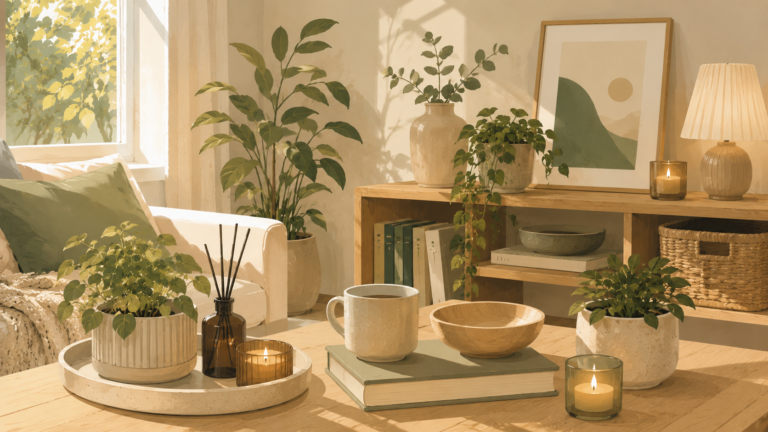
Indoor plants can make a space feel more calming and can help improve air quality in your home. Choose low-maintenance varieties if you’re new to caring for plants, so they’re easy to keep alive.
3. Adjust Your Lighting
Harsh overhead lighting can feel draining, especially in the evening. Try adding softer lamps or adjusting your lighting throughout the day to better match natural light patterns.
4. Reduce Clutter in Shared Spaces
Clutter can quietly add to feelings of stress, even when you’re not actively thinking about it. Clearing shared spaces like your living room or kitchen counter can make your home feel calmer almost immediately.
5. Create a Comfortable Seating Area
Having at least one comfortable, supportive place to sit can make a real difference, whether you’re relaxing, reading, or working. Uncomfortable furniture can add unnecessary strain to your body over time.
6. Bring in Natural Light When Possible
Natural light can improve mood and help regulate your sleep patterns. Try opening curtains during the day or rearranging furniture to make the most of the light your home already receives.
7. Set Up a Calm Corner
Having one small space dedicated to rest, quiet time, or relaxation can give your mind a place to reset. It doesn’t need to be large. Even a comfortable chair with good lighting can work well.
8. Keep Your Bedroom Cool and Dark
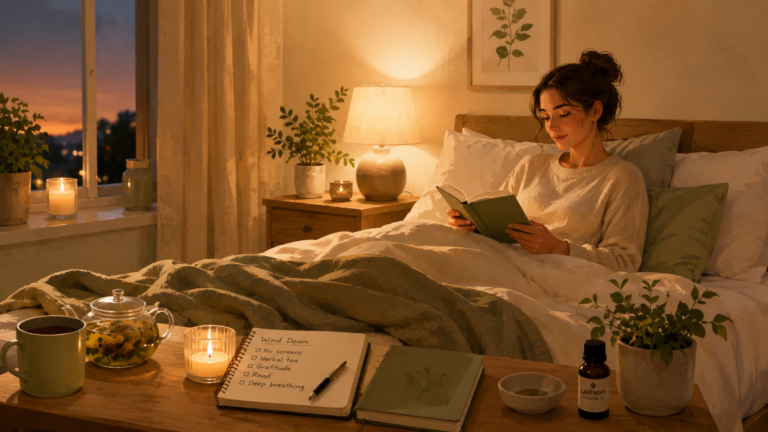
Temperature and light both play a role in sleep quality. A cooler, darker bedroom can make it easier to fall asleep and stay asleep throughout the night.
9. Improve Your Sitting and Standing Setup
If you spend a lot of time sitting, small ergonomic changes can reduce strain on your back and neck. Supportive seating or an adjustable setup can make a noticeable difference in daily comfort.
Products That Can Help Improve Your Home Environment
You don’t need to renovate your home to improve your well-being. Still, a few thoughtful products can help remove small, everyday sources of discomfort. Instead of trying to transform your entire home at once, think about which rooms you spend the most time in, and start making small improvements there first.
Air Purifiers
An air purifier can help reduce dust, allergens, and other particles that may affect how you feel indoors, especially in bedrooms or living spaces where you spend a lot of time. Choose a size that matches your room, and look for a model with a filter that’s easy to replace. Quieter models are usually more practical for bedrooms.
Indoor Plants
Indoor plants can add a calming element to your home while also supporting better air quality in the room where they’re placed. If you’re new to plant care, start with low-maintenance varieties that don’t require much light or frequent watering. Success with a few easy plants can make the habit easier to stick with.
Ergonomic Chairs
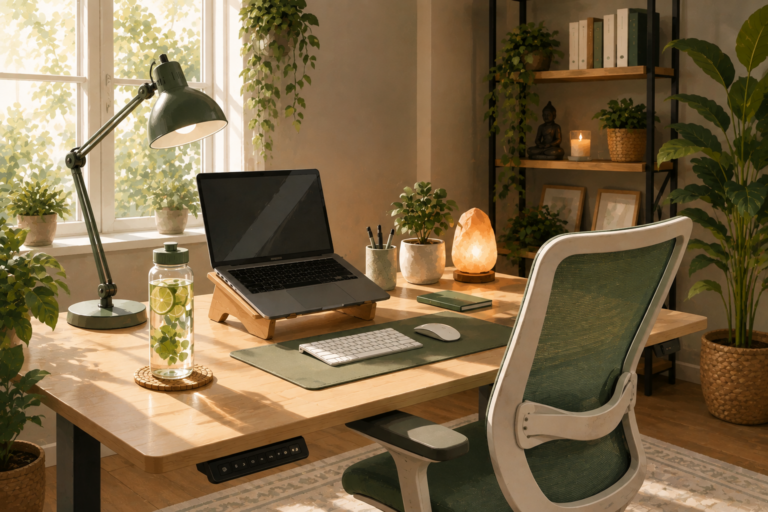
An ergonomic chair can make a real difference if you spend long periods sitting, whether for work or relaxation. Look for adjustable height, proper back support, and comfortable material, since a chair that fits your body well can reduce strain on your back and shoulders throughout the day.
Standing Desks
A standing desk allows you to alternate between sitting and standing throughout the day, which can help reduce the strain of long periods of stillness. Adjustable models let you customize the height for both sitting and standing, making it easier to switch between positions comfortably.
Desk Lamps
A good desk lamp can reduce eye strain, especially during evening hours or in rooms with limited natural light. Look for adjustable brightness and warm lighting options, which tend to feel gentler on the eyes than harsh, cool-toned light.
Common Mistakes to Avoid
Trying to Redesign Your Entire Home at Once
Attempting to overhaul every room at the same time often leads to feeling overwhelmed rather than motivated. Focus on one room or one change first, and once it feels natural, move on to the next area of your home.
Ignoring the Rooms You Use Most
It’s easy to focus on rooms that feel most in need of a change while overlooking the spaces you actually spend the most time in. Prioritize improvements in the rooms where you spend the majority of your day, since that’s where changes will have the biggest impact.
Choosing Style Over Comfort
A beautifully decorated space isn’t helpful if the furniture is uncomfortable or impractical to use. Before buying anything, consider how it will actually feel to use every day, not just how it looks in the room.
Expecting Instant Results
Small home changes can make a real difference, but the effects often build gradually rather than appearing overnight. Give new changes a few weeks before deciding whether they’re making a difference in how you feel.
Try This This Week
Instead of changing your entire home at once, choose just one small improvement to focus on this week. You could:
- Open your windows for fresh air for at least ten minutes.
- Clear clutter from one shared space in your home.
- Add one low-maintenance plant to a room you spend time in.
- Adjust the lighting in a room you use in the evening.
- Set up one comfortable spot to sit and relax.
At the end of the week, ask yourself one simple question:
Does this space feel a little more comfortable than before?
If the answer is yes, you’ve found a change worth keeping.
FAQ:
Yes. Details like air quality, lighting, and comfort can add up over time and meaningfully affect how you feel day to day.
Start with the room where you spend the most time, since improvements there will have the biggest everyday impact.
They can be helpful, especially in bedrooms or living areas. Choose a size that matches your room for the best results.
Not necessarily. An ergonomic chair and mindful sitting habits can also help, though a standing desk offers more flexibility.
It varies, but many people notice small improvements within a few weeks of consistent changes.
Final Thoughts
Improving your well-being doesn’t require a complete home makeover. Often, it’s the small, consistent changes that make the biggest difference over time. Instead of trying to transform your entire space overnight, focus on one area that bothers you most and start there.
As small improvements add up, your home can begin to feel like a place that truly supports you. In my own experience, the goal isn’t a perfect space. It’s creating an environment that helps you feel a little better, one small change at a time.