Stress and Your Cycle

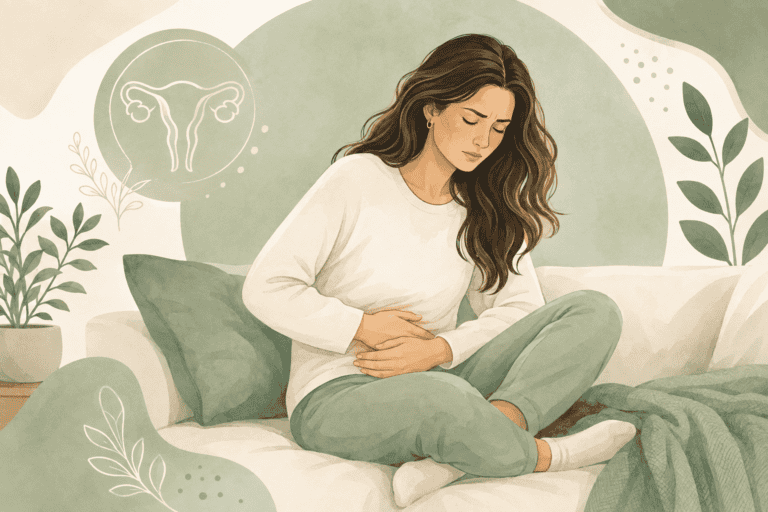
Have you ever gone through a stressful period in life and then noticed your period was suddenly late, early, heavier, lighter, or missing altogether?
It can be confusing when your cycle changes without warning. Many women immediately wonder if something is wrong with their hormones or reproductive health. In my own practice, this is often the first question patients ask, before they’ve even connected it to the stressful month they just described to me.
The truth is that your menstrual cycle doesn’t operate separately from the rest of your body. When you’re under significant stress, your cycle may respond too.
Medical Disclaimer
This article is provided for general educational and informational purposes only and does not constitute medical advice, diagnosis, or treatment. While the content is written with input from a licensed healthcare professional, reading this article does not create a nurse-patient, provider-patient, or any other professional relationship between you and the author or Vida Atlas.
The information here is general in nature and is not a substitute for personalized medical advice from your own doctor or qualified healthcare provider, who can take your full medical history and individual circumstances into account. Always consult your doctor or another qualified healthcare provider with any questions you may have regarding a medical condition, and never disregard professional medical advice or delay seeking it because of something you read on this site.
If you think you may have a medical emergency, call your local emergency number or go to the nearest emergency room immediately. Do not rely on this article for urgent or emergency medical situations.
Vida Atlas and the author make no representations or warranties about the accuracy, completeness, or timeliness of the information provided, and disclaim liability for any actions taken or not taken based on the content of this article.
Quick Answer
Yes, stress can affect your menstrual cycle. In some cases, stress may contribute to late periods, missed periods, irregular cycles, heavier bleeding, lighter bleeding, or changes in PMS symptoms. The effects vary from person to person.
What’s Actually Happening in Your Body?
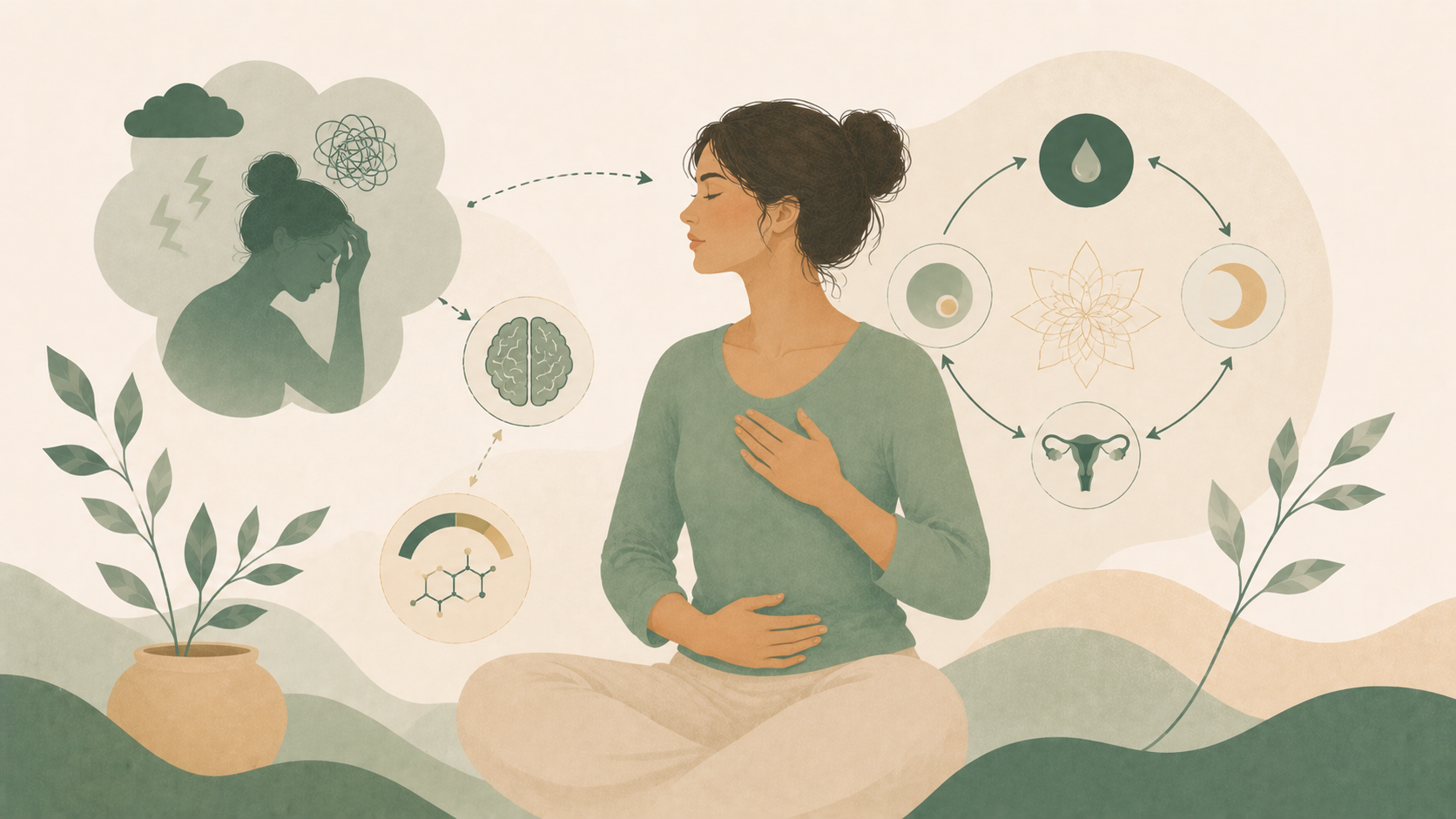
Your brain plays an important role in regulating your menstrual cycle, and when you’re under stress, the body releases hormones designed to help you cope with challenges.
If stress becomes intense or prolonged, these stress hormones can sometimes affect the signals between the brain and the ovaries, and when those signals change, ovulation may happen later than usual or sometimes not occur during that cycle at all. As a result, your period may arrive earlier, later, or behave differently than expected.
How Stress Can Affect Your Cycle
Late Periods
One of the most common effects of stress is a delayed period: if ovulation happens later than usual, your period will usually arrive later as well.
Missed Periods
In some cases, significant stress may cause a cycle to be skipped entirely, which is more likely when stress is severe or ongoing.
Irregular Cycles
Some women notice that their cycle becomes less predictable, with periods coming at different times each month rather than following their usual pattern.
Changes in Flow
Stress can sometimes be associated with heavier or lighter bleeding than usual. The exact reason isn’t always clear, but hormone fluctuations may contribute.
Worse PMS Symptoms
Stress and PMS can sometimes amplify each other, and you may notice more irritability, anxiety, headaches, sleep problems, or mood changes during stressful periods of life.
What Types of Stress Can Affect Your Cycle?
Stress isn’t limited to emotional stress, and the body can respond to many different types of stress, including:
Emotional Stress
Examples include:
- Relationship difficulties
- Work pressure
- Financial worries
- Family challenges
- Major life changes
Physical Stress
Physical stress may include:
- Illness
- Surgery
- Injury
- Lack of sleep
- Excessive exercise
Nutritional Stress
Very restrictive dieting, rapid weight loss, or inadequate calorie intake can also place stress on the body.
How to Tell If Stress Is Affecting Your Cycle
Timing often provides the biggest clue, so ask yourself:
- Did cycle changes start during a stressful period?
- Have your sleep patterns changed?
- Have you been feeling more anxious or overwhelmed?
- Has your routine changed recently?
- Have you been sick, travelling, or exercising more intensely than usual?
One thing that often becomes apparent is that many women can identify a major life event around the time their cycle first changed. Stress-related exhaustion can also show up as fatigue before your period. See Why Am I So Tired Before My Period? Tracking both stress levels and menstrual cycles can help reveal patterns.
What You Can Do
The first step is often recognizing that stress may be part of the picture, and many women become frustrated when their cycle changes, which can create even more stress and worry.
You may find it helpful to:
- Track your cycle
- Track stress levels alongside cycle changes
- Prioritize sleep
- Build regular meals into your day
- Include movement that feels manageable rather than exhausting
- Make time for activities that help you relax
If stress is contributing to cycle changes, the menstrual cycle often becomes more predictable again once the body has time to recover.
When to See a Doctor
Consider speaking with a healthcare professional if:
- Periods stop for several months
- Pregnancy is possible
- Bleeding becomes very heavy
- You experience severe pelvic pain
- Cycle changes continue even after stress levels improve
- You’re concerned about persistent irregular periods
Stress is one possible explanation, but it isn’t the only one. A healthcare provider can help rule out other causes such as pregnancy, thyroid conditions, PCOS, perimenopause, or other hormone-related issues.
Conclusion
Stress can affect much more than your mood. It can also influence the hormones involved in your menstrual cycle. If your periods have changed during a particularly stressful time, your body may simply be responding to what it’s been going through. For a broader look at unpredictable cycles, see Irregular Periods Explained.
In my experience, paying attention to patterns and seeking medical advice when needed can help you better understand what’s happening. For a full overview of common period symptoms, see my complete guide to period symptoms.