Alcohol-Free Socializing: Ideas That Actually Work

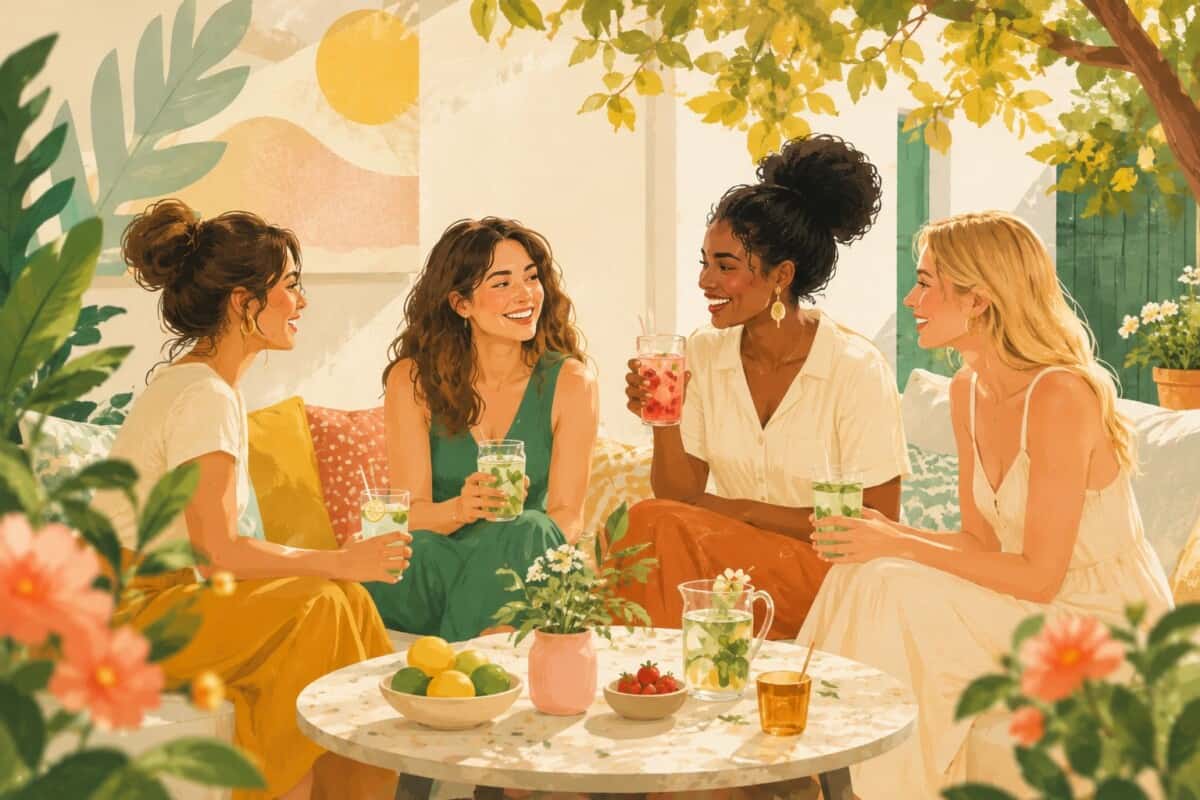
More people are cutting back on drinking, whether that means skipping it entirely or just drinking a lot less than they used to. But the social side can feel harder than the actual not-drinking part. Parties, dinners, and after-work hangouts still tend to be built around a drink in your hand.
The reasons people cut back are different for everyone. For some, it’s a health problem that makes it necessary. For others, it’s simply wanting to feel better and improve their day-to-day life.
I’ve seen this play out among friends and people close to me more than once, and the part that usually holds someone back isn’t the drinking itself, it’s the social side of it. Alcohol is one way to relax and unwind, but it’s far from the only one.
Medical Disclaimer
This article is provided for general educational and informational purposes only and does not constitute medical advice, diagnosis, or treatment. While the content is written with input from a licensed healthcare professional, reading this article does not create a nurse-patient, provider-patient, or any other professional relationship between you and the author or Vida Atlas.
The information here is general in nature and is not a substitute for personalized medical advice from your own doctor or qualified healthcare provider, who can take your full medical history and individual circumstances into account. Always consult your doctor or another qualified healthcare provider with any questions you may have regarding a medical condition, and never disregard professional medical advice or delay seeking it because of something you read on this site.
If you think you may have a medical emergency, call your local emergency number or go to the nearest emergency room immediately. Do not rely on this article for urgent or emergency medical situations.
Vida Atlas and the author make no representations or warranties about the accuracy, completeness, or timeliness of the information provided, and disclaim liability for any actions taken or not taken based on the content of this article.
Key Takeaways
- Cutting back on alcohol doesn’t mean cutting yourself out of social plans.
- Having a go-to order ready removes most of the awkwardness on the spot.
- You don’t owe anyone a detailed explanation for not drinking.
- A few simple products can make alcohol-free socializing feel less like a compromise.
- Start with one lower-pressure event, not the biggest party on your calendar.
Why It’s Worth Trying
Most people who cut back on alcohol are not doing it because of one bad night. Research on the “sober curious” trend has found that health and wellness are common reasons. People may want to sleep better, feel clearer the next morning, or simply have more control over when and why they drink.
There are good reasons to rethink alcohol. It can affect sleep quality and leave you feeling tired or foggy the next day. Health guidance also makes it clear that drinking alcohol carries health risks, including an increased risk of certain cancers. For some people, it can also become an easy way to manage social nerves without really noticing the habit forming.
You do not have to stop drinking forever to see whether cutting back feels better for you. Even a short break can help you notice when you usually reach for alcohol, how you feel without it, and whether you actually miss it. Having a few ways to socialize without drinking can make that experiment much easier.
Ideas That Actually Work
Not drinking can feel different depending on where you are. Drinks with coworkers, a wedding, and dinner with family can each bring their own challenges. But a few simple strategies can make alcohol-free socializing easier in almost any setting.
Have a Go-To Order Ready
Deciding what you’ll order before you arrive removes the awkward pause at the bar. Soda water with lime, a nonalcoholic beer, or a specific mocktail all work fine, the point is having an answer ready instead of improvising in the moment.
Hold a Real Drink, Even a Non-Alcoholic One
Having something in a proper glass, instead of just a cup of water, tends to cut down on questions and offers to grab you “a real one.” It sounds small, but it makes a real difference in how often the topic even comes up. Most people are simply reacting to what’s in your hand, not actually paying attention to what’s in the glass.
Keep Your Answer Short and Casual
“Not tonight” or “I’m taking a break” is a complete answer on its own. You don’t owe anyone a full explanation, and most people drop the subject faster than you’d expect once you don’t offer one. Saying less here, not more, is usually what actually ends the conversation.
Suggest Plans That Aren’t Built Around Drinks
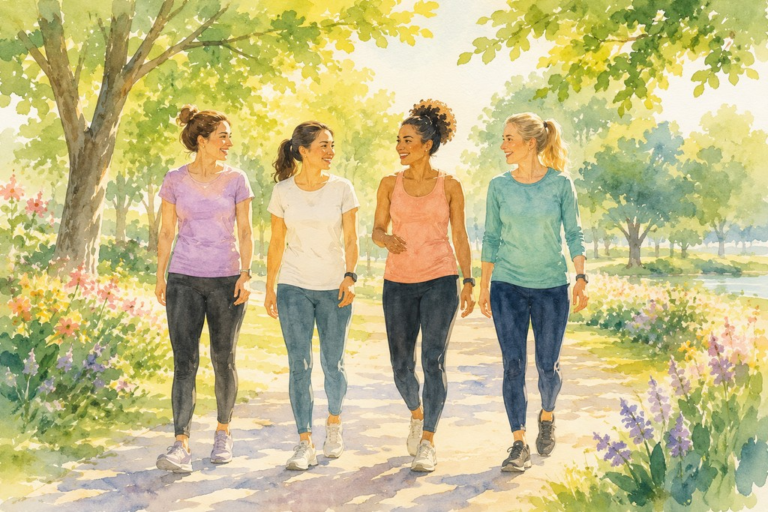
A walk, a coffee catch-up, a game night, or a daytime activity takes the pressure off entirely, since there’s no drink-focused moment to navigate at all. These plans also tend to be easier to remember the next morning, which is its own kind of win.
Bring Your Own Non-Alcoholic Option
If you’re not sure what will be available, bringing something you actually enjoy means you’re never stuck with only water or soda. It also gives you something to offer other guests, which can turn into a normal, easy conversation instead of an awkward one.
Host Something Yourself
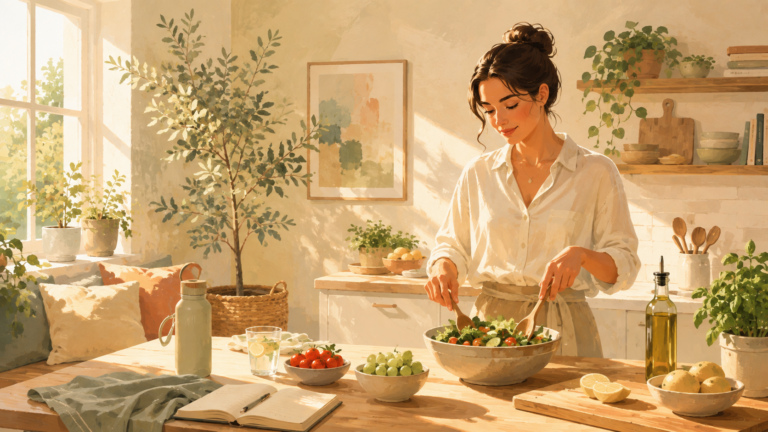
Hosting puts you in control of what’s served without having to explain anything to anyone. A dinner, a movie night, or a casual get-together with good food meets the same social need a bar night does, just on your own terms.
Products That Can Help
None of this requires special products, and plain water works fine if that’s what you’d rather reach for. Still, a few simple products can make alcohol-free socializing feel less like a compromise and more like an actual choice, especially in the first few weeks while it still feels new.
The goal isn’t to buy everything at once, just to have one or two options on hand that you genuinely enjoy and would actually reach for again.
Non-Alcoholic Spirits
Alcohol-free versions of gin, whiskey, and aperitifs have gotten genuinely good in the last few years. Mixed into a proper cocktail, they hold up at a nice dinner or a party without feeling like a consolation prize.
A Sparkling Water Maker
Having good sparkling water on hand at home makes it easy to put together something that feels like an actual drink, fruit, bitters, a splash of juice, without any real planning required.
Nonalcoholic Beer or Wine
Nonalcoholic beer and wine have improved a lot in recent years. Having a bottle you genuinely like on hand means you’re never stuck choosing between plain water and nothing at all when you’re hosting or attending a dinner.
Most “nonalcoholic” versions still contain a small trace of alcohol, usually under 0.5%, so if you need to avoid alcohol completely, check the label for a true 0.0% option.
A Mocktail Recipe Kit or Book
A simple mocktail book or kit takes the guesswork out of making something that actually tastes good, rather than just mixing juice and soda and hoping for the best.
Common Mistakes to Avoid
Feeling Like You Owe People a Full Explanation
Launching into a long explanation for why you’re not drinking usually invites more questions, not fewer, and can turn into a conversation you never wanted to have in the first place. A short, easy answer tends to close the topic much faster than a detailed one does.
Cutting Yourself Off From Social Life Entirely
Avoiding every event where alcohol will be around can start to feel isolating fast, and pulling away from people over time can affect your mood more than the drinking itself ever did. It’s usually more sustainable to find a way to feel comfortable at these events than to opt out of your social life altogether.
Assuming Every Nonalcoholic Drink Is Healthy
Many mocktails and sodas are loaded with sugar, and a nonalcoholic drink isn’t automatically a healthy one. Sparkling water, fresh fruit, and lighter mixers are worth reaching for more often than the sweetest option on the menu.
Try This This Week
Instead of trying to navigate every social event alcohol-free right away, choose just one lower-pressure event to try it at. You could:
- Pick one upcoming event and decide your go-to order ahead of time.
- Try one nonalcoholic beer, wine, or spirit you haven’t had before.
- Suggest a coffee or walk instead of drinks with one friend this week.
- Practice a short, casual response for when someone asks why you’re not drinking.
At the end of the week, ask yourself one simple question:
Did it feel easier than you expected?
If the answer is yes, you’ve found an approach worth repeating.
FAQ:
Reasons vary a lot from person to person. For some it’s a health issue that makes it necessary, for others it’s wanting better sleep, more energy, or simply feeling more in control of their evenings. There isn’t one right reason to try it.
Using alcohol to unwind is extremely common, and on its own it isn’t automatically a problem. It’s worth noticing, though, if it becomes the only way you know how to relax, since building a few other ways to decompress gives you more options, not fewer.
Not automatically. Some nonalcoholic beers, wines, and mocktails are high in sugar, so it’s worth checking labels the same way you would with any other drink.
No. Many people who try alcohol-free socializing are cutting back rather than quitting entirely. Even occasional alcohol-free events can help you notice how drinking fits into your routine.
These tips are for people who choose to drink less, not for managing alcohol dependence. If stopping causes shakiness, anxiety, or trouble sleeping, talk to a doctor. Stopping suddenly can be risky if you are physically dependent on alcohol.
Not always. Most products labeled “nonalcoholic” are allowed to contain up to 0.5% alcohol by volume. If you need to avoid alcohol completely, for example during pregnancy or while in recovery, look specifically for a product labeled 0.0%.
Final Thoughts
Cutting back on alcohol doesn’t mean cutting yourself off from the people around you. Staying connected to friends and social life matters for how you feel, so the goal here is finding a way to stay in the room, not step out of your own life.
Alcohol is just one of many ways people relax and connect with each other, not the only one. Start with one lower-pressure gathering, try one idea from this list, and see how it actually feels before deciding what works for you long term.