
9 Ways to Feel Better After a Long Flight

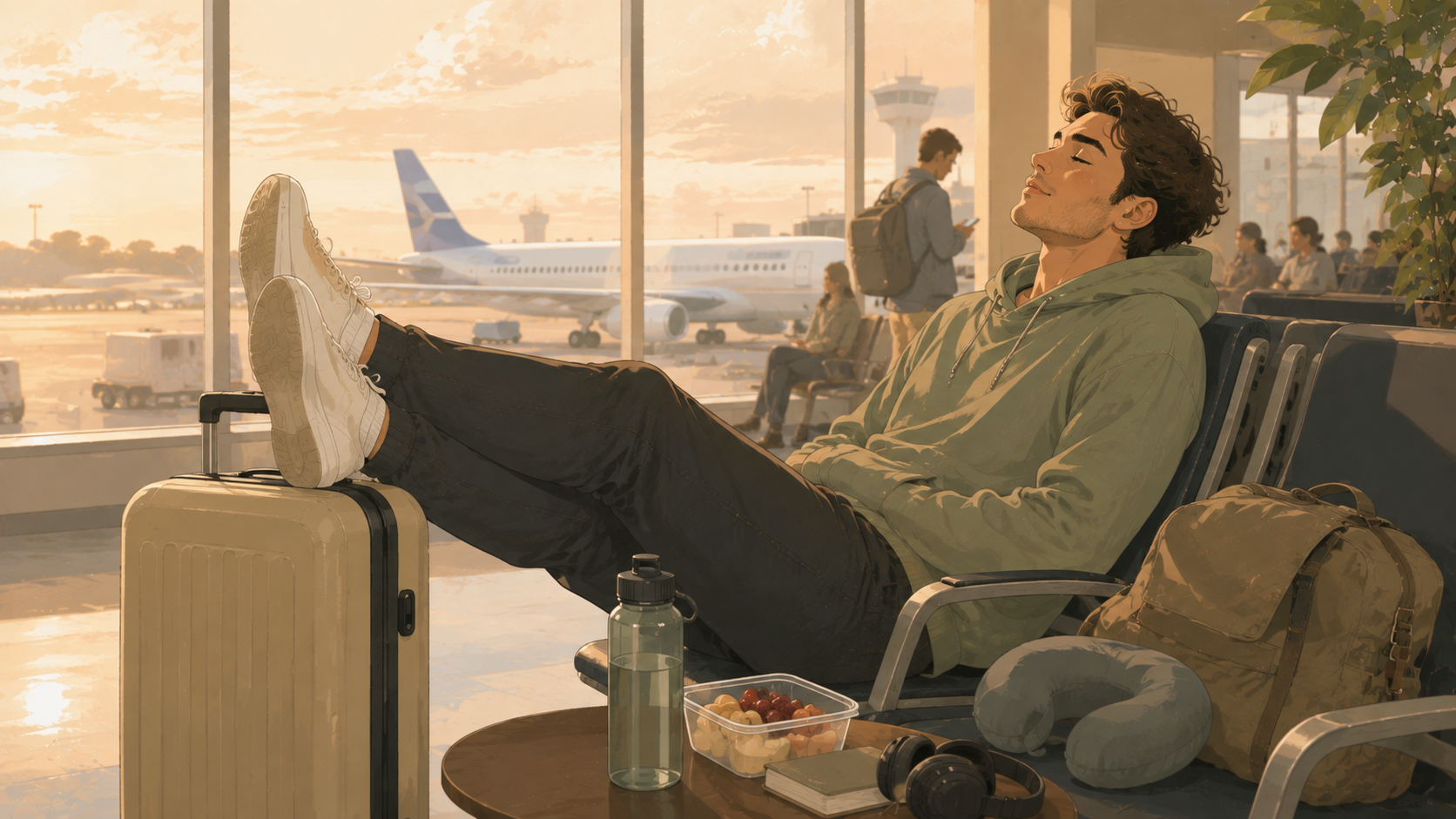
Stepping off a long flight can leave you feeling stiff, foggy, and completely out of sync with wherever you’ve landed. Between recycled cabin air, cramped seating, and disrupted sleep, it’s no surprise your body needs a little help catching up.
The good news is that feeling better after a long flight doesn’t require days of recovery. A few simple steps, taken either during the flight or shortly after landing, can make a real difference in how quickly you bounce back.
You don’t need a complicated recovery routine. From my own travels, and from what I recommend to patients before a long trip, it usually comes down to a handful of small habits that help your body settle back into itself after hours in the air.
Medical Disclaimer
This article is provided for general educational and informational purposes only and does not constitute medical advice, diagnosis, or treatment. While the content is written with input from a licensed healthcare professional, reading this article does not create a nurse-patient, provider-patient, or any other professional relationship between you and the author or Vida Atlas.
The information here is general in nature and is not a substitute for personalized medical advice from your own doctor or qualified healthcare provider, who can take your full medical history and individual circumstances into account. Always consult your doctor or another qualified healthcare provider with any questions you may have regarding a medical condition, and never disregard professional medical advice or delay seeking it because of something you read on this site.
If you think you may have a medical emergency, call your local emergency number or go to the nearest emergency room immediately. Do not rely on this article for urgent or emergency medical situations.
Vida Atlas and the author make no representations or warranties about the accuracy, completeness, or timeliness of the information provided, and disclaim liability for any actions taken or not taken based on the content of this article.
Key Takeaways
- Long flights affect your body through dehydration, stillness, and disrupted sleep, not just tiredness.
- Small habits during the flight can reduce how rough you feel after landing.
- The right gear, like compression socks and a neck pillow, can meaningfully improve flight comfort.
- Movement and hydration after landing help your body recover faster than rest alone.
- Give yourself permission to ease into your first day instead of jumping straight into a packed schedule.
Why Long Flights Take a Toll on Your Body
Sitting still for hours in a pressurized cabin isn’t something your body is used to. Low humidity, changes in cabin pressure, and long periods without moving all add up, even if the flight itself felt uneventful. Add in a shift across time zones, and your body’s internal clock has to catch up on top of everything else.
This is why you can feel “flight tired” in a way that’s different from a normal busy day, since it’s not just about missing sleep. As a nurse, I explain it to patients this way: understanding what’s actually happening to your body makes it easier to see why small, targeted habits, rather than just “getting some rest,” are what actually help you recover.
1. Stay Hydrated From Takeoff to Landing
Cabin air is extremely dry, which can leave you dehydrated even if you don’t feel thirsty. Sipping water regularly during the flight, rather than only when you remember, makes a noticeable difference in how you feel after landing.
2. Keep Your Circulation Moving
Sitting still for long periods can affect circulation, especially in your legs. Flexing your ankles and rotating them every so often helps keep blood flowing, which can reduce swelling and that heavy, stiff feeling after you land.
3. Get Up and Move When You Can
A short walk down the aisle every hour or two, or some simple stretches at your seat, helps counter the effects of sitting still for so long. Even small movement makes a difference over a long flight.
4. Support Your Neck for Better Rest
Getting real rest instead of just dozing is much easier when your neck and head are properly supported. Try adjusting your seat recline if you can, or resting your head against the window or a rolled-up sweater for support.
5. Block Out Light to Actually Rest
Cabin lighting and unpredictable schedules can make it hard to sleep when you actually have the chance. Closing your eyes for extended stretches and dimming your phone or tablet screen can help your body settle into real rest.
6. Give Your Skin Some Moisture
Dry cabin air affects your skin as much as it affects the rest of your body. Taking a moment to moisturize partway through the flight can help your skin feel less tight and dry by the time you land.
7. Get Outside as Soon as You Can After Landing
Natural light helps reset your internal clock, especially if you’ve crossed time zones. A short walk outside after landing can help your body adjust faster than staying indoors.
8. Eat a Balanced Meal Instead of Skipping or Overdoing It
It’s tempting to either skip meals during travel or overdo it once you land. A simple, balanced meal after a long flight helps stabilize your energy instead of leaving you sluggish or overly full.
9. Give Yourself Permission to Ease Into the Day
Trying to jump straight into a packed schedule right after landing can leave you more exhausted than the flight itself. A slower first day, when possible, gives your body time to catch up.
Products That Can Help
You don’t need a suitcase full of recovery products to feel better after a long flight. A few well-chosen items can cover most of what actually helps, and the goal is to pick things that solve a specific problem, not to buy every travel comfort product available.
Flight and Hotel Booking
How you book your flight and hotel can affect how rough your recovery feels. A flight that lands earlier in the day, or a hotel that allows early check-in, can make a real difference after a long journey. When possible, check whether your hotel offers early check-in or a place to freshen up if your room isn’t ready yet, especially after an overnight flight.
Compression Socks
Compression socks are one of the simplest ways to reduce the stiff, swollen feeling that often comes with long periods of sitting. Look for a pair with graduated compression, meaning they’re tighter at the ankle and looser further up the leg. Choose a size based on your actual measurements rather than guessing.
Neck Pillows and Sleep Masks
A supportive neck pillow and a sleep mask work together to give you a better shot at real rest during a long flight. Look for a pillow that’s compact enough to clip onto your bag, and a mask that fully blocks light without feeling too tight against your face.
Reusable Water Bottles
An empty reusable bottle can go through security with you, then get filled up once you’re past the gate. This makes it much easier to stay hydrated during the flight. Choose one that’s easy to sip from one-handed, since you’ll likely be using it while your tray table is down.
Travel-Size Skincare
A small moisturizer or hydrating mist can help offset how dry cabin air makes your skin feel, especially on longer flights. Look for travel-size bottles that meet carry-on liquid limits, so you can keep them in your bag without any issues at security.
Airport Transfers
Arranging a transfer ahead of time means one less decision to make when you’re tired and just want to get to your hotel. Booking in advance, especially for an arrival after a long or overnight flight, removes the stress of finding transportation while you’re running on very little sleep.
Common Mistakes to Avoid
Skipping Water Because You Don’t Feel Thirsty
Cabin air is so dry that your body’s usual thirst signals don’t always keep up with how dehydrated you’re actually becoming. Drink water on a regular schedule during the flight instead of waiting until you feel thirsty enough to notice.
Sitting Still for the Entire Flight
It’s easy to stay in your seat for an entire long flight, especially if you’re comfortable or trying not to disturb other passengers. A short walk or some simple stretches every hour or two can meaningfully reduce stiffness and swelling by the time you land.
Packing a Full Schedule for Your First Day
It’s tempting to make the most of your trip by planning a packed first day right after landing. Building in a slower start gives your body time to catch up, which often means you’ll actually enjoy the rest of your trip more.
Ignoring Jet Lag Instead of Planning Around It
Assuming jet lag will just “go away” on its own can leave you feeling off for longer than necessary. Getting outside in natural light, adjusting your sleep schedule gradually, and staying hydrated all help your body adjust faster.
Before Your Next Long Flight
Instead of trying to fix everything about how you feel after flying, choose just one or two habits to try on your next long flight. You could:
- Pack compression socks and a supportive neck pillow.
- Bring an empty water bottle to fill after security.
- Set a reminder to get up and stretch every hour or two during the flight.
- Book a hotel with early check-in if you’re landing in the morning.
- Plan a slower first day instead of a packed schedule.
After your next flight, ask yourself one simple question:
Did these habits help me feel more like myself, faster?
If the answer is yes, they’re worth packing on every long flight from now on.
FAQ:
Cabin pressure, dry air, and long periods of stillness all add extra strain that a car ride doesn’t usually involve. Combined with time zone changes, this is why flights can leave you feeling more depleted than the hours alone would suggest.
Yes, for many travelers they help reduce swelling and that heavy, stiff feeling in the legs that comes from sitting still for long periods, especially on flights over a few hours.
Getting outside in natural light as soon as possible after landing, staying hydrated, and easing into the local schedule instead of fighting it all help your body adjust faster.
It depends on your destination’s time zone. Try to sleep if it will be nighttime when you land, and stay awake if it will be daytime, to help your body adjust more quickly once you arrive.
Staying hydrated tends to have the biggest overall impact, since dehydration affects your energy, skin, and how foggy or tired you feel once you land.
Final Thoughts
Feeling worn out after a long flight is common, but it doesn’t have to last the entire first day of your trip. A few simple habits can help your body recover much faster than just waiting it out.
None of these steps require special effort or expensive gear. In my own experience, they’re small, practical habits that fit easily into a flight you’re already taking. The next time you have a long flight ahead of you, pick one or two of these habits to try.