UTIs: Causes, Symptoms, and Prevention

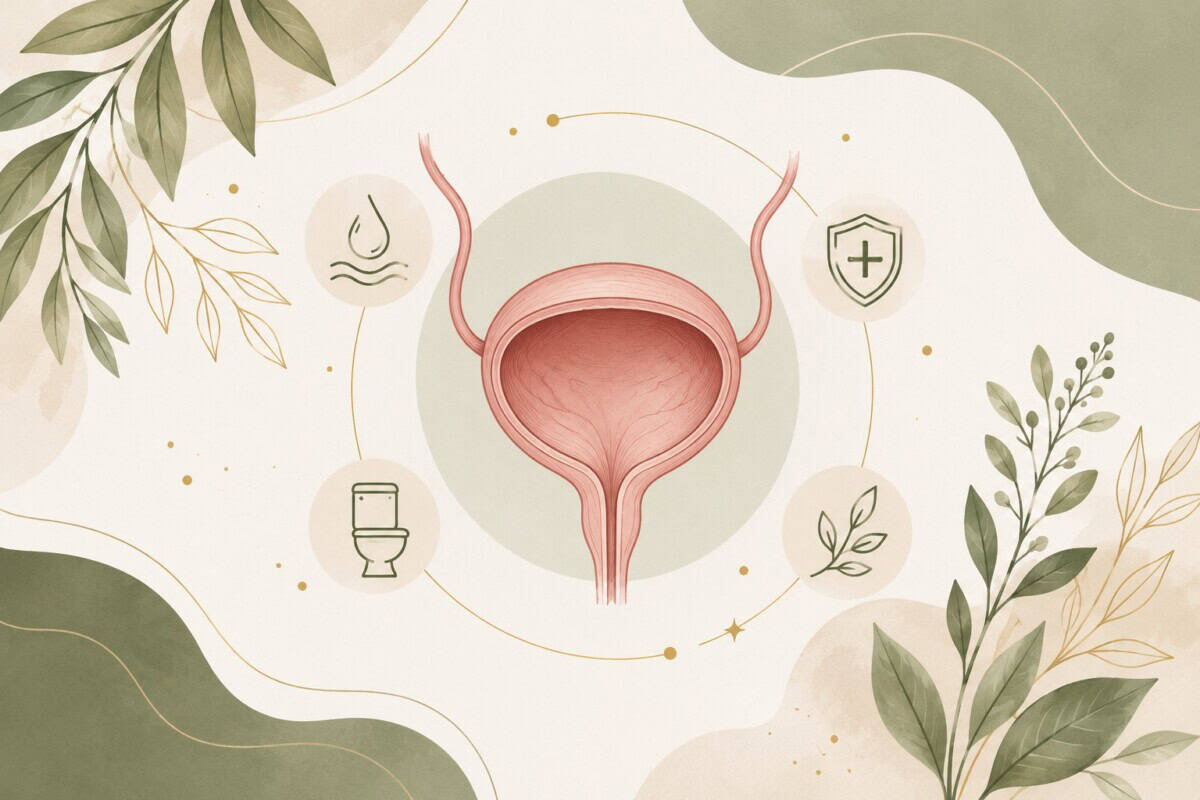
A burning feeling when you urinate. A sudden urge to go again just minutes after you last did. A dull ache low in your belly. Most women recognize these symptoms right away. UTIs are common and uncomfortable, and for some women, they seem to come back no matter how careful they are.
This is something women have brought up with me many times over the years, especially when the symptoms keep returning. Sometimes it really is another UTI, but sometimes similar symptoms can have another cause. Understanding what is actually behind them is the first step toward finding the right treatment and preventing the same problem from coming back.
Medical Disclaimer
This article is provided for general educational and informational purposes only and does not constitute medical advice, diagnosis, or treatment. While the content is written with input from a licensed healthcare professional, reading this article does not create a nurse-patient, provider-patient, or any other professional relationship between you and the author or Vida Atlas.
The information here is general in nature and is not a substitute for personalized medical advice from your own doctor or qualified healthcare provider, who can take your full medical history and individual circumstances into account. Always consult your doctor or another qualified healthcare provider with any questions you may have regarding a medical condition, and never disregard professional medical advice or delay seeking it because of something you read on this site.
If you think you may have a medical emergency, call your local emergency number or go to the nearest emergency room immediately. Do not rely on this article for urgent or emergency medical situations.
Vida Atlas and the author make no representations or warranties about the accuracy, completeness, or timeliness of the information provided, and disclaim liability for any actions taken or not taken based on the content of this article.
Quick Answer
A urinary tract infection, or UTI, is usually a bacterial infection of the bladder or another part of the urinary tract. It can cause a frequent or sudden urge to urinate, burning when you go, and cloudy or strong-smelling urine. Most UTIs are caused by bacteria that travel from the bowel to the urethra. Women get them much more often because the urethra is shorter and sits closer to the rectum.
What’s Actually Happening in Your Body?
Most UTIs start with bacteria that normally live in the bowel, especially E. coli. These bacteria can move from around the rectum toward the urethra and then travel up into the bladder. Once there, they can multiply and cause an infection.
Women are more likely to get UTIs because the urethra is much shorter than it is in men. The opening also sits close to the vagina and rectum, making it easier for bacteria to reach the urinary tract. This is one of the main reasons UTIs are so common in women.
What a UTI Usually Feels Like
Not every UTI feels exactly the same, but there are a few common signs to look for. Most infections stay in the bladder and are relatively mild. If the infection reaches the kidneys, the symptoms are usually more noticeable and need faster medical attention.
Bladder Infection Symptoms
A bladder infection is the most common type of UTI. It usually causes a burning when you urinate and the need to go more often, even when very little urine comes out. Your urine may look cloudy, smell stronger than usual, or sometimes contain blood. Some women also feel pressure or aching low in the pelvis.
When It Might Be a Kidney Infection
If bacteria travel up from the bladder and reach the kidneys, the symptoms usually become more intense. Fever, chills, nausea, vomiting, or pain in your side or back can be signs of a kidney infection. This is more serious and should be checked promptly rather than treated as a simple bladder infection.
How It’s Different From a Yeast Infection
Burning and irritation do not always mean you have a UTI. A yeast infection, for example, is more likely to cause itching, irritation around the vulva, and a thick discharge. Vaginal dryness and irritation can also cause burning or urinary discomfort, especially around and after menopause when estrogen levels fall.
That distinction matters because the symptoms can feel surprisingly similar, but the treatment is different. If symptoms keep returning or a urine test does not show an infection, it is worth looking for another cause rather than assuming it is another UTI.
Why Some Women Get UTIs More Often
Sexual Activity
Sex can move bacteria from the surrounding skin closer to the urethra, making it easier for them to reach the bladder. This is why some women notice that UTIs tend to appear after sex. If you see the same pattern repeatedly, it can be useful to mention it to your doctor.
Menopause and Lower Estrogen
Estrogen helps keep the tissues around the vagina and urethra healthy and also supports the normal vaginal bacteria that help protect against infection. As estrogen levels fall during menopause, these tissues can become thinner, drier, and more easily irritated. These changes can make UTIs more common.
Lower estrogen can also cause vaginal dryness, burning, irritation, and urinary urgency that sometimes feel very similar to a UTI even when there is no bacterial infection. This is one reason recurring “UTI” symptoms around or after menopause are worth discussing with a doctor rather than repeatedly treating them on your own.
Holding It Too Long or Not Drinking Enough
Regularly holding urine for long periods means you empty your bladder less often. Not drinking enough water can also mean fewer bathroom trips during the day. Neither habit automatically causes a UTI, but staying hydrated and urinating regularly may help your urinary system flush out bacteria.
Certain Birth Control Methods
Some birth control methods, particularly diaphragms and products containing spermicide, are linked to a higher risk of UTIs. If you get frequent infections and use one of these methods, it may be worth asking your doctor whether another option would make sense for you.
What Can Help Prevent Them
You cannot prevent every UTI, but a few simple habits may help lower the risk. If infections keep coming back, a doctor can also help you find a prevention plan based on what seems to trigger them.
- Drink enough water throughout the day and try not to regularly hold your urine for long periods.
- Urinating after sex is a simple habit you can try, especially if your UTIs tend to appear after sexual activity.
- Wipe from front to back after using the bathroom to reduce the chance of bringing bacteria toward the urethra.
- Avoid douches, scented sprays, and other irritating feminine products, which can irritate sensitive tissue and disturb the vaginal environment.
- If you are in or past menopause and get recurrent UTIs, ask your doctor whether vaginal estrogen may be appropriate for you. It can help restore the tissues affected by low estrogen and reduce the risk of recurrent infections.
- Cranberry products may help prevent recurrent UTIs in some women, although they do not treat an infection that is already present. They are an option to discuss with your doctor rather than something to rely on as a treatment.
No single habit will prevent every infection. What matters more is noticing your own pattern, whether UTIs tend to follow sex, become more frequent after menopause, or appear without an obvious trigger, and choosing prevention strategies that actually fit that pattern.
When to See a Doctor
Consider reaching out to a healthcare provider if:
- You have burning, urgency, frequent urination, or other symptoms that make you think you may have a UTI.
- You notice blood in your urine, especially if you are not sure it is related to an infection.
- You have had two UTIs within six months or three within a year. This is considered recurrent UTI and may need a closer look at possible triggers and prevention.
- You are pregnant and develop UTI symptoms. UTIs during pregnancy should be checked and treated promptly.
- Your symptoms keep coming back, but urine tests do not consistently show an infection. Another condition may be causing similar symptoms.
Seek medical care promptly if you develop fever, chills, nausea, vomiting, or pain in your side or back. These can be signs that the infection has reached the kidneys and needs more urgent treatment.
Conclusion
UTIs are common, and sometimes a few simple changes can help reduce how often they happen. But prevention works better when you understand your own pattern, whether symptoms tend to appear after sex, become more frequent around menopause, or keep returning without an obvious reason.
What I think is especially important is not to assume that every episode of burning or urgency is another UTI. If symptoms keep coming back, getting them properly checked can help separate a bacterial infection from other causes and find the right approach. My guide on when it’s worth seeing a gynecologist is a good next read if you’re dealing with recurrent infections or other symptoms alongside them.