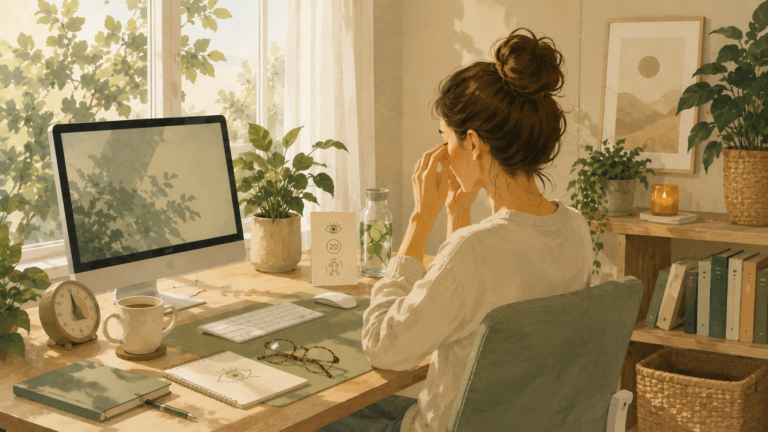
Everyday Products That Can Make Your Home Feel More Relaxing

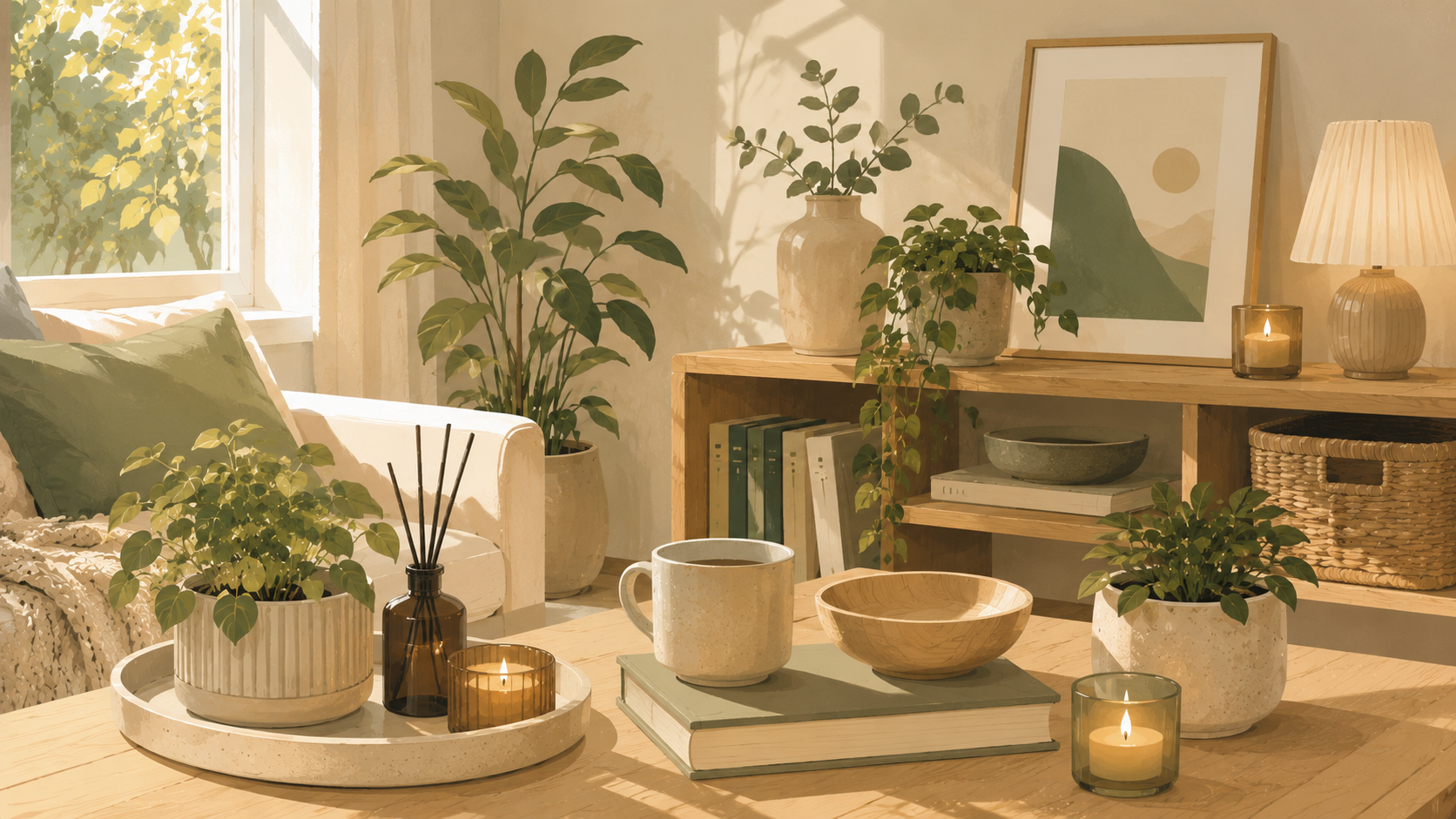
After a long day, most of us want to come home to a space that feels calm. But clutter, noise, and other distractions can make that difficult. Creating a more relaxing home doesn’t require a renovation or a big budget. Small details like lighting, scent, texture, and sound can make a noticeable difference.
A few thoughtful additions to your home can make a noticeable difference in how easily you unwind. In my own home, and with patients I’ve talked to about stress and sleep, this guide walks through simple habits and everyday products that can help turn your home into a space that actually feels restful.
Medical Disclaimer
This article is provided for general educational and informational purposes only and does not constitute medical advice, diagnosis, or treatment. While the content is written with input from a licensed healthcare professional, reading this article does not create a nurse-patient, provider-patient, or any other professional relationship between you and the author or Vida Atlas.
The information here is general in nature and is not a substitute for personalized medical advice from your own doctor or qualified healthcare provider, who can take your full medical history and individual circumstances into account. Always consult your doctor or another qualified healthcare provider with any questions you may have regarding a medical condition, and never disregard professional medical advice or delay seeking it because of something you read on this site.
If you think you may have a medical emergency, call your local emergency number or go to the nearest emergency room immediately. Do not rely on this article for urgent or emergency medical situations.
Vida Atlas and the author make no representations or warranties about the accuracy, completeness, or timeliness of the information provided, and disclaim liability for any actions taken or not taken based on the content of this article.
Key Takeaways
- A calming home is shaped by small sensory details like light, scent, and sound.
- Clutter and harsh lighting are two of the biggest obstacles to feeling relaxed at home.
- Simple daily habits can make a space feel calmer without any spending at all.
- A few well-chosen products can support relaxation, but they work best alongside good habits.
- Start with one room or one habit, and let the changes build gradually.
Why Your Home Environment Can Make a Big Difference?
Your surroundings send constant signals to your brain about whether it’s safe to relax. Bright overhead lighting, cluttered counters, and background noise can all keep your nervous system a little more alert, even if you don’t notice it consciously.
On the other hand, softer lighting, pleasant scents, and a tidy, organized space tend to signal that it’s time to slow down. This is part of why a hotel room or a spa can feel instantly calming, even though nothing dramatic is different about the room itself.
You don’t need a spa-level transformation at home. In my own experience, small, consistent changes to how your space looks, smells, and feels can add up to a home that genuinely helps you unwind at the end of the day.
1. Dim the Lights in the Evening
Bright overhead lighting can keep your mind feeling alert well into the evening. Switching to softer, warmer lighting a few hours before bed helps signal to your body that it’s time to start winding down.
2. Clear One Surface Each Day
Clutter can make a space feel busier than it actually is. Clearing just one surface, a counter, nightstand, or coffee table, each day is a small habit that keeps visual clutter from building up over time.
3. Add a Calming Scent to One Room
Scent has a strong connection to mood and memory. Choosing one calming scent, like lavender or eucalyptus, for a specific room can help your brain start to associate that space with relaxation.
4. Create a Wind-Down Routine
A short, consistent routine before bed, dimming lights, putting away devices, or reading for a few minutes, helps your body recognize that the day is winding down.
5. Reduce Background Noise
Constant background noise, whether it’s traffic, appliances, or a busy household, can keep your nervous system slightly on edge. A source of gentle, steady sound can help mask sharper noises and make a room feel more peaceful.
6. Bring in Something Living
Adding greenery to a room can make it feel more grounded and calm. Even a single easy-care plant on a windowsill or shelf can soften a space and give it a more natural feel.
7. Layer in Soft Textures
A soft throw blanket, a cushioned chair, or a cozy rug can make a room feel more inviting simply by how it feels to touch. Comfort isn’t just visual, it’s physical too.
8. Keep One Room Screen-Free
Designating one room, or even one corner, as a screen-free space gives you somewhere to fully disconnect. Over time, that space can become your default spot to relax without the pull of notifications.
9. Control the Air in Your Space
Air that’s too dry or too stuffy can make a room feel uncomfortable without you quite knowing why. Paying attention to humidity and airflow is a small detail that has a real effect on comfort.
10. Give Every Item a Home
A space feels calmer when everything has a designated spot. Even a few simple storage baskets or trays can keep everyday items from piling up on visible surfaces.
Products That Can Make Your Home Feel More Relaxing
You don’t need to redesign your entire home to make it feel calmer. A handful of thoughtful products can support the senses that matter most, touch, scent, light, and air, and help a room feel more restful.
As always, the goal isn’t to fill every room with new items. Choose one or two that address what your space is actually missing, whether that’s better lighting, a calming scent, or simply a more comfortable place to sit.
Weighted Blankets
A weighted blanket applies gentle, even pressure that many people find calming, especially in the evening or while winding down for bed. When choosing one, look for a weight that feels comfortable rather than restrictive, generally around ten percent of your body weight, and a breathable fabric if you tend to sleep warm.
Essential Oil Diffusers
A diffuser can fill a room with a calming scent without the open flame of a candle, making it a good option for bedrooms or spaces where you want a consistent, gentle aroma. Look for one that’s quiet enough to run while you sleep and easy to clean, so it doesn’t become another chore to maintain.
Candles
A candle can add both scent and soft, warm light to a room, which makes it a simple way to shift the mood of a space in the evening. Choosing a scent you genuinely enjoy matters more than picking the most popular option.
The right candle is the one that actually makes you want to slow down when you light it.
Humidifiers
A humidifier can make a noticeable difference in rooms that feel dry or stuffy, especially during colder months when indoor heating tends to dry out the air. A quiet model with an easy-to-fill tank is usually the most practical choice, particularly for a bedroom where noise can interfere with sleep.
Indoor Plants
Indoor plants add life and softness to a room, and caring for them can even become a small, grounding ritual of its own. If you’re new to plant care, look for low-maintenance options that tolerate a range of light and watering schedules, so the plant adds calm to your space instead of one more thing to worry about.
Common Mistakes to Avoid
Trying to Redesign Every Room at Once
It’s tempting to want to transform your whole home in one weekend, but that usually leads to half-finished projects and added stress. Focus on one room, or even one corner, first, since a single calming space is more valuable than several rooms that never quite get finished.
Buying Products Without Addressing Clutter First
A new diffuser or candle won’t do much for a room that’s still covered in clutter. Clearing the space first makes any calming additions you bring in actually noticeable, instead of getting lost in the mess.
Ignoring Lighting
Many people focus on scent or decor while leaving harsh, bright overhead lighting untouched. Lighting has one of the biggest effects on how calm a room feels, though, so it’s worth addressing early rather than as an afterthought.
Choosing Scents or Sounds That Don’t Actually Relax You
Just because a scent or sound is marketed as calming doesn’t mean it will feel that way to you personally, so pay attention to what genuinely helps you relax, rather than choosing based on what’s popular or trending.
Try This This Week
Instead of overhauling your entire home, choose just one change to focus on this week. You could:
- Clear one cluttered surface and keep it that way for the week.
- Switch your evening lighting to something softer and warmer.
- Add a calming scent to the room where you relax most.
- Spend fifteen minutes each evening in a screen-free space.
- Add one soft, comforting texture, like a throw blanket, to your favorite room.
At the end of the week, ask yourself one simple question:
Does my home feel a little easier to relax in?
If the answer is yes, you’ve found a habit worth keeping.
FAQ:
Small sensory details make the biggest difference, including soft lighting, calming scents, comfortable textures, and a clutter-free space. Together, these signal to your brain that it’s safe to slow down.
Many people find certain scents, like lavender, genuinely calming. Diffusers offer a gentle, flame-free way to add scent to a room, though the effect can vary from person to person.
Most people find them comfortable, but it’s best to choose a weight that feels calming rather than restrictive. If you have certain health conditions, it’s worth checking with a doctor first.
More than most people expect. Visual clutter can keep your mind feeling busy, even subconsciously, which makes it harder to fully unwind in a space.
Not necessarily. Most people benefit most from running one in the room they spend the most time in, especially the bedroom, rather than needing one in every space.
Final Thoughts
A relaxing home isn’t about having the perfect decor or the newest products. It’s about creating a space that helps your mind and body feel safe enough to slow down. Small, consistent changes, softer lighting, a calming scent, a little less clutter, add up over time.
You may not notice the shift all at once, but you’ll likely find yourself looking forward to coming home a little more. In my own experience, start with the room you spend the most time in, and let the rest of your home follow at its own pace.